Superior Corrosion Resistance and Chemical Stability
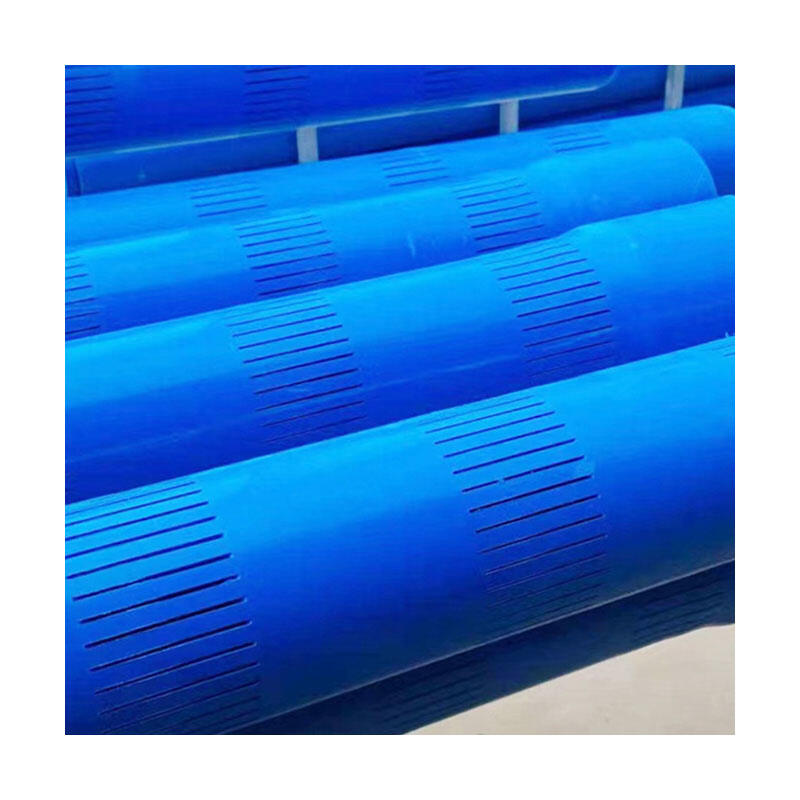
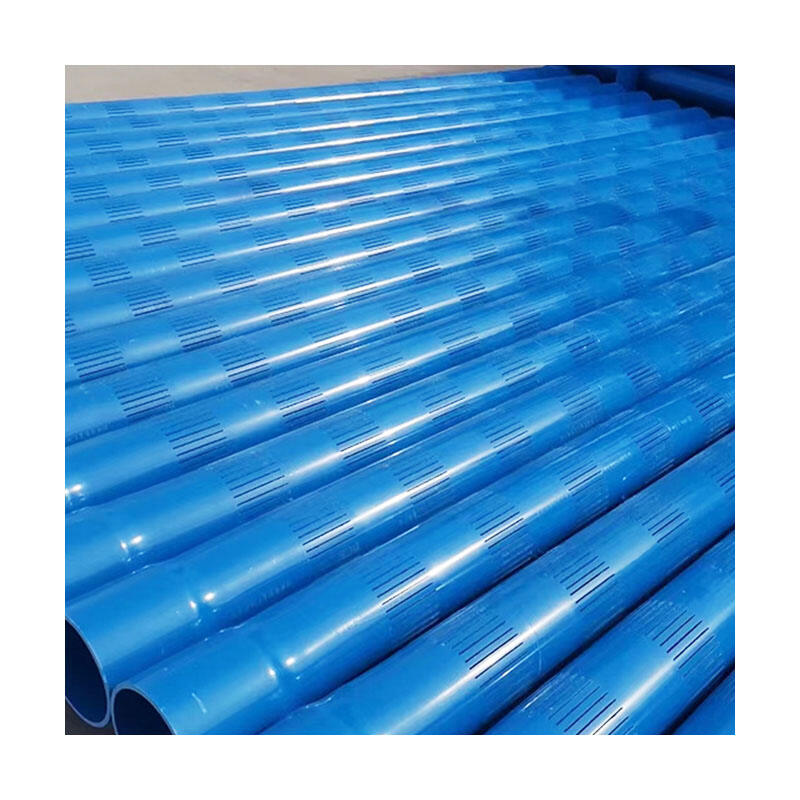
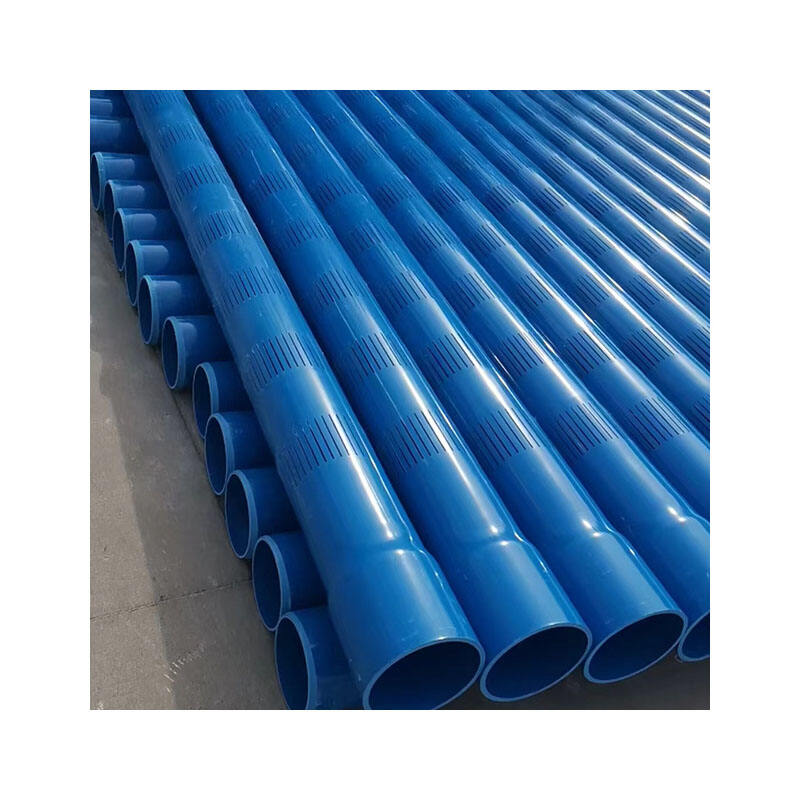
The slotted pvc casing pipe demonstrates exceptional resistance to corrosion and chemical attack, providing customers with a reliable long-term solution that outperforms traditional materials in challenging environments. Unlike steel casings that succumb to rust and deterioration within years of installation, the slotted pvc casing pipe maintains structural integrity for decades without protective coatings or specialized treatments. This remarkable durability stems from the inherent properties of polyvinyl chloride, which resists acidic groundwater, sulfates, chlorides, and other corrosive substances commonly found in subsurface environments. Customers operating in coastal regions particularly benefit from this resistance, as saltwater intrusion cannot damage the slotted pvc casing pipe through galvanic corrosion processes that destroy metal alternatives. The chemical stability extends to industrial applications where groundwater contamination includes petroleum products, solvents, and other aggressive chemicals that would rapidly compromise steel casings. Laboratory testing confirms that the slotted pvc casing pipe maintains its mechanical properties even after prolonged exposure to concentrated chemical solutions, ensuring consistent performance throughout its service life. This resistance translates directly to reduced maintenance costs, as customers avoid expensive rehabilitation procedures, coating replacements, and premature casing failures that plague metal systems. The smooth surface finish resists biofilm formation and mineral scaling, maintaining optimal hydraulic characteristics over time. Environmental compliance becomes simplified as the slotted pvc casing pipe does not introduce metallic contaminants into groundwater supplies, supporting water quality objectives for potable applications. Field experience demonstrates that wells equipped with slotted pvc casing pipe continue operating efficiently decades after installation, while nearby steel-cased wells require costly interventions or complete replacement. The chemical inertness eliminates concerns about taste and odor issues that sometimes affect water supplies from metal casings, particularly important for municipal and industrial applications where water quality standards must be maintained consistently.