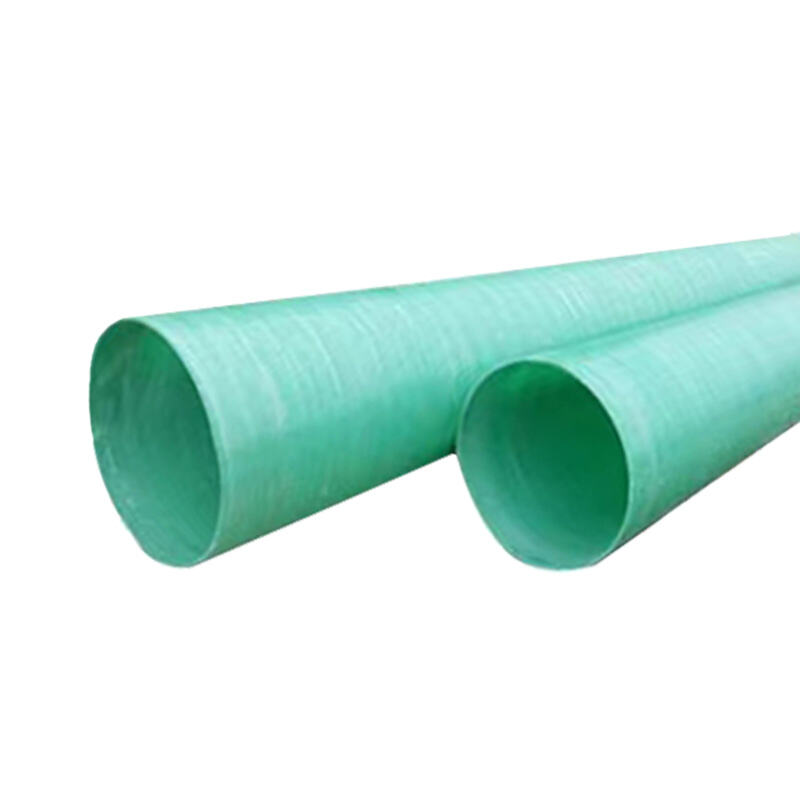
Superior Durability and Chemical Resistance
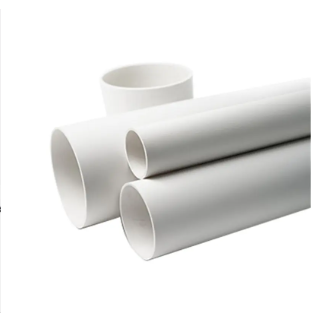
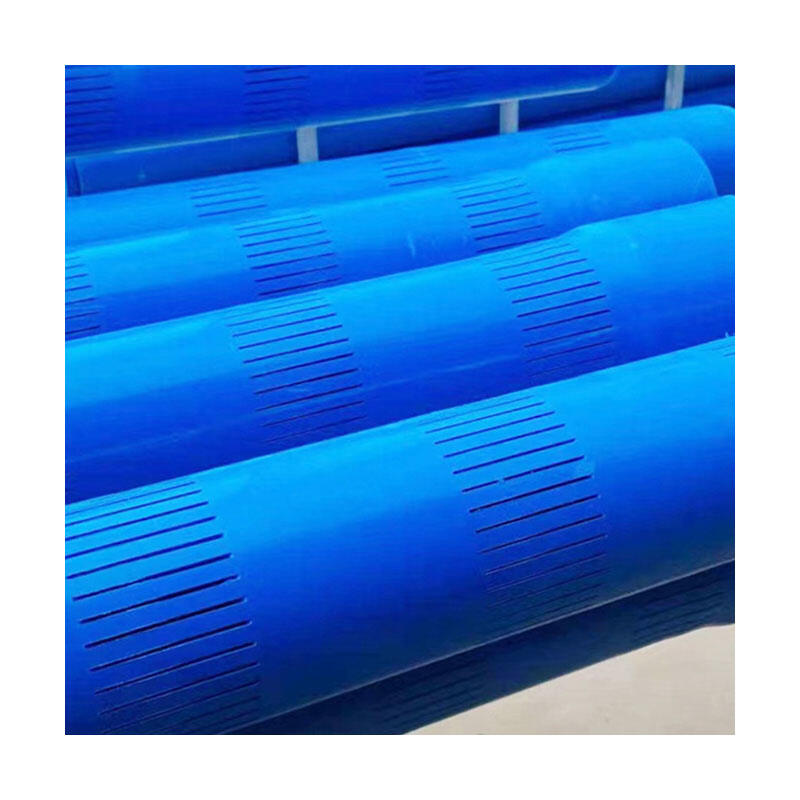
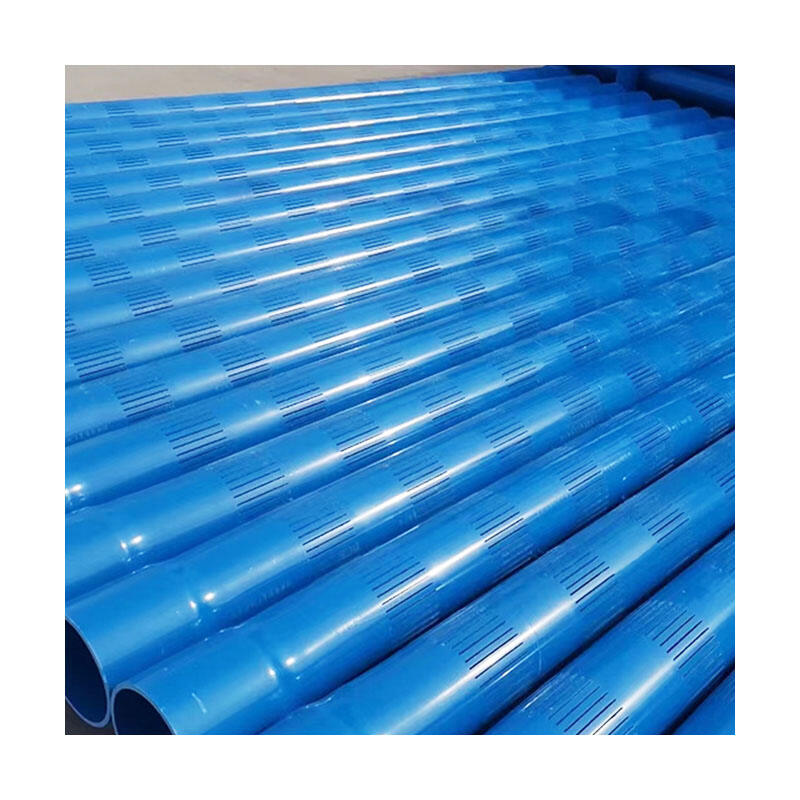
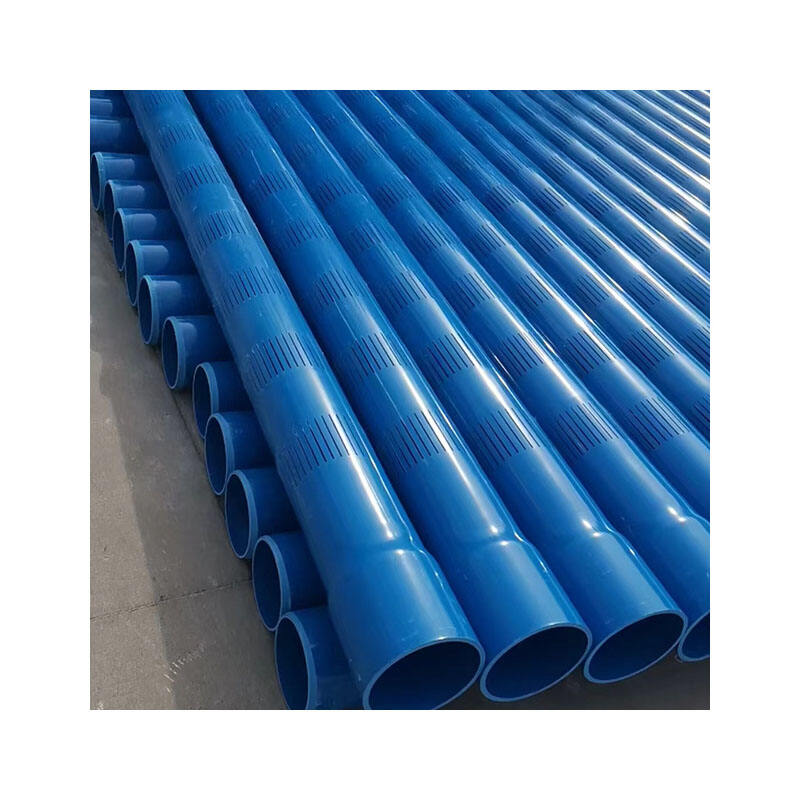
The exceptional durability of slotted PVC well casing pipe stems from its advanced polymer composition that withstands harsh underground conditions for extended periods. Unlike traditional metal casing materials that succumb to galvanic corrosion, electrochemical reactions, and oxidation processes, slotted PVC well casing pipe maintains its structural integrity regardless of soil chemistry or groundwater mineral content. This chemical resistance proves particularly valuable in areas with acidic soils, high salt concentrations, or industrial contamination where metal pipes would deteriorate rapidly. The molecular structure of PVC provides inherent resistance to sulfates, chlorides, and other aggressive compounds commonly found in groundwater environments. Property owners investing in slotted PVC well casing pipe can expect service lives extending 50 years or more under normal operating conditions, compared to 15-25 years typically achieved with steel alternatives. This longevity translates into substantial cost savings over time, eliminating the expense and disruption associated with premature casing failures and replacement projects. The chemical stability of slotted PVC well casing pipe also ensures that water quality remains consistent throughout the system's operational lifetime, as no metallic ions or corrosion byproducts can contaminate the water supply. Environmental testing confirms that PVC materials do not release harmful substances into groundwater, making slotted PVC well casing pipe an environmentally responsible choice for sustainable water resource management. The resistance to biological attack represents another durability advantage, as the smooth PVC surface discourages bacterial growth and biofilm formation that can compromise water quality and reduce flow capacity in metal systems. Temperature cycling, freeze-thaw conditions, and seasonal ground movement have minimal impact on properly installed slotted PVC well casing pipe, maintaining consistent performance across diverse climate conditions. This reliability factor becomes especially important for remote installations where access for maintenance or repairs presents significant challenges and expenses.