pvc flexible pipe
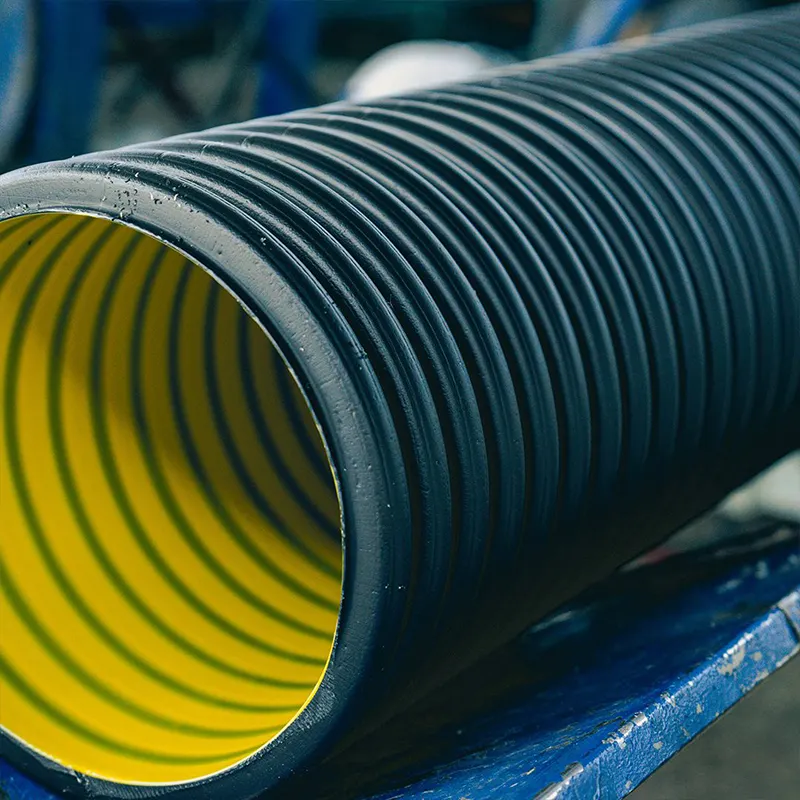
PVC flexible pipe represents a revolutionary advancement in piping solutions, combining the durability of polyvinyl chloride with exceptional flexibility for diverse applications. This innovative piping system features a unique construction that allows it to bend and curve while maintaining structural integrity, making it ideal for installations where rigid pipes would prove impractical or impossible. The pvc flexible pipe utilizes advanced manufacturing techniques that create a seamless balance between flexibility and strength, ensuring reliable performance across various environmental conditions. The technological foundation of pvc flexible pipe lies in its specialized polymer composition, which undergoes controlled processing to achieve optimal flexibility without compromising chemical resistance. This sophisticated material engineering enables the pipe to withstand temperature fluctuations, chemical exposure, and mechanical stress while maintaining its flexible characteristics. The manufacturing process incorporates precise extrusion techniques that create consistent wall thickness and uniform flexibility throughout the entire length of the pvc flexible pipe. The main functions of pvc flexible pipe encompass fluid transportation, drainage systems, ventilation applications, and protective conduit installations. These pipes excel in situations requiring navigation around obstacles, through confined spaces, or along curved pathways where traditional rigid piping would require multiple fittings and joints. The flexibility inherent in pvc flexible pipe reduces installation complexity while minimizing potential leak points, creating a more reliable and efficient piping system. Applications for pvc flexible pipe span across residential, commercial, industrial, and agricultural sectors. In residential settings, these pipes serve plumbing repairs, pool installations, and landscape irrigation systems. Commercial applications include HVAC systems, building drainage, and equipment connections. Industrial uses encompass chemical processing, manufacturing equipment connections, and waste management systems, while agricultural applications focus on irrigation, drainage, and livestock watering systems.