



How Does Dredging Pipeline Perform in Long-Distance Slurry Transport?
Long-distance slurry transport in marine and coastal environments presents unique engineering challenges that demand robust, reliable infrastructure. The dredging pipeline serves as the critical conduit for moving massive volumes of sediment-laden slurries across extended distances, often spanning several kilometers from the excavation site to the discharge location. Understanding how these specialized pipelines perform under demanding operational conditions is essential for project engineers, dredging contractors, and marine construction planners who must balance efficiency, durability, and cost-effectiveness in their infrastructure decisions.
The performance of a dredging pipeline in long-distance applications depends on multiple interdependent factors including material composition, hydraulic design principles, particle behavior within the flow stream, and the pipeline's ability to withstand continuous mechanical stress. Modern dredging pipeline systems leverage advanced materials science and fluid dynamics engineering to maintain consistent flow rates, minimize pressure losses, and resist the abrasive forces generated by sand, gravel, and other particulate matter suspended in the transport medium. This article examines the specific mechanisms through which dredging pipelines achieve effective long-distance slurry transport and identifies the key performance parameters that determine operational success in real-world marine environments.
Hydraulic Performance Characteristics in Extended Transport Systems
Pressure Loss Dynamics Across Long Pipeline Sections
The fundamental challenge in long-distance slurry transport through a dredging pipeline involves managing pressure loss as the slurry mixture travels from the pumping station to the final discharge point. Unlike clean water systems, slurry transport generates significantly higher friction losses due to the presence of solid particles that interact with both the pipeline walls and the carrier fluid. The pressure gradient along the dredging pipeline increases proportionally with transport distance, requiring careful calculation of pump power requirements and strategic placement of booster stations for projects exceeding five to ten kilometers in length.
Hydraulic engineers must account for the non-Newtonian behavior of many slurry mixtures, where viscosity changes with flow velocity and shear rate. The dredging pipeline must maintain flow velocities above the critical deposition velocity to prevent particle settling, which can lead to pipeline blockages and operational shutdowns. This minimum velocity threshold varies depending on particle size distribution, slurry concentration, and the specific gravity of the transported material. For typical marine dredging operations involving sand and silt mixtures, flow velocities between two and five meters per second are commonly maintained throughout the dredging pipeline system.
Flow Regime Stability and Turbulence Management
Maintaining stable flow regimes throughout the entire length of the dredging pipeline directly impacts transport efficiency and energy consumption. Turbulent flow conditions help keep particles suspended in the carrier fluid, preventing stratification and ensuring uniform slurry distribution across the pipeline cross-section. The Reynolds number for slurry flows typically exceeds 100,000 in operational dredging pipeline systems, placing them firmly within the turbulent flow regime where particle suspension is naturally maintained through eddy diffusion and turbulent mixing.
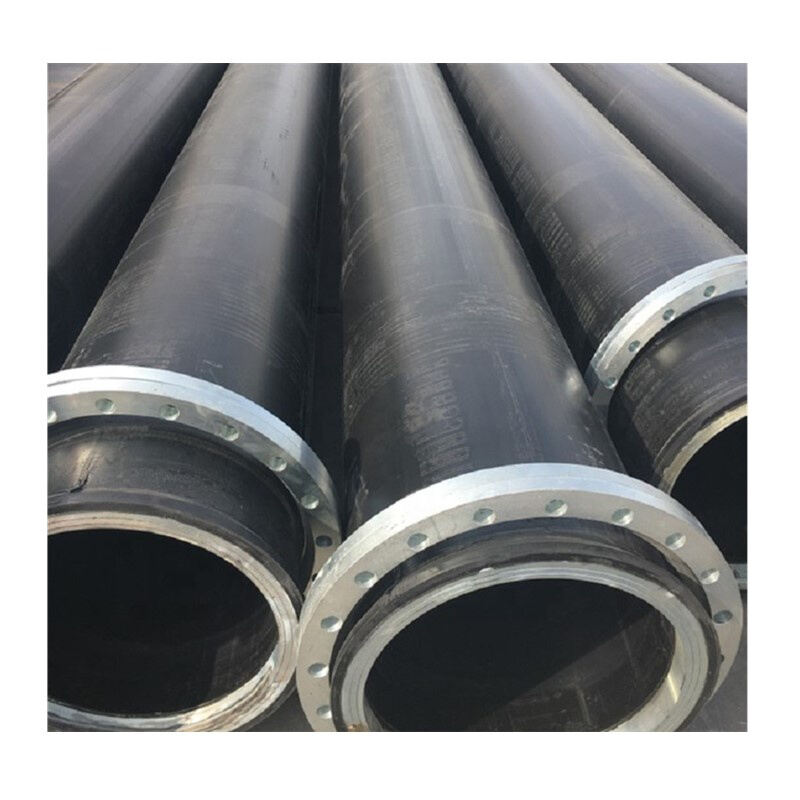
However, excessive turbulence also increases energy dissipation and accelerates wear on the dredging pipeline interior surfaces. Engineers must balance these competing factors by optimizing flow velocity, pipeline diameter, and slurry concentration to achieve an efficient operating window. Modern dredging pipeline designs incorporate smooth interior surfaces that reduce turbulence-induced friction while maintaining sufficient flow energy to prevent particle settling. The transition zones between different pipeline sections require particular attention, as abrupt changes in diameter or direction can create localized turbulence that increases wear rates and pressure losses.
Slurry Concentration Effects on Transport Capacity
The volumetric concentration of solids within the slurry mixture profoundly influences how the dredging pipeline performs over extended distances. Higher solids concentrations increase the productive capacity of each cubic meter of slurry transported, improving project economics by reducing the total volume that must be pumped. However, elevated concentrations also increase mixture density and viscosity, resulting in higher pressure losses and greater power requirements for the pumping system supporting the dredging pipeline.
Most operational dredging pipeline systems transport slurries with solids concentrations ranging from fifteen to thirty-five percent by volume, depending on the material characteristics and project requirements. Fine-grained materials like clay and silt can be transported at higher concentrations than coarse sand or gravel, which require more carrier fluid to maintain suspension. The dredging pipeline must accommodate occasional concentration variations that occur naturally during excavation operations, maintaining stable transport performance even when slurry density fluctuates within the design range. Advanced monitoring systems continuously measure slurry density and flow rate, enabling real-time adjustments to pumping parameters that optimize dredging pipeline performance throughout each operational shift.
Material Properties and Structural Integrity in Long-Term Operations
Abrasion Resistance and Interior Surface Durability
The interior surfaces of a dredging pipeline endure constant bombardment from abrasive particles suspended in the flowing slurry. This mechanical wear mechanism represents one of the primary factors limiting operational lifespan and necessitating periodic maintenance or replacement. High-density polyethylene materials used in modern dredging pipeline construction exhibit superior abrasion resistance compared to traditional steel alternatives, with molecular structure that absorbs impact energy and resists surface degradation from particle collisions.
The wear rate along a dredging pipeline varies with position, with higher wear occurring at bends, elevation changes, and zones where flow turbulence intensifies. Laboratory testing and field observations indicate that properly specified polymer-based dredging pipeline materials can sustain operational lifespans exceeding ten to fifteen years in continuous service transporting medium-abrasive slurries. The molecular weight distribution and crystallinity of the polymer matrix directly influence abrasion resistance, with higher molecular weight grades providing enhanced durability at the cost of increased material expense and reduced flexibility during installation.
Flexibility and Installation Advantages in Complex Routing
Long-distance dredging pipeline installations frequently encounter complex routing requirements that traverse varied seafloor topography, navigate around obstacles, and accommodate tidal variations in marine environments. The inherent flexibility of modern polymer-based dredging pipeline materials enables installation configurations that would be impractical or impossible with rigid steel pipe systems. This flexibility reduces the number of mechanical joints required along the pipeline route, minimizing potential leak points and simplifying the overall system architecture.
The ability of a dredging pipeline to conform to seabed contours without requiring extensive support structures reduces installation costs and accelerates project timelines. Flexible pipeline sections can accommodate moderate deflections and settlements that occur naturally in soft marine sediments, maintaining structural integrity without developing stress concentrations that lead to failure. This adaptive characteristic proves particularly valuable in long-distance applications where the dredging pipeline may span distances exceeding five kilometers and encounter significant variations in substrate conditions along the transport corridor.
Buoyancy Control and Anchoring Systems
Managing the buoyancy characteristics of a submerged dredging pipeline represents a critical aspect of long-distance installation design. The pipeline must remain positioned on or near the seafloor throughout its operational life, resisting hydrodynamic forces from currents and waves that could lift sections off the bottom or cause lateral displacement. The specific gravity of the dredging pipeline material, combined with the density of the slurry flowing through it, determines whether the system exhibits positive, neutral, or negative buoyancy under operational conditions.
Most long-distance dredging pipeline installations incorporate anchoring systems at regular intervals to prevent movement during operation and shutdown periods. These anchoring systems may include weighted concrete saddles, driven piles, or screw anchors that penetrate the seabed and provide restraint against both vertical and horizontal forces. The dredging pipeline design must account for thermal expansion and contraction cycles, particularly in installations that experience significant temperature variations between operational and idle states. Proper anchor spacing and allowance for controlled movement prevent the development of excessive tensile or compressive stresses that could compromise pipeline integrity over extended service periods.
Pumping System Integration and Energy Efficiency Considerations
Matching Pump Characteristics to Pipeline Hydraulics
The performance of a dredging pipeline cannot be separated from the characteristics of the pumping system that generates the flow and pressure necessary for slurry transport. Centrifugal dredge pumps must be carefully matched to the hydraulic resistance curve of the dredging pipeline, ensuring that the pump operates within its optimal efficiency range while delivering the required flow rate and discharge pressure. This matching process becomes more complex in long-distance applications where the system curve exhibits a steeper slope due to accumulated friction losses.
Multi-stage pumping configurations become necessary when the total dynamic head required for a dredging pipeline exceeds the capacity of a single pump unit. Booster pump stations positioned at strategic intervals along the pipeline route restore pressure that has been dissipated by friction, enabling transport distances that extend beyond the practical limits of single-pump systems. Each booster station adds complexity to the overall system architecture but enables the dredging pipeline to serve projects spanning twenty kilometers or more, opening opportunities for disposal sites or reclamation areas that would otherwise be inaccessible.
Variable Frequency Drives and Operational Flexibility
Modern dredging pipeline systems increasingly incorporate variable frequency drive technology that enables precise control of pump speed and, consequently, flow rate through the pipeline. This control capability provides operational flexibility that optimizes energy consumption across varying site conditions and material characteristics. When excavating materials with different particle sizes or encountering zones with varying slurry concentrations, operators can adjust pump speed to maintain optimal velocity within the dredging pipeline without stopping and restarting equipment.
Variable speed operation also extends the operational envelope of the dredging pipeline by allowing reduced flow rates during startup and shutdown sequences, minimizing hydraulic transients that could damage pipeline components or cause particle settling. Energy consumption typically decreases by fifteen to thirty percent when pump speeds are reduced during periods when full production rates are not required. This efficiency improvement directly impacts project economics for long-distance dredging pipeline installations where pumping costs represent a substantial portion of total operational expenses.
Monitoring Systems and Performance Optimization
Effective long-distance operation of a dredging pipeline requires continuous monitoring of critical performance parameters including flow rate, discharge pressure at multiple points, slurry density, and pump power consumption. Advanced telemetry systems transmit real-time data from sensors distributed along the pipeline route to central control stations where operators can assess system performance and detect developing problems before they result in operational disruptions. Pressure sensors positioned at regular intervals reveal the friction loss gradient along the dredging pipeline, enabling operators to identify zones where excessive wear or partial blockages may be developing.
Predictive maintenance algorithms analyze historical performance data to forecast when specific dredging pipeline sections or pump components will require inspection or replacement. This proactive approach minimizes unplanned downtime and optimizes maintenance scheduling to coincide with natural operational breaks such as shift changes or planned standby periods. The economic benefit of comprehensive monitoring becomes more pronounced in long-distance dredging pipeline installations where even brief interruptions can significantly impact overall project productivity and delay critical milestone achievements.
Environmental Factors and Operational Challenges
Thermal Effects on Pipeline Performance
Temperature variations in the operating environment affect the performance characteristics of a dredging pipeline through multiple mechanisms. Polymer-based pipeline materials exhibit temperature-dependent mechanical properties, with stiffness and strength decreasing as temperature rises. In tropical marine environments where water temperatures may exceed thirty degrees Celsius, the dredging pipeline experiences reduced pressure ratings compared to installations in temperate or cold regions. This temperature sensitivity must be incorporated into design calculations to ensure adequate safety margins throughout the anticipated service life.
Conversely, the slurry mixture itself undergoes rheological changes with temperature that influence flow behavior within the dredging pipeline. Warmer slurries typically exhibit lower viscosity, reducing friction losses and enabling slightly higher transport velocities for the same pumping power. However, these beneficial effects are partially offset by the reduced mechanical strength of the pipeline material at elevated temperatures. Long-distance dredging pipeline installations that traverse both submerged and exposed sections experience thermal gradients that create differential expansion and contraction, requiring careful attention to joint design and anchoring systems that accommodate these movements without developing excessive stresses.
Marine Growth and Long-Term Maintenance Requirements
Submerged sections of a dredging pipeline gradually accumulate marine growth on exterior surfaces, including algae, barnacles, and other fouling organisms that increase hydrodynamic drag and complicate inspection activities. While exterior fouling does not directly impact the internal flow performance of the dredging pipeline, it affects the system's interaction with ambient currents and waves, potentially altering anchoring requirements over time. Regular inspection protocols incorporate provisions for documenting the extent of marine growth and assessing whether additional anchoring or support is needed to maintain proper pipeline positioning.
The interior surfaces of a dredging pipeline generally remain free from biological fouling due to the continuous flow of abrasive slurry that scours away any organisms attempting to attach to the pipe walls. However, extended shutdown periods during which stagnant water remains in the pipeline can permit limited biological activity that must be flushed before resuming normal operations. Maintenance protocols for long-distance dredging pipeline systems include procedures for periodic flushing with clean water or chemical treatments that prevent the accumulation of deposits or biological films that could restrict flow capacity or increase friction losses when slurry transport operations resume.
Storm Events and System Resilience
Long-distance dredging pipeline installations in exposed marine environments must withstand occasional severe weather events including tropical storms, hurricanes, or winter storm systems that generate extreme waves and currents. The design of the dredging pipeline system incorporates safety factors that account for these extreme loading conditions, ensuring that anchoring systems and pipeline structural capacity can survive design-level storm events without catastrophic failure. In regions with frequent severe weather, operators may implement shutdown procedures that include draining sections of the dredging pipeline to reduce hydrodynamic loads during peak storm conditions.
Post-storm inspection protocols verify that the dredging pipeline remains properly positioned and that anchoring systems have not been compromised by hydrodynamic forces or debris impacts. Modern pipeline materials exhibit excellent damage tolerance, with localized impacts typically causing minor surface deformation rather than through-wall penetration or catastrophic rupture. This resilience enables the dredging pipeline to return to service quickly following weather interruptions, minimizing project delays and maintaining schedule adherence for time-sensitive marine construction projects that depend on continuous sediment transport capacity.
Economic Performance Metrics and Project Planning Considerations
Capital Cost Structure for Long-Distance Installations
The economic viability of a long-distance dredging pipeline depends on careful analysis of capital costs, operational expenses, and project-specific productivity requirements. Pipeline material represents a significant capital investment, with costs varying based on diameter, pressure rating, material specification, and the total length required for the installation. For projects requiring transport distances exceeding ten kilometers, the dredging pipeline cost typically constitutes fifteen to twenty-five percent of total project capital expenditure, making material selection and system optimization critical factors in overall project economics.
Installation costs for the dredging pipeline include marine construction activities such as pipe laying from specialized barges, positioning and anchoring work, connection of pipeline sections using fusion welding or mechanical coupling systems, and commissioning activities that verify system integrity before operational startup. These installation costs scale somewhat linearly with distance, though economies of scale emerge in longer installations where mobilization costs are amortized over greater pipeline lengths. Project planners must balance the capital cost advantages of larger diameter dredging pipeline systems, which reduce pumping power requirements, against the higher material and installation costs that accompany increased pipe size.
Operational Cost Drivers and Efficiency Metrics
Operating a long-distance dredging pipeline generates recurring costs primarily associated with electrical power consumption for pumping systems, routine maintenance activities, and periodic replacement of wear components including pump impellers and pipeline sections exposed to the highest abrasion rates. Electrical costs typically represent the largest operational expense, accounting for forty to sixty percent of total operating costs in most dredging projects utilizing pipeline transport systems. The specific energy consumption per cubic meter of slurry transported serves as a key performance metric that enables comparison between different system configurations and operating strategies.
Maintenance costs for the dredging pipeline itself remain relatively modest during the early years of operation but increase gradually as wear accumulates and more frequent inspections become necessary to ensure continued safe operation. Operators typically establish inspection intervals based on estimated wear rates, slurry characteristics, and total operating hours. A well-designed dredging pipeline system constructed from appropriate materials and operated within design parameters should require minimal repair interventions during the first five to seven years of service, with major component replacement becoming necessary after ten to fifteen years depending on operating intensity and slurry abrasiveness.
Production Capacity and Project Timeline Impact
The throughput capacity of a dredging pipeline directly influences project duration and overall economics for marine construction and land reclamation projects. Pipeline diameter, slurry concentration, and flow velocity combine to determine the volumetric production rate measured in cubic meters per hour of in-situ material excavated and transported. A properly designed long-distance dredging pipeline system for large-scale projects typically achieves production rates ranging from two thousand to eight thousand cubic meters per hour, enabling the movement of massive material volumes required for port development, beach nourishment, and land creation initiatives.
Project timelines contract significantly when higher capacity dredging pipeline systems enable faster material movement, reducing the duration of marine construction activities and associated indirect costs including equipment rental, labor, and marine spread mobilization. However, the relationship between pipeline capacity and project duration is not strictly linear, as excavation rates, weather delays, and disposal site preparation activities also constrain overall productivity. Experienced project planners integrate dredging pipeline capacity with these other limiting factors to develop realistic schedules that account for the full range of constraints affecting long-distance slurry transport operations in complex marine environments.
FAQ
What is the maximum practical distance for a single dredging pipeline without booster pumps?
The maximum practical distance for a single-pump dredging pipeline system typically ranges from five to ten kilometers, depending on pipeline diameter, slurry characteristics, and acceptable pressure ratings for the pipeline material. Beyond these distances, pressure losses become excessive and require either impractically large pump installations or the addition of intermediate booster pump stations to maintain adequate flow conditions throughout the system.
How does particle size in the slurry affect dredging pipeline performance over long distances?
Larger particles require higher flow velocities to maintain suspension within the dredging pipeline, increasing energy consumption and pressure losses over long transport distances. Fine particles create more viscous slurry mixtures that also increase friction losses but can be transported at lower velocities without settling. Most long-distance dredging pipeline systems are optimized for sand-sized particles ranging from 0.1 to 2.0 millimeters in diameter, which represent the most common material in marine dredging applications.
What maintenance activities are required for long-distance dredging pipeline installations?
Routine maintenance for dredging pipeline systems includes periodic internal inspections using smart pigs or camera systems to assess wear patterns, verification of anchoring system integrity, testing of pressure relief valves and safety systems, and replacement of wear-prone components such as bend sections and pump impellers. Most installations establish inspection intervals of six to twelve months during active operation, with more frequent monitoring in zones known to experience higher wear rates or exposure to external forces.
Can a dredging pipeline handle variations in slurry concentration during operation?
Modern dredging pipeline systems accommodate moderate variations in slurry concentration through adjustments in pump speed and monitoring of flow characteristics. Most systems can operate effectively across concentration ranges spanning ten to fifteen percentage points, such as maintaining stable transport with concentrations varying between twenty and thirty-five percent solids by volume. More extreme concentration changes may require operational adjustments or temporary flow reductions to prevent pipeline blockages or excessive pressure surges that could damage system components.