Advanced Aquaculture Cage Systems - Sustainable Marine Fish Farming Solutions

Get a Free Quote

Our representative will contact you soon.
Email
Mobile
Name
Message
0/1000

aquaculture cage

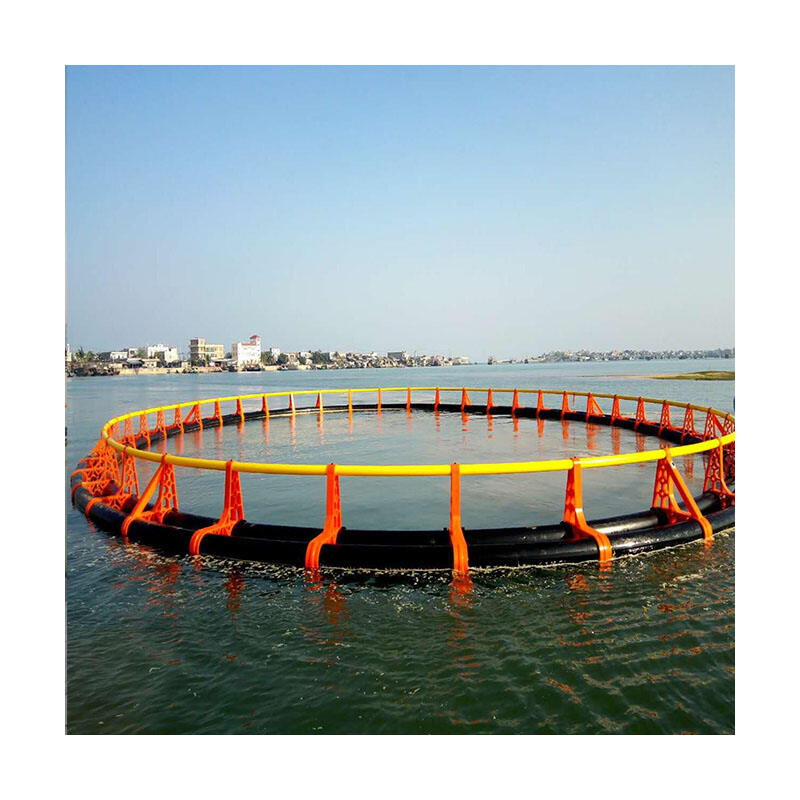
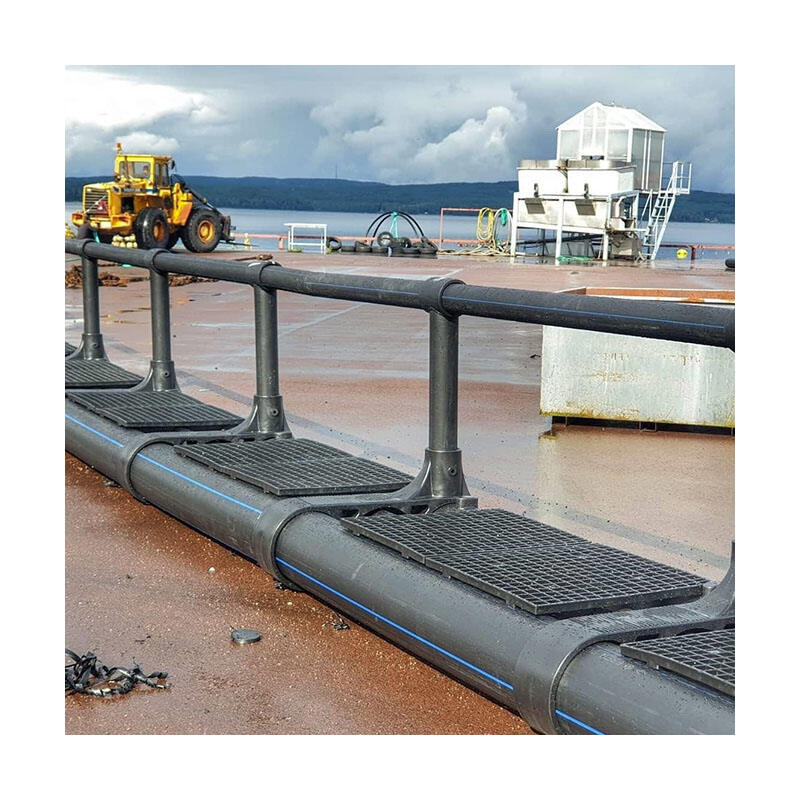
An aquaculture cage represents a revolutionary advancement in marine farming technology, designed to provide controlled environments for fish cultivation in open water systems. These sophisticated structures serve as floating or submerged enclosures that maintain fish populations while allowing natural water circulation. The aquaculture cage functions as a semi-permeable barrier that keeps farmed species contained while permitting essential water exchange for oxygen supply and waste removal. Modern aquaculture cage systems incorporate high-strength materials such as galvanized steel frames, corrosion-resistant aluminum alloys, and specialized synthetic netting materials that withstand harsh marine conditions. The technological features of these systems include modular construction designs that allow for scalable operations, adjustable depth mechanisms for optimal water temperature management, and integrated feeding systems that ensure efficient nutrient distribution. Advanced aquaculture cage models feature automated monitoring equipment that tracks water quality parameters, fish behavior patterns, and environmental conditions in real-time. The structural integrity of each aquaculture cage relies on engineered buoyancy systems, storm-resistant anchoring mechanisms, and flexible joint connections that accommodate wave action and tidal movements. Applications for aquaculture cage technology span across commercial fish farming operations, research facilities conducting marine biology studies, and sustainable seafood production enterprises. These systems prove particularly effective for cultivating salmon, trout, sea bass, and other high-value species in coastal waters, offshore locations, and large freshwater bodies. The versatility of aquaculture cage designs enables deployment in various depths and environmental conditions, from shallow protected bays to exposed ocean sites. Installation processes involve strategic site selection considering water currents, depth requirements, and regulatory compliance factors that ensure optimal performance and environmental responsibility.

New Product Releases

The aquaculture cage system delivers substantial benefits that transform traditional fish farming operations into highly efficient and profitable enterprises. First, these systems dramatically reduce operational costs compared to land-based facilities by eliminating expensive infrastructure requirements such as concrete pools, filtration systems, and water heating equipment. The natural water environment within each aquaculture cage provides continuous circulation that maintains optimal oxygen levels without costly aeration systems, while natural currents remove waste products automatically. This natural process significantly reduces maintenance expenses and labor requirements associated with water quality management. Second, the aquaculture cage enables farmers to achieve superior fish quality through natural growing conditions that closely mimic wild environments. Fish raised in these systems develop better muscle tone, improved flesh texture, and enhanced flavor profiles that command premium market prices. The constant water movement within the aquaculture cage promotes healthy exercise patterns that result in stronger, more resilient fish with lower mortality rates. Third, scalability represents a major advantage as operators can easily expand production capacity by adding additional aquaculture cage units without major infrastructure investments. This modular approach allows businesses to grow incrementally based on market demand and financial capacity. Fourth, the aquaculture cage system provides excellent protection against predators through robust netting systems while maintaining fish welfare standards. The enclosed environment prevents escapes that could impact wild fish populations while protecting valuable stock from seals, birds, and other marine predators. Fifth, operational flexibility allows farmers to relocate aquaculture cage installations to optimal locations based on seasonal conditions, water temperature variations, and market proximity. This mobility reduces transportation costs and enables year-round production optimization. Finally, the aquaculture cage system supports sustainable farming practices by utilizing natural marine ecosystems efficiently while minimizing environmental impact through proper waste management and reduced chemical usage compared to traditional farming methods.

Latest News

Pressure test of PE steel mesh skeleton

14

Sep

Pressure test of PE steel mesh skeleton

View More
Maximizing Efficiency with Dredging Pipelines: A Comprehensive Guide

24

Jun

Maximizing Efficiency with Dredging Pipelines: A Comprehensive Guide

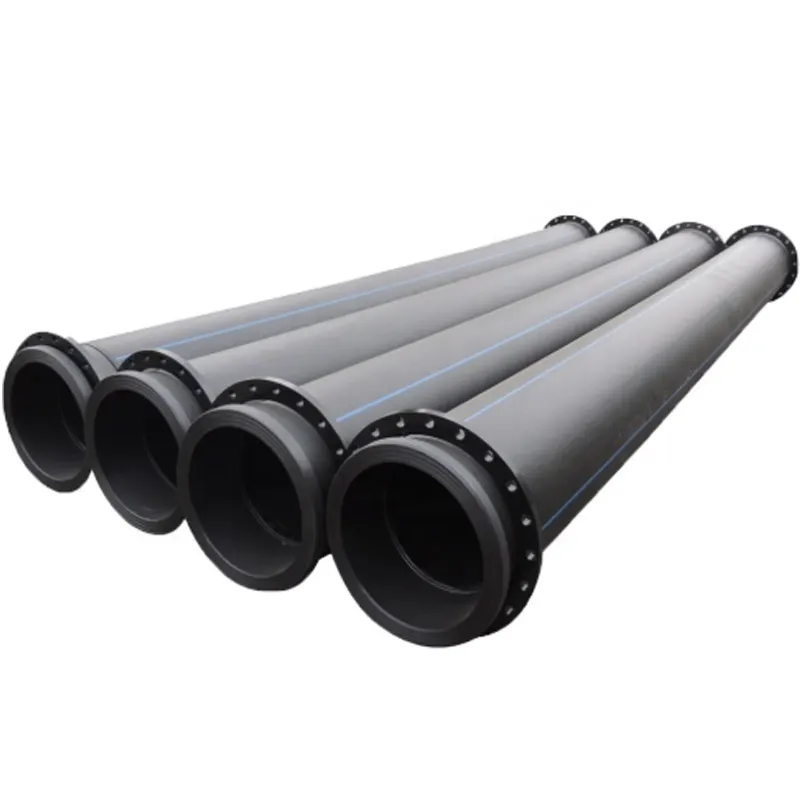
Explore the role of booster pumps in optimizing dredging pipeline efficiency, enhancing slurry velocity, and reducing operational costs. Understand strategic placement, calculate critical velocities, and delve into advanced technologies for modern dredging operations using HDPE solutions.
View More
HDPE Double Wall Corrugated Pipes: The Future of Underground Drainage

24

Jun

HDPE Double Wall Corrugated Pipes: The Future of Underground Drainage

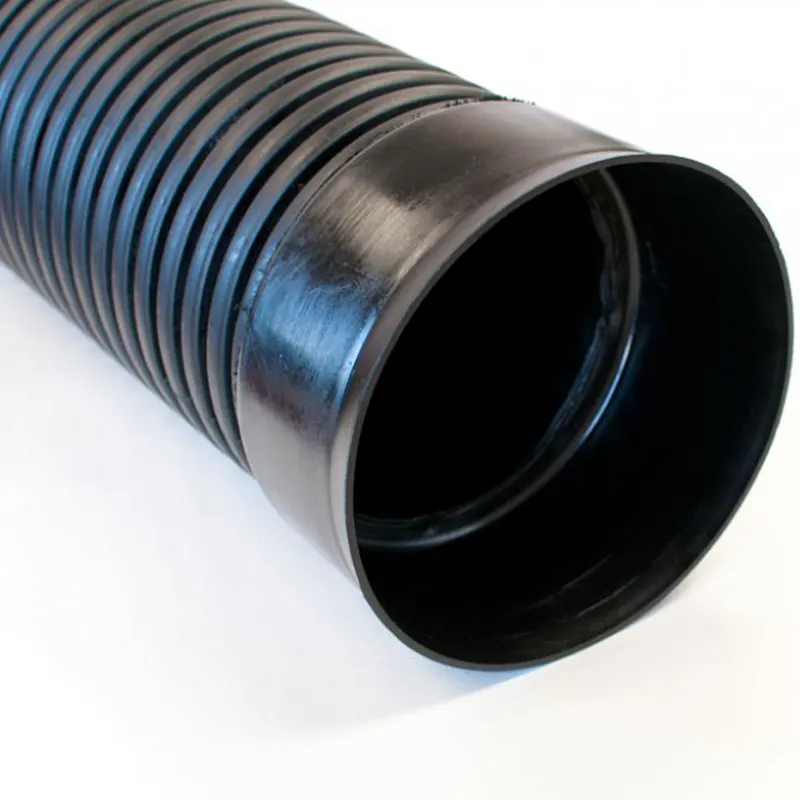
Discover key advantages of HDPE double wall corrugated pipes including durability, corrosion resistance, and high flexibility for modern infrastructure solutions. Explore their cost-effectiveness and sustainability benefits over traditional materials.
View More
PVC-U Pipes: The Ultimate Solution for Well Construction – Unmatched Performance and Durability

04

Jun

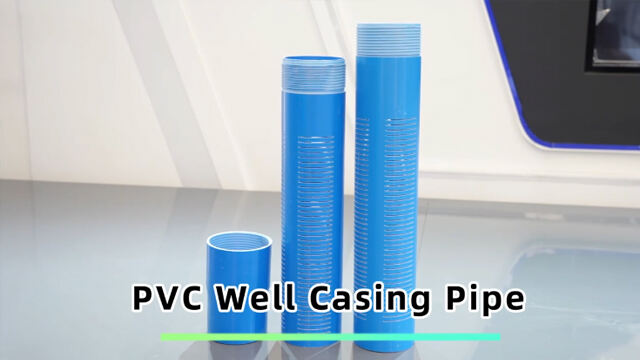
PVC-U Pipes: The Ultimate Solution for Well Construction – Unmatched Performance and Durability

View More

Get a Free Quote

Our representative will contact you soon.
Email
Mobile
Name
Message
0/1000

aquaculture cage

Advanced Modular Design Technology

Advanced Modular Design Technology

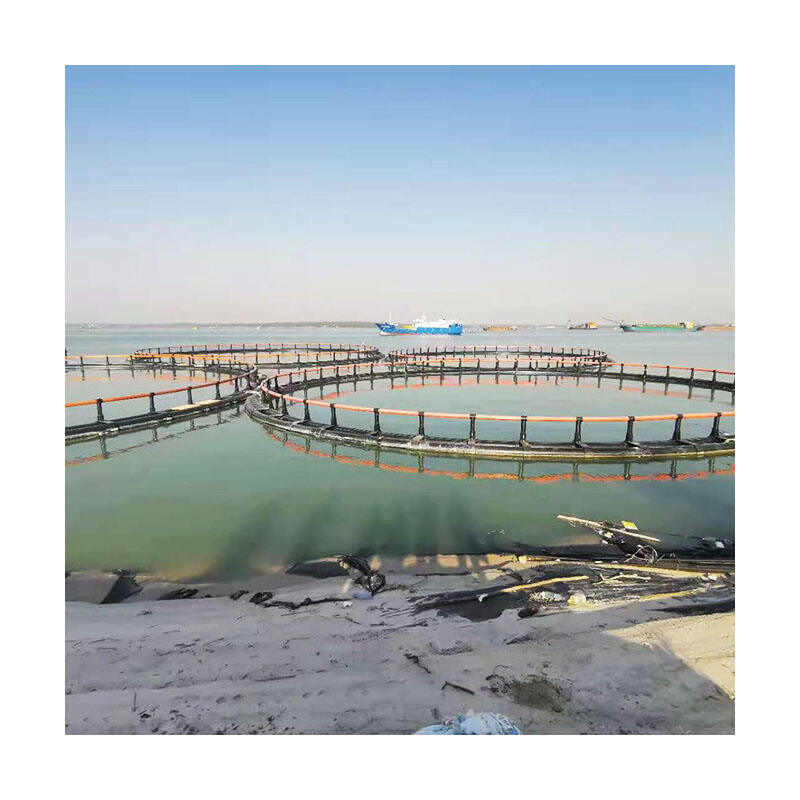
The innovative modular design of modern aquaculture cage systems represents a breakthrough in marine farming efficiency and adaptability. This sophisticated engineering approach allows operators to customize their farming operations according to specific production requirements, environmental conditions, and business objectives. Each aquaculture cage module integrates seamlessly with additional units, creating scalable farming networks that can expand from small-scale operations to large commercial enterprises without requiring complete infrastructure overhaul. The modular construction utilizes precision-engineered components that ensure consistent performance across all connected units while maintaining individual cage functionality. Advanced materials science contributes to the superior durability of these modular systems, incorporating marine-grade aluminum frames that resist corrosion, high-density polyethylene floatation chambers that provide reliable buoyancy, and specialized synthetic netting that withstands prolonged exposure to saltwater environments. The standardized connection systems enable rapid deployment and reconfiguration of aquaculture cage networks, allowing operators to respond quickly to changing market demands or environmental conditions. Quality control processes ensure each module meets stringent performance standards before integration into larger systems. The modular approach significantly reduces initial capital investments by allowing phased development strategies where operators can start with basic configurations and expand systematically as revenues increase. Maintenance procedures benefit from standardized components that simplify repair processes and reduce inventory requirements. The interchangeable nature of modules provides operational redundancy that minimizes production disruptions during routine maintenance or unexpected equipment failures. Technical support systems for modular aquaculture cage networks include comprehensive installation guidance, ongoing maintenance protocols, and upgrade pathways that extend system lifecycles. This design philosophy transforms aquaculture cage operations from fixed installations into dynamic, responsive farming platforms that adapt to evolving industry requirements while delivering consistent, reliable performance throughout their operational lifespan.
Environmental Sustainability Integration

Environmental Sustainability Integration

Environmental sustainability stands as a cornerstone feature of contemporary aquaculture cage systems, addressing critical concerns about marine ecosystem preservation while enabling responsible seafood production. These advanced systems incorporate multiple environmental protection mechanisms that minimize ecological impact while maximizing production efficiency. The aquaculture cage design promotes natural water circulation patterns that prevent localized pollution accumulation, allowing marine environments to process organic waste through established biological cycles. Strategic positioning of cage installations considers local current patterns, water depth, and marine habitat sensitivity to ensure minimal disruption to existing ecosystems. Advanced aquaculture cage systems integrate real-time environmental monitoring equipment that tracks water quality parameters including dissolved oxygen levels, temperature variations, pH balance, and nutrient concentrations. This continuous monitoring enables proactive management decisions that maintain optimal growing conditions while preventing environmental degradation. Waste management protocols within aquaculture cage operations utilize natural biological processes to convert fish waste into beneficial nutrients for marine plant life, creating symbiotic relationships that enhance local biodiversity. The selective breeding programs supported by controlled aquaculture cage environments reduce pressure on wild fish populations by providing sustainable alternatives to ocean fishing. Innovative feeding systems minimize excess feed discharge through precision delivery mechanisms that ensure optimal nutrition while reducing waste accumulation. The enclosed nature of aquaculture cage systems prevents genetic contamination of wild populations through escape prevention while maintaining healthy stock genetics through controlled breeding programs. Energy efficiency features include passive current-driven aeration systems that eliminate the need for electric pumps, solar-powered monitoring equipment that reduces carbon footprints, and biodegradable netting options that prevent long-term marine pollution. Compliance with international environmental standards ensures aquaculture cage operations meet stringent regulatory requirements while supporting sustainable development goals. These comprehensive environmental features position aquaculture cage technology as a responsible solution for meeting growing global seafood demand while preserving marine ecosystems for future generations.
Smart Technology Integration and Automation

Smart Technology Integration and Automation

The integration of smart technology and automation systems revolutionizes aquaculture cage operations by delivering unprecedented levels of control, efficiency, and data-driven decision making. Modern aquaculture cage installations incorporate sophisticated sensor networks that continuously monitor multiple parameters including water temperature, dissolved oxygen levels, current speeds, and fish behavior patterns. These intelligent systems utilize advanced analytics to process real-time data streams, generating actionable insights that optimize feeding schedules, health management protocols, and harvest timing decisions. Automated feeding systems within aquaculture cage networks employ precision dispensing mechanisms controlled by intelligent algorithms that calculate optimal nutrition delivery based on fish size, species requirements, environmental conditions, and growth objectives. This technology eliminates waste associated with manual feeding while ensuring consistent nutrition that maximizes growth rates and minimizes production costs. Remote monitoring capabilities enable operators to oversee multiple aquaculture cage installations from centralized control centers, reducing labor requirements while maintaining comprehensive operational oversight. Mobile applications provide real-time access to system status, alert notifications, and performance analytics, allowing management teams to respond quickly to changing conditions regardless of their physical location. Predictive maintenance algorithms analyze equipment performance data to anticipate potential failures before they occur, scheduling preventive interventions that minimize production disruptions and extend equipment lifecycles. Integration with weather forecasting systems enables proactive responses to storm conditions, automatically adjusting cage depths or triggering protective protocols that safeguard fish populations and equipment investments. Machine learning capabilities continuously improve system performance by analyzing historical data patterns to optimize operational parameters and predict optimal harvest windows. Blockchain technology integration provides transparent traceability throughout the production cycle, documenting feed sources, growth rates, health treatments, and environmental conditions to support premium market positioning and regulatory compliance. These smart technology features transform traditional aquaculture cage operations into highly efficient, data-driven enterprises that deliver superior performance while reducing operational complexity and enhancing profitability through automated optimization of critical production variables.
Inquiry Advanced Aquaculture Cage Systems - Sustainable Marine Fish Farming Solutions Inquiry Advanced Aquaculture Cage Systems - Sustainable Marine Fish Farming Solutions Advanced Aquaculture Cage Systems - Sustainable Marine Fish Farming Solutions Advanced Aquaculture Cage Systems - Sustainable Marine Fish Farming Solutions
Write down your question

We are not only a product manufacturer, but also a solution provider. Whether you have questions or quotation requests, we will help you.

Get a Quote

Contact Us

Your email address will not be published. Required fields are marked *
Email
Name
Mobile
Message
0/1000