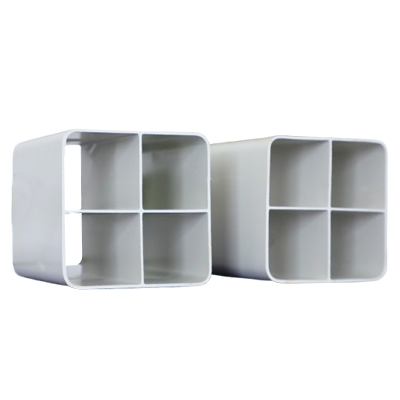
Premium Aquaculture Fish Cage Systems - Advanced Marine Farming Solutions for Commercial Fish Production

Get a Free Quote

Our representative will contact you soon.
Email
Mobile
Name
Message
0/1000

aquaculture fish cage

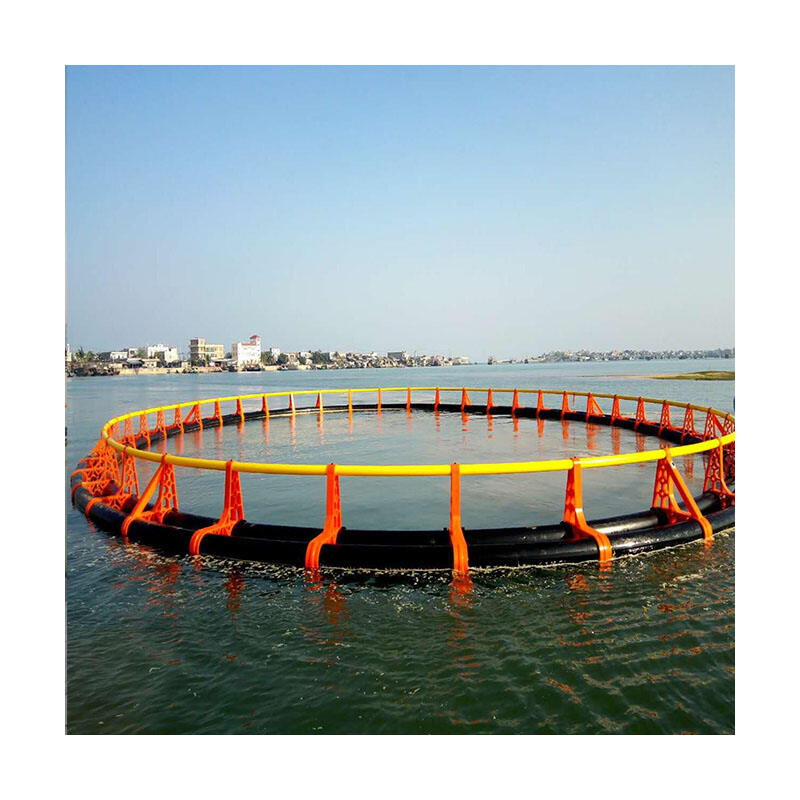
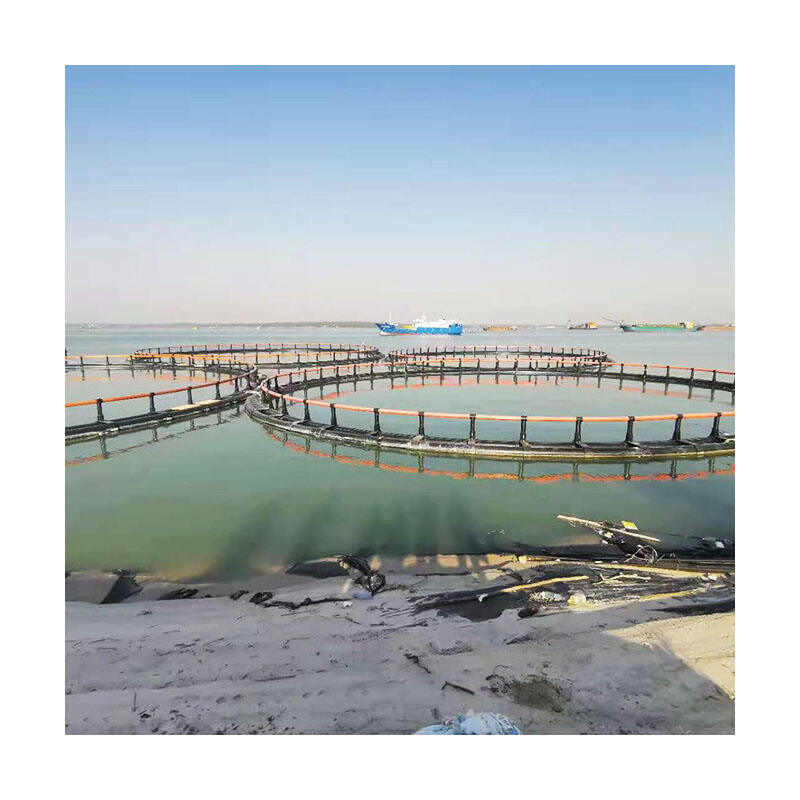
The aquaculture fish cage represents a revolutionary approach to modern fish farming, offering sustainable and efficient solutions for commercial fish production in marine and freshwater environments. These specialized structures serve as controlled underwater habitats that enable fish farmers to cultivate various species while maintaining optimal growing conditions. An aquaculture fish cage functions as a semi-enclosed system that allows natural water circulation while preventing fish escape and protecting stock from predators. The primary purpose of these cages is to create a managed environment where fish can thrive under controlled conditions, leading to higher survival rates and improved growth performance compared to traditional open-water farming methods. The technological features of modern aquaculture fish cage systems include corrosion-resistant materials such as galvanized steel frames, high-density polyethylene netting, and advanced anchoring systems designed to withstand harsh marine conditions. These cages incorporate sophisticated monitoring systems that track water quality parameters, feeding schedules, and fish behavior patterns. The structural design allows for easy maintenance access while ensuring proper water flow throughout the enclosure. Applications of aquaculture fish cage technology span across various sectors including commercial salmon farming, sea bass cultivation, tilapia production, and specialty fish breeding operations. Marine aquaculture operations utilize these cages in coastal waters where natural currents provide excellent water exchange, while freshwater applications focus on lake and reservoir environments. The versatility of aquaculture fish cage systems makes them suitable for both small-scale family operations and large industrial fish farming enterprises, adapting to different geographic locations and climate conditions worldwide.

New Products

The aquaculture fish cage system delivers numerous practical benefits that make it an attractive investment for fish farming operations of all sizes. First and foremost, these cages provide exceptional control over the growing environment, allowing farmers to monitor and adjust conditions to optimize fish health and growth rates. This level of control translates directly into higher yields and better quality fish products, ultimately increasing profitability for farming operations. The contained nature of an aquaculture fish cage prevents fish from escaping into wild populations, addressing environmental concerns while protecting valuable stock investments. Farmers can implement precise feeding strategies within the cage system, reducing waste and ensuring optimal nutrition delivery to maximize growth efficiency. The protection offered by aquaculture fish cage structures shields fish from natural predators such as seals, birds, and larger marine species that would otherwise cause significant stock losses in open-water farming. This protection factor alone can increase survival rates by up to eighty percent compared to traditional methods. Maintenance and harvesting operations become significantly more manageable with aquaculture fish cage systems, as farmers can access their stock easily for health inspections, selective harvesting, and routine care procedures. The scalability of these systems allows operations to expand gradually, starting with smaller cage installations and adding capacity as business grows and market demand increases. Water quality management becomes more effective within an aquaculture fish cage environment, as farmers can monitor parameters such as oxygen levels, temperature, and pollutant concentrations more accurately than in open-water systems. The economic advantages include reduced operational costs through improved feed conversion ratios, lower mortality rates, and decreased labor requirements for monitoring and maintenance. Additionally, aquaculture fish cage systems enable year-round production in suitable climates, providing consistent income streams and meeting market demands throughout different seasons. The modular design of modern cage systems allows for easy relocation when necessary, providing flexibility to respond to changing environmental conditions or regulatory requirements.

Latest News

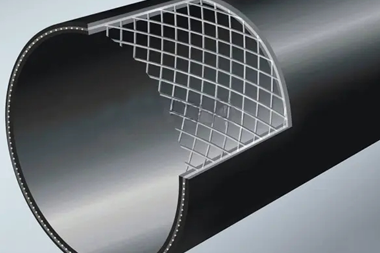
Pressure test of PE steel mesh skeleton

14

Sep

Pressure test of PE steel mesh skeleton

View More
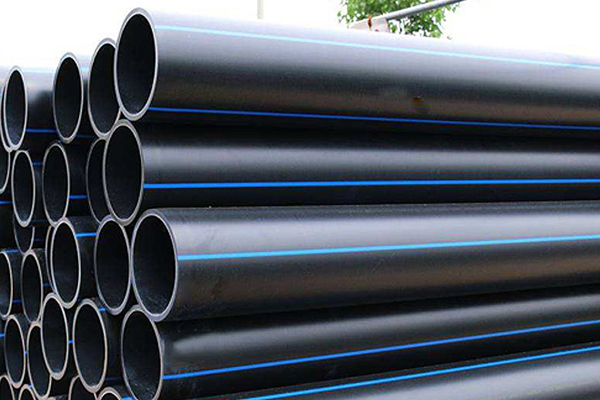
HDPE Pipe: a solid foundation for shaping future pipe systems

18

Sep

HDPE Pipe: a solid foundation for shaping future pipe systems

View More
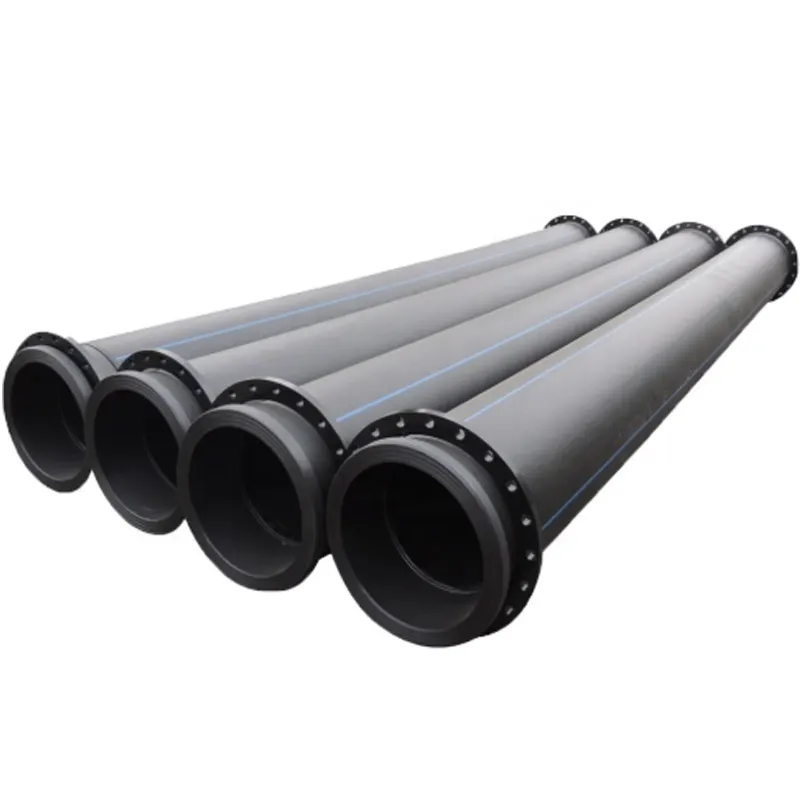
Maximizing Efficiency with Dredging Pipelines: A Comprehensive Guide

24

Jun

Maximizing Efficiency with Dredging Pipelines: A Comprehensive Guide

Explore the role of booster pumps in optimizing dredging pipeline efficiency, enhancing slurry velocity, and reducing operational costs. Understand strategic placement, calculate critical velocities, and delve into advanced technologies for modern dredging operations using HDPE solutions.
View More
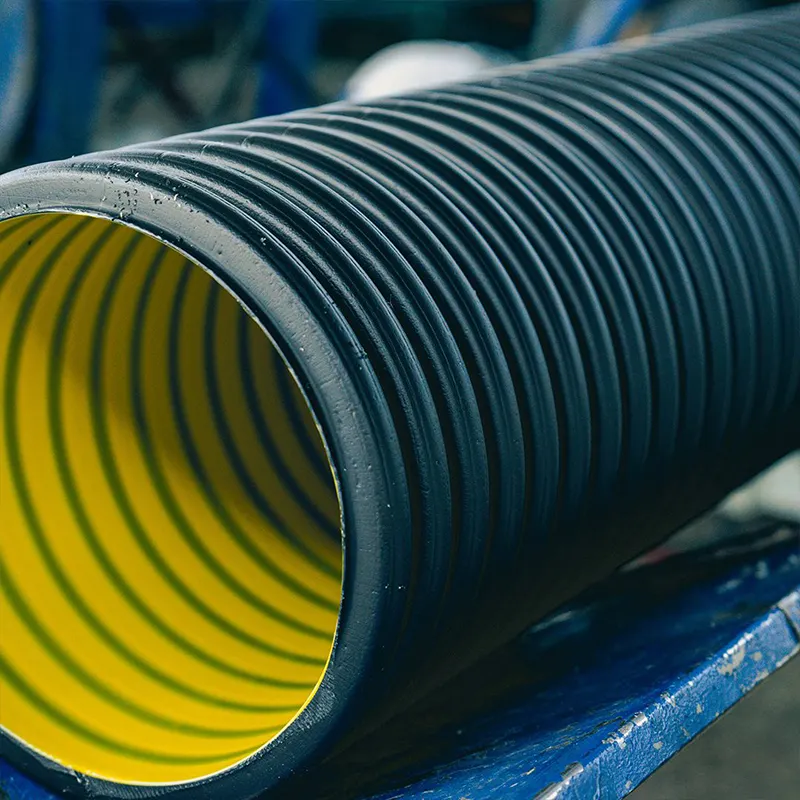
Why HDPE Double Wall Corrugated Pipes Are Ideal for Stormwater Management

24

Jun

Why HDPE Double Wall Corrugated Pipes Are Ideal for Stormwater Management

Explore the growing significance of stormwater management amid urbanization and climate change. Discover how HDPE double wall corrugated pipes enhance infrastructure resilience, offering superior load-bearing capacity, corrosion resistance, and sustainability benefits.
View More

Get a Free Quote

Our representative will contact you soon.
Email
Mobile
Name
Message
0/1000

aquaculture fish cage

Advanced Structural Design and Durability

Advanced Structural Design and Durability

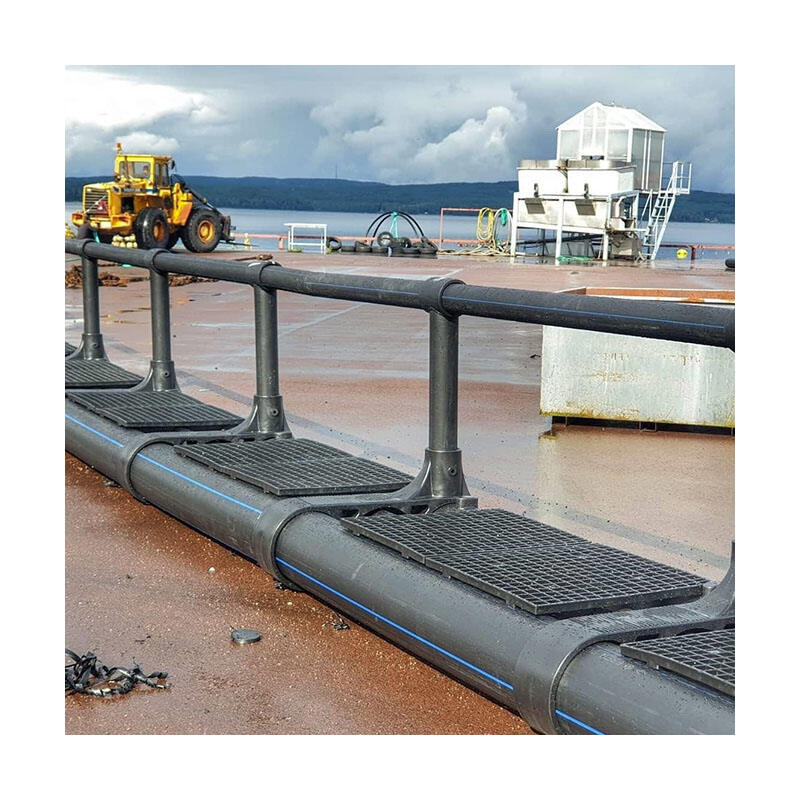
The structural engineering behind modern aquaculture fish cage systems represents a significant advancement in marine farming technology, incorporating cutting-edge materials and design principles that ensure long-term performance in challenging aquatic environments. The framework of these cages utilizes marine-grade materials specifically chosen for their resistance to saltwater corrosion, UV degradation, and mechanical stress from waves and currents. High-density polyethylene components provide exceptional flexibility while maintaining structural integrity, allowing the aquaculture fish cage to flex with natural water movements without compromising the containment system. The netting materials used in contemporary cage designs feature advanced polymer compositions that resist biofouling, reduce maintenance requirements, and provide superior tensile strength compared to traditional materials. These improvements translate into extended operational lifespans, often exceeding fifteen years with proper maintenance, making the aquaculture fish cage a cost-effective long-term investment. The anchoring and mooring systems incorporate sophisticated engineering calculations to account for local current patterns, storm conditions, and seasonal variations in water levels. This comprehensive approach to structural design ensures that the aquaculture fish cage remains securely positioned while allowing optimal water flow through the enclosure. The modular construction methodology enables farmers to customize cage configurations to match specific site conditions and production requirements, whether deploying single units for small-scale operations or creating extensive arrays for commercial production facilities. Quality control processes during manufacturing ensure that every component meets strict standards for marine applications, with materials tested for fatigue resistance, chemical compatibility, and environmental impact. The result is an aquaculture fish cage system that provides reliable performance across diverse operating conditions while minimizing the risk of structural failures that could result in stock losses or environmental incidents.
Optimal Water Circulation and Environmental Control

Optimal Water Circulation and Environmental Control

The hydrodynamic design of aquaculture fish cage systems prioritizes water circulation as a critical factor for maintaining healthy fish populations and maximizing production efficiency. Advanced computational fluid dynamics modeling guides the development of cage geometries that promote natural water flow patterns while minimizing dead zones where waste accumulation and oxygen depletion could occur. The strategic placement of mesh panels and structural elements creates a venturi effect that enhances water exchange rates throughout the entire aquaculture fish cage volume, ensuring consistent water quality parameters across all areas of the enclosure. This superior water circulation capability enables higher stocking densities while maintaining optimal dissolved oxygen levels, directly contributing to improved fish growth rates and reduced mortality. Environmental monitoring systems integrated into modern aquaculture fish cage installations provide real-time data on temperature, salinity, pH levels, and dissolved oxygen concentrations, allowing farmers to make informed decisions about feeding schedules, harvesting timing, and stock management practices. The cage design facilitates natural waste removal through current action, reducing the accumulation of organic matter that could compromise water quality or create disease conditions. Seasonal variations in water temperature and quality can be managed more effectively within the controlled environment of an aquaculture fish cage, extending growing seasons and improving production consistency. The system design also incorporates features that minimize stress on fish populations, including gradual depth changes, shelter areas, and optimized spacing that allows natural schooling behaviors. Water quality maintenance becomes significantly more manageable compared to pond-based systems, as the natural flushing action of surrounding waters helps maintain optimal conditions without requiring expensive water treatment equipment. The environmental benefits extend beyond the immediate farming operation, as properly designed aquaculture fish cage systems minimize impacts on surrounding ecosystems through controlled waste management and reduced chemical inputs compared to traditional farming methods.
Economic Efficiency and Scalable Production

Economic Efficiency and Scalable Production

The economic advantages of aquaculture fish cage systems stem from their ability to optimize production efficiency while minimizing operational costs across all aspects of fish farming operations. Feed conversion ratios improve significantly within the controlled environment of an aquaculture fish cage, as precise feeding management prevents waste and ensures that nutritional inputs directly contribute to fish growth rather than being lost to the surrounding environment. This efficiency translates into substantial cost savings over the production cycle, as feed typically represents the largest operational expense in commercial fish farming. Labor productivity increases dramatically when using aquaculture fish cage systems, as automated feeding systems, centralized monitoring capabilities, and streamlined maintenance procedures reduce the time and personnel required for daily operations. The scalable nature of cage-based production allows businesses to start with modest investments and expand capacity incrementally as market conditions and capital availability permit, reducing financial risk while building operational expertise. Harvest operations become more efficient and cost-effective within an aquaculture fish cage environment, as fish can be concentrated and collected more easily than in pond-based systems, reducing handling stress and improving product quality. Market timing flexibility improves significantly, as farmers can selectively harvest portions of their stock to meet specific market demands while allowing remaining fish to continue growing to optimal sizes. The consistent production environment provided by aquaculture fish cage systems enables more accurate production planning and inventory management, facilitating better business relationships with buyers and processors. Risk management improves through diversification opportunities, as multiple cage installations can house different species or age groups, spreading market and biological risks across varied production streams. The infrastructure investment in aquaculture fish cage systems typically generates positive returns within three to five years, depending on species selection and market conditions, while providing decades of productive capacity with proper maintenance. Additionally, the environmental compliance benefits of contained production systems can provide access to premium markets and certifications that command higher prices, further improving the economic performance of aquaculture fish cage operations.

Inquiry Premium Aquaculture Fish Cage Systems - Advanced Marine Farming Solutions for Commercial Fish Production Inquiry Premium Aquaculture Fish Cage Systems - Advanced Marine Farming Solutions for Commercial Fish Production Premium Aquaculture Fish Cage Systems - Advanced Marine Farming Solutions for Commercial Fish Production Premium Aquaculture Fish Cage Systems - Advanced Marine Farming Solutions for Commercial Fish Production
Write down your question

We are not only a product manufacturer, but also a solution provider. Whether you have questions or quotation requests, we will help you.

Get a Quote

Contact Us

Your email address will not be published. Required fields are marked *
Email
Name
Mobile
Message
0/1000