Deep Sea Aquaculture Cage: Advanced Offshore Fish Farming Technology for Sustainable Marine Production

Get a Free Quote

Our representative will contact you soon.
Email
Mobile
Name
Message
0/1000

deep sea aquaculture cage

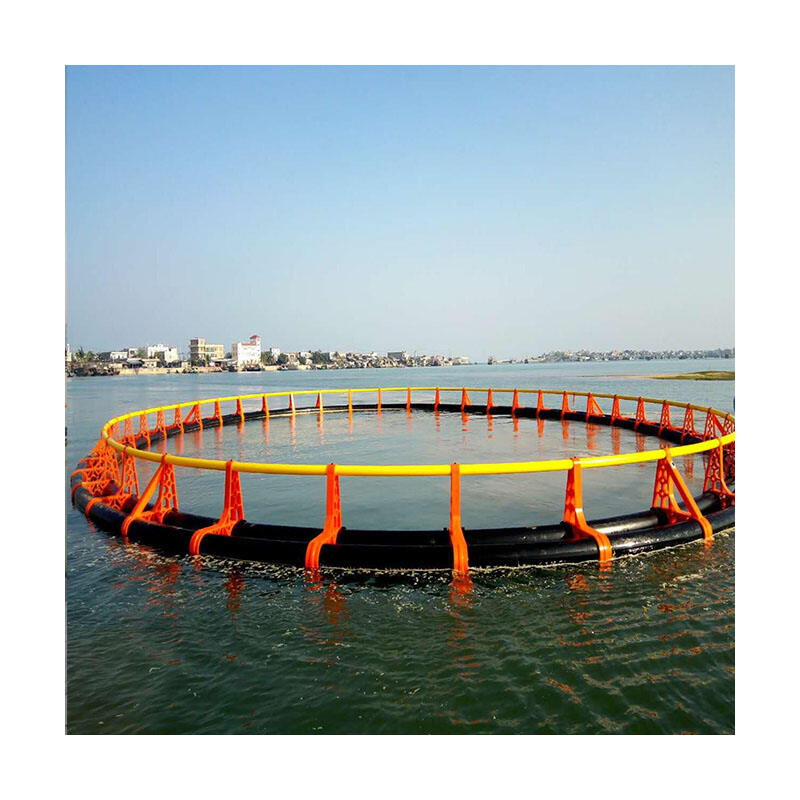
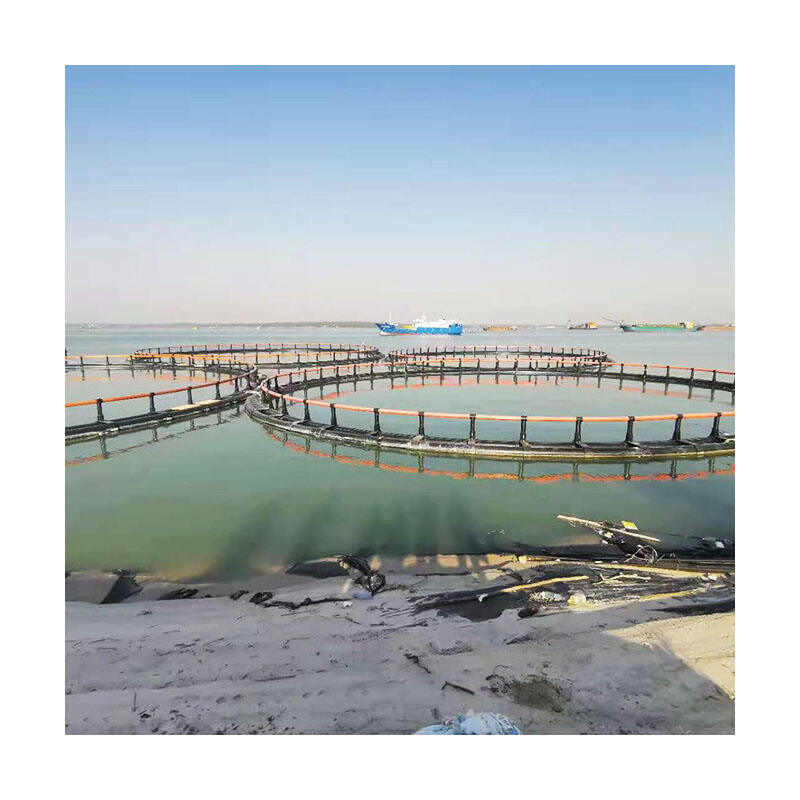
A deep sea aquaculture cage represents a revolutionary advancement in marine farming technology, designed to operate in offshore waters far from coastal areas. These sophisticated structures enable fish farming in open ocean environments where water quality remains pristine and environmental conditions prove optimal for marine species cultivation. The deep sea aquaculture cage system consists of robust netted enclosures anchored to the seabed, capable of withstanding harsh oceanic conditions including strong currents, waves, and storms. The main functions of this innovative farming system include providing secure containment for various fish species while allowing natural water circulation, protecting stock from predators, and facilitating efficient feeding and monitoring operations. Technological features of the deep sea aquaculture cage incorporate advanced materials such as high-strength synthetic fibers and corrosion-resistant metals that ensure longevity in saltwater environments. The cage design utilizes hydrodynamic principles to minimize water resistance while maximizing structural integrity. Automated feeding systems, underwater cameras, and environmental monitoring sensors integrate seamlessly with the cage infrastructure to provide real-time data on fish behavior, water quality parameters, and overall system performance. Applications for deep sea aquaculture cage technology span multiple sectors of the marine farming industry. Commercial fish producers utilize these systems to cultivate high-value species including salmon, tuna, and sea bass in optimal growing conditions. Research institutions employ deep sea aquaculture cages for marine biology studies and species development programs. The technology also supports sustainable seafood production initiatives aimed at reducing pressure on wild fish populations while meeting growing global protein demands. The deep sea aquaculture cage system offers scalability from small research installations to large commercial operations, making it suitable for various organizational needs and investment levels.


New Product Releases

The deep sea aquaculture cage delivers numerous practical benefits that make it an attractive investment for modern fish farming operations. First, the system significantly improves fish health and growth rates by providing access to cleaner, well-oxygenated ocean water compared to near-shore environments. This pristine water quality reduces disease risks and eliminates the need for frequent water treatment or medication, resulting in healthier fish and lower operational costs. The deep sea location also minimizes environmental impact by dispersing waste products naturally through ocean currents, preventing the accumulation of organic matter that often occurs in shallow water farms. Second, the deep sea aquaculture cage offers enhanced production capacity and efficiency. The larger water volumes available in offshore locations allow for higher stocking densities while maintaining optimal growing conditions. Fish experience less stress in these spacious environments, leading to faster growth rates and improved feed conversion ratios. The consistent water temperatures and natural currents found in deep sea locations create ideal conditions for various marine species, enabling year-round production cycles that maximize return on investment. Third, the technology provides superior operational flexibility and scalability. Operators can easily expand their farming capacity by adding additional cages to existing installations without significant infrastructure modifications. The modular design allows for customization based on specific species requirements and production goals. Remote monitoring capabilities enable efficient management of multiple cage sites from a central location, reducing labor costs and improving operational oversight. Fourth, the deep sea aquaculture cage system offers better protection against environmental threats and regulatory restrictions. Offshore locations experience less interference from coastal development, tourism activities, and competing marine uses. The distance from shore also reduces conflicts with local communities and environmental groups concerned about near-shore aquaculture impacts. Additionally, many regulatory frameworks favor offshore aquaculture development, providing operators with more favorable permitting processes and operational guidelines. Finally, the system delivers improved product quality and market positioning. Fish raised in deep sea aquaculture cages typically exhibit superior flesh quality, texture, and flavor profiles compared to those produced in conventional farming systems. This quality advantage allows producers to command premium prices in high-end markets while building strong brand recognition for sustainably produced seafood products.

Tips And Tricks

Advanced Features and Maintenance Strategies for PE Steel Wire Mesh Skeleton Pipes

14

Sep

Advanced Features and Maintenance Strategies for PE Steel Wire Mesh Skeleton Pipes

View More
HDPE Fitting: A key component for connecting future pipeline systems

18

Sep

HDPE Fitting: A key component for connecting future pipeline systems

View More
Understanding the Benefits of Dredging Pipelines in Marine Construction

30

Jun

Understanding the Benefits of Dredging Pipelines in Marine Construction

Explore the profound impact of dredging pipelines in modern marine construction. Discover how they enhance efficiency, enable large-scale infrastructure, and support global trade. Learn about key materials like HDPE, PVC, and Polyethylene, and understand future trends in dredging technology.
View More
HDPE Pipes: The Environmental Benefits of a Sustainable Piping Material

24

Jun

HDPE Pipes: The Environmental Benefits of a Sustainable Piping Material

Discover the environmental and economic benefits of HDPE recycled materials in supporting a circular economy, with advantages in durability, low carbon footprint, and applications in municipal systems and renewable energy.
View More

Get a Free Quote

Our representative will contact you soon.
Email
Mobile
Name
Message
0/1000

deep sea aquaculture cage

Advanced Structural Engineering for Extreme Marine Environments

Advanced Structural Engineering for Extreme Marine Environments

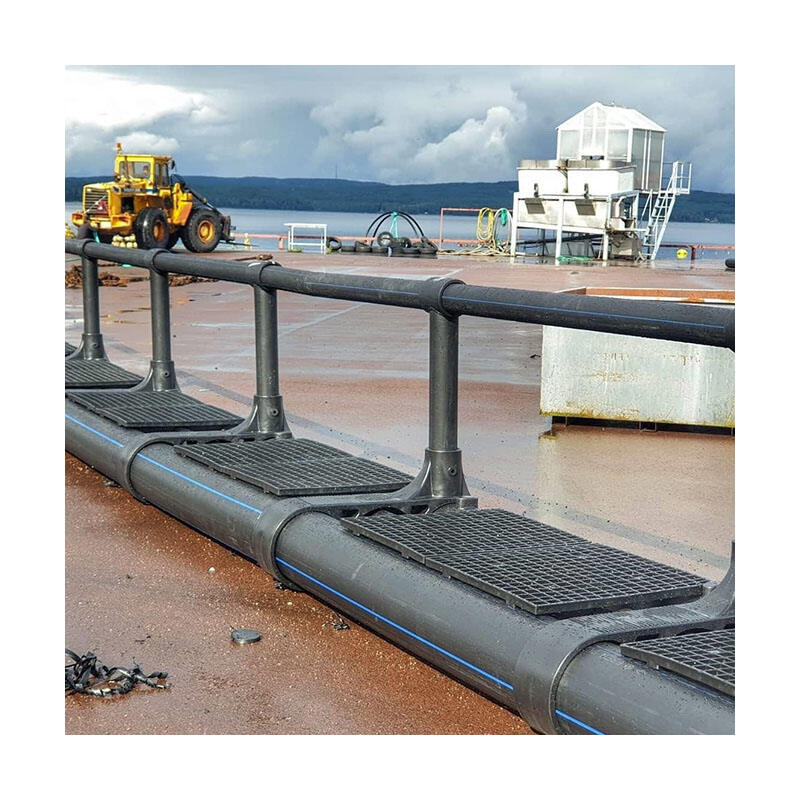
The deep sea aquaculture cage incorporates cutting-edge structural engineering specifically designed to withstand the most challenging oceanic conditions. The framework utilizes high-grade marine aluminum alloys and specialized polymer composites that resist corrosion and maintain structural integrity under constant exposure to saltwater, UV radiation, and mechanical stress. The cage geometry follows hydrodynamic principles that minimize drag forces while maximizing internal volume, allowing the structure to move naturally with ocean currents rather than fighting against them. This flexible design approach significantly reduces stress concentrations and extends operational lifespan compared to rigid conventional systems. The anchoring system represents another critical engineering achievement, featuring dynamic positioning technology that maintains cage stability while accommodating tidal movements and weather variations. Multiple anchor points distribute loads evenly across the seafloor, preventing localized stress that could compromise system integrity. The deep sea aquaculture cage employs redundant safety systems including emergency release mechanisms and backup flotation devices that ensure continued operation even during extreme weather events. Advanced materials science plays a crucial role in net design, with specialized synthetic fibers offering superior strength-to-weight ratios while resisting degradation from marine organisms and UV exposure. These materials maintain their properties throughout extended deployment periods, reducing maintenance requirements and operational interruptions. The structural engineering extends to connection systems and hardware, where every component undergoes rigorous testing to ensure compatibility with the marine environment. Galvanic corrosion protection through careful material selection and sacrificial anode systems prevents deterioration of metal components. The engineering excellence of the deep sea aquaculture cage translates directly into reduced operational costs, improved safety margins, and extended service life, making it a sound long-term investment for serious aquaculture operations seeking reliable offshore production capabilities.
Integrated Smart Technology for Precision Aquaculture Management

Integrated Smart Technology for Precision Aquaculture Management

The deep sea aquaculture cage integrates sophisticated smart technology systems that revolutionize traditional fish farming practices through precision monitoring and automated management capabilities. Real-time environmental sensors continuously track water temperature, oxygen levels, pH, salinity, and current speeds, providing operators with comprehensive data streams that enable proactive management decisions. This environmental monitoring system connects wirelessly to shore-based control centers, allowing remote oversight of multiple cage installations from a single location. The technology stack includes underwater cameras equipped with artificial intelligence algorithms that monitor fish behavior, feeding patterns, and health indicators automatically. These AI-powered systems can detect early signs of stress, disease, or abnormal behavior, triggering immediate alerts to farm managers who can respond quickly to potential issues. Automated feeding systems represent another technological breakthrough, utilizing programmable dispensers that deliver precise feed quantities based on real-time fish behavior analysis and environmental conditions. This precision feeding approach optimizes growth rates while minimizing waste and environmental impact. The deep sea aquaculture cage incorporates GPS tracking and telemetry systems that provide continuous location monitoring and structural status updates. These systems detect any cage movement or structural changes that might indicate equipment issues or extreme weather impacts. Predictive maintenance algorithms analyze system performance data to schedule maintenance activities before problems occur, reducing downtime and repair costs. The integrated technology platform includes data analytics tools that process historical and real-time information to optimize production parameters and predict harvest timing. Mobile applications provide farm managers with instant access to all system data and control functions from anywhere with internet connectivity. Cybersecurity measures protect sensitive operational data and prevent unauthorized access to control systems. The smart technology integration transforms the deep sea aquaculture cage into a sophisticated production platform that delivers superior operational efficiency, reduced labor requirements, and improved production outcomes through data-driven decision making and automated system responses.
Sustainable Production Model with Enhanced Environmental Benefits

Sustainable Production Model with Enhanced Environmental Benefits

The deep sea aquaculture cage establishes a genuinely sustainable production model that delivers significant environmental benefits while meeting growing global seafood demand. The offshore location provides natural waste dispersion through ocean currents, preventing the accumulation of organic matter that characterizes shallow water aquaculture operations. This natural waste management system maintains local water quality while supporting marine ecosystem health through nutrient cycling processes. The deep sea environment offers superior water quality with higher oxygen levels and more stable temperatures, creating optimal growing conditions that reduce the need for chemical treatments or medications commonly used in conventional fish farming. The sustainable design of the deep sea aquaculture cage minimizes interaction with sensitive coastal ecosystems, protecting seagrass beds, coral reefs, and shallow water habitats from aquaculture impacts. The offshore location also reduces conflicts with other marine uses including recreational fishing, boating, and tourism activities that often create tensions in near-shore areas. The cage system supports biodiversity by providing artificial reef habitat that attracts wild marine species, creating beneficial ecosystem interactions rather than competing with natural environments. Feed efficiency improvements inherent in the deep sea aquaculture cage system reduce the environmental footprint of fish production by minimizing feed conversion ratios and waste output. The high-quality growing environment enables fish to utilize feed more effectively, reducing the overall demand for feed ingredients and associated environmental impacts. The system supports closed-loop production models where multiple species can be cultivated together, with waste from one species providing nutrients for others. Long-term sustainability benefits include reduced pressure on wild fish stocks through increased aquaculture production capacity and improved product quality that commands premium market prices. The deep sea aquaculture cage enables producers to meet sustainability certification requirements more easily, opening access to environmentally conscious consumer markets. The technology supports climate change adaptation strategies by providing food security through ocean-based protein production that remains viable as terrestrial agriculture faces increasing climate pressures. This sustainable production model positions the deep sea aquaculture cage as a cornerstone technology for future food systems that must balance productivity, profitability, and environmental responsibility.
Inquiry Deep Sea Aquaculture Cage: Advanced Offshore Fish Farming Technology for Sustainable Marine Production Inquiry Deep Sea Aquaculture Cage: Advanced Offshore Fish Farming Technology for Sustainable Marine Production Deep Sea Aquaculture Cage: Advanced Offshore Fish Farming Technology for Sustainable Marine Production Deep Sea Aquaculture Cage: Advanced Offshore Fish Farming Technology for Sustainable Marine Production
Write down your question

We are not only a product manufacturer, but also a solution provider. Whether you have questions or quotation requests, we will help you.

Get a Quote

Contact Us

Your email address will not be published. Required fields are marked *
Email
Name
Mobile
Message
0/1000