Premium HDPE Conduit Pipe Solutions - Durable Cable Protection Systems

Get a Free Quote

Our representative will contact you soon.
Email
Mobile
Name
Message
0/1000

hdpe conduit pipe

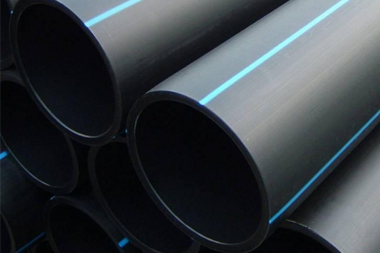
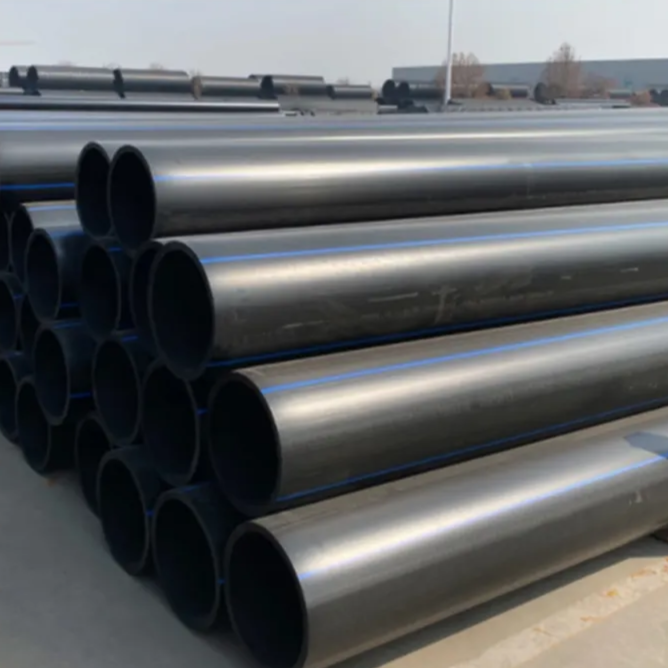
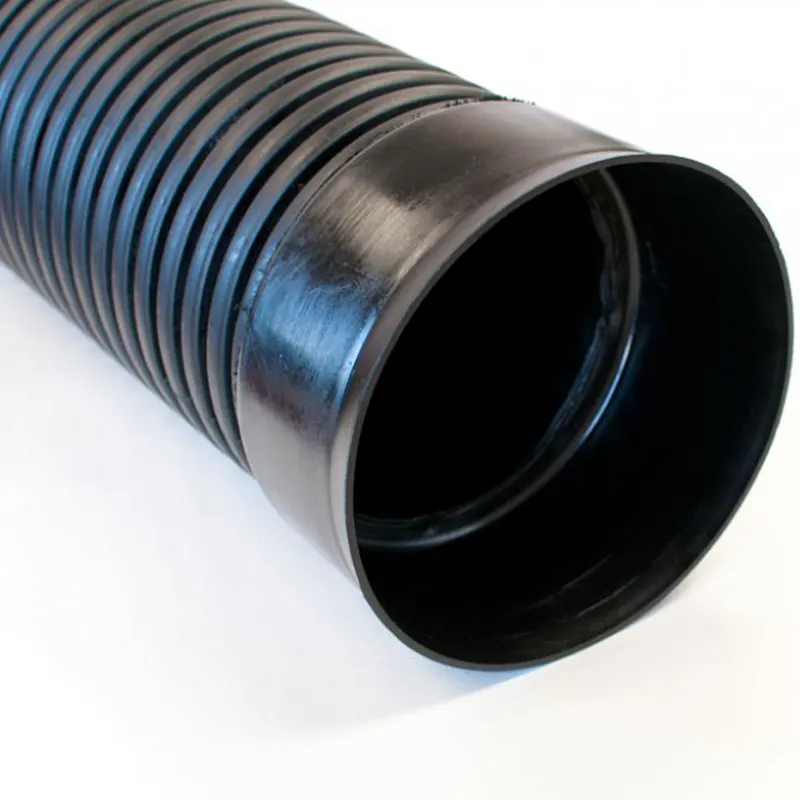
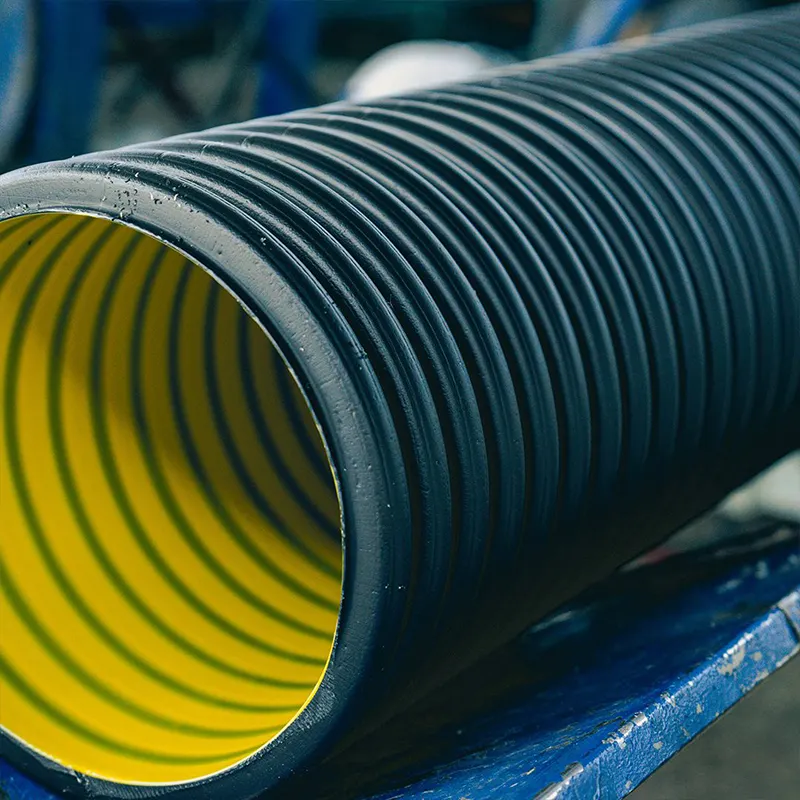
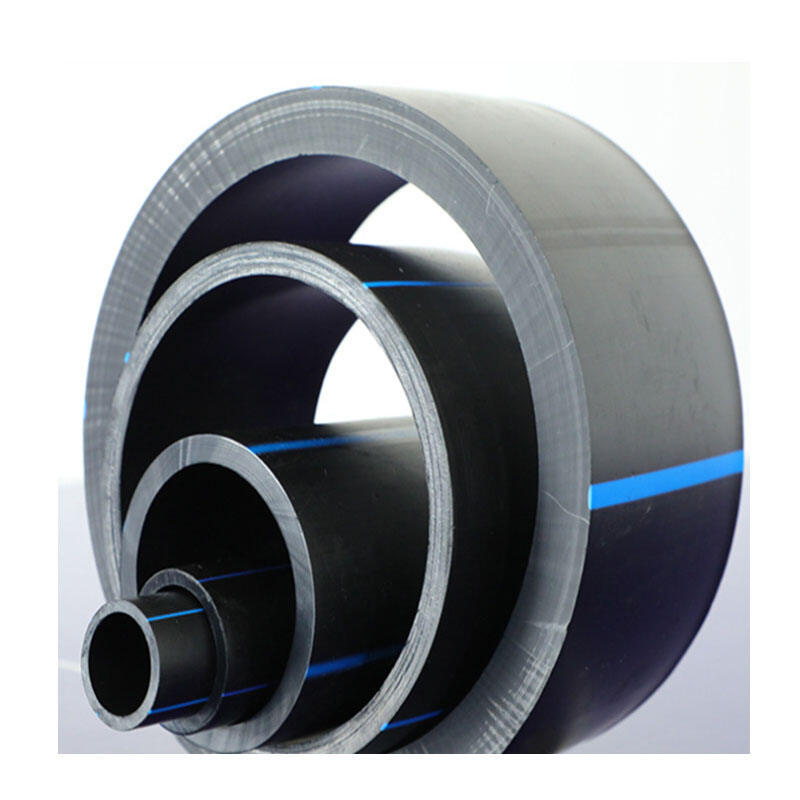
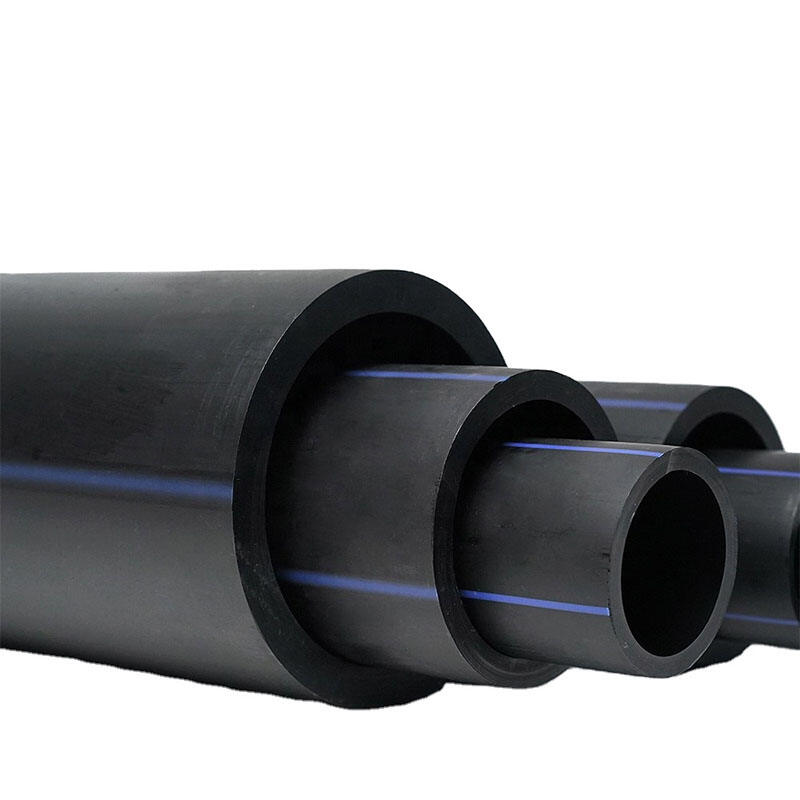
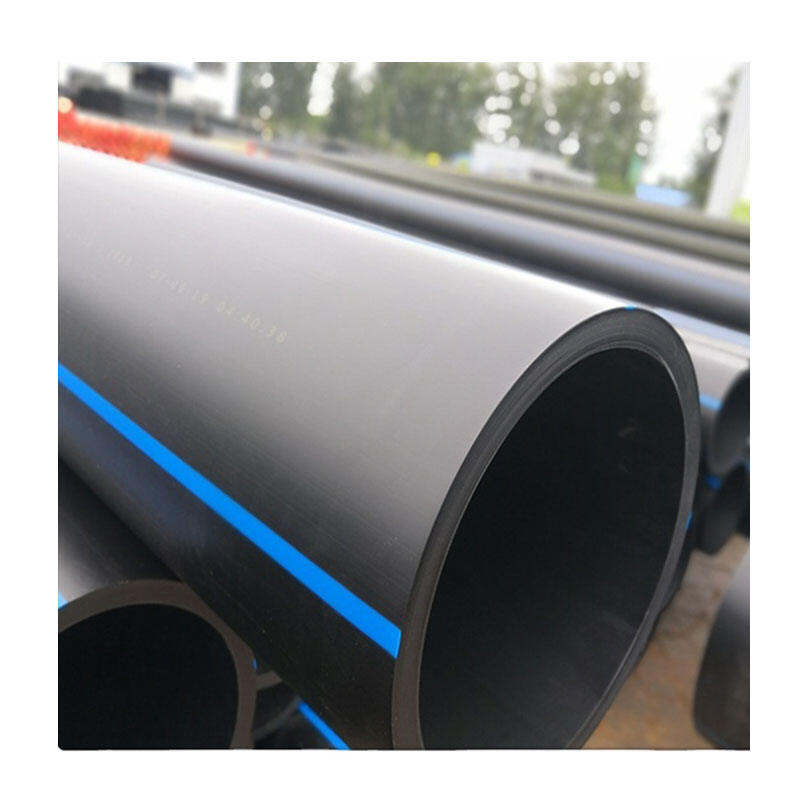
HDPE conduit pipe represents a cutting-edge solution in modern electrical and telecommunications infrastructure. This high-density polyethylene conduit pipe serves as a protective housing system for cables, wires, and optical fibers across residential, commercial, and industrial applications. The HDPE conduit pipe excels in safeguarding electrical installations from environmental hazards, physical damage, and moisture infiltration. Its primary function centers on creating secure pathways for electrical conductors while maintaining system integrity throughout extended service periods. The technological foundation of HDPE conduit pipe stems from advanced polymer engineering, utilizing molecular structures that deliver exceptional strength-to-weight ratios. Manufacturing processes involve precision extrusion techniques that ensure consistent wall thickness and dimensional accuracy across the entire length of each HDPE conduit pipe segment. The material composition incorporates UV stabilizers and antioxidants that enhance long-term performance under challenging environmental conditions. Temperature resistance capabilities allow HDPE conduit pipe installations to function effectively across wide thermal ranges, from sub-zero winter conditions to high-heat summer environments. Chemical resistance properties protect the HDPE conduit pipe from corrosive substances commonly found in industrial settings, including acids, alkalis, and various solvents. Installation versatility makes HDPE conduit pipe suitable for underground burial, above-ground mounting, and direct concrete encasement applications. The smooth interior surface of HDPE conduit pipe facilitates easy cable pulling while minimizing friction damage to delicate conductors. Flexible design characteristics enable HDPE conduit pipe systems to accommodate ground movement, thermal expansion, and seismic activity without compromising protective integrity. Color-coding options help installers identify different circuit types and voltage levels, improving safety protocols during maintenance procedures. Standard sizing ranges from small-diameter HDPE conduit pipe for residential wiring to large-bore systems for major infrastructure projects. Quality assurance testing ensures each HDPE conduit pipe meets stringent industry standards for mechanical strength, electrical properties, and environmental performance.


Popular Products

HDPE conduit pipe delivers remarkable durability advantages that significantly reduce long-term maintenance costs and system downtime. The inherent strength of high-density polyethylene ensures that HDPE conduit pipe withstands crushing forces, impact damage, and repetitive stress cycles without developing cracks or structural failures. This exceptional durability translates into decades of reliable service, eliminating frequent replacement expenses associated with inferior conduit materials. Installation efficiency represents another major advantage of HDPE conduit pipe systems, as lightweight construction reduces labor requirements and equipment needs during project execution. Workers can handle longer sections of HDPE conduit pipe with minimal effort, accelerating installation timelines and reducing project costs. The flexible nature of HDPE conduit pipe allows installers to navigate complex routing paths without requiring numerous joints and fittings, further streamlining the installation process. Cost-effectiveness becomes evident through both initial material savings and reduced lifecycle expenses when comparing HDPE conduit pipe to traditional alternatives. The manufacturing efficiency of HDPE conduit pipe enables competitive pricing while maintaining superior quality standards. Energy savings occur through reduced transportation costs, as the lightweight properties of HDPE conduit pipe lower shipping expenses and fuel consumption. Environmental benefits make HDPE conduit pipe an attractive choice for sustainable construction projects, as the material is fully recyclable at the end of its service life. The production process generates minimal waste, and recycled content can be incorporated into new HDPE conduit pipe manufacturing without compromising performance characteristics. Corrosion immunity eliminates the degradation issues commonly associated with metal conduit systems, ensuring that HDPE conduit pipe maintains protective integrity throughout its operational lifetime. Moisture barriers created by HDPE conduit pipe prevent water infiltration that could damage sensitive electrical components or create safety hazards. Temperature stability allows HDPE conduit pipe installations to function reliably across extreme climate conditions without becoming brittle in cold weather or softening in high heat. Chemical resistance protects HDPE conduit pipe from agricultural chemicals, industrial solvents, and urban pollutants that might otherwise compromise system integrity. Electrical properties of HDPE conduit pipe include excellent insulation characteristics and non-conductive surfaces that enhance overall system safety. Maintenance requirements remain minimal throughout the service life of HDPE conduit pipe, as the material does not require painting, coating, or periodic treatments to maintain performance.

Latest News

HDPE Pipe: Key Material for Modern Pipe Systems

18

Sep

HDPE Pipe: Key Material for Modern Pipe Systems

View More
Understanding the Benefits of Dredging Pipelines in Marine Construction

30

Jun

Understanding the Benefits of Dredging Pipelines in Marine Construction

Explore the profound impact of dredging pipelines in modern marine construction. Discover how they enhance efficiency, enable large-scale infrastructure, and support global trade. Learn about key materials like HDPE, PVC, and Polyethylene, and understand future trends in dredging technology.
View More
HDPE Double Wall Corrugated Pipes: The Future of Underground Drainage

24

Jun

HDPE Double Wall Corrugated Pipes: The Future of Underground Drainage

Discover key advantages of HDPE double wall corrugated pipes including durability, corrosion resistance, and high flexibility for modern infrastructure solutions. Explore their cost-effectiveness and sustainability benefits over traditional materials.
View More
Why HDPE Double Wall Corrugated Pipes Are Ideal for Stormwater Management

24

Jun

Why HDPE Double Wall Corrugated Pipes Are Ideal for Stormwater Management

Explore the growing significance of stormwater management amid urbanization and climate change. Discover how HDPE double wall corrugated pipes enhance infrastructure resilience, offering superior load-bearing capacity, corrosion resistance, and sustainability benefits.
View More

Get a Free Quote

Our representative will contact you soon.
Email
Mobile
Name
Message
0/1000

hdpe conduit pipe

Superior Weather Resistance and Longevity

Superior Weather Resistance and Longevity

HDPE conduit pipe demonstrates exceptional weather resistance capabilities that ensure reliable performance across diverse environmental conditions throughout extended service periods. The molecular structure of high-density polyethylene provides inherent protection against ultraviolet radiation, preventing degradation that commonly affects other polymer materials exposed to direct sunlight. This UV stability allows HDPE conduit pipe installations to maintain structural integrity and protective properties for decades without requiring replacement or repairs. Temperature cycling resistance enables HDPE conduit pipe to withstand repeated freeze-thaw cycles without developing stress fractures or dimensional changes that could compromise cable protection. The thermal expansion characteristics of HDPE conduit pipe remain predictable and manageable, allowing engineers to design systems that accommodate natural movement without creating excessive stress concentrations. Moisture absorption rates for HDPE conduit pipe remain virtually negligible, preventing swelling, warping, or dimensional instability that could interfere with cable installation or removal procedures. Chemical weathering resistance protects HDPE conduit pipe from atmospheric pollutants, acid rain, and industrial emissions that gradually degrade conventional materials. The non-porous surface of HDPE conduit pipe prevents contaminant penetration while facilitating easy cleaning when maintenance access becomes necessary. Wind load resistance of properly installed HDPE conduit pipe systems exceeds requirements for most geographical regions, including areas subject to hurricane-force conditions. Ice loading capabilities ensure that HDPE conduit pipe maintains protective integrity even when subjected to significant accumulations of freezing precipitation. Ground movement tolerance allows buried HDPE conduit pipe installations to flex and adjust without fracturing when soil conditions change due to seasonal variations or seismic activity. Corrosion immunity eliminates the gradual deterioration that affects metal conduit systems in coastal environments where salt spray accelerates oxidation processes. The service life expectancy of HDPE conduit pipe typically exceeds fifty years under normal operating conditions, providing exceptional value through reduced replacement frequency and associated labor costs.
Enhanced Installation Flexibility and Efficiency

Enhanced Installation Flexibility and Efficiency

HDPE conduit pipe offers unmatched installation flexibility that simplifies complex routing requirements while reducing overall project completion time and labor expenses. The lightweight construction of HDPE conduit pipe allows installation crews to handle longer sections with standard equipment, eliminating the need for heavy machinery typically required for rigid conduit systems. Bend radius capabilities enable HDPE conduit pipe to navigate tight spaces and follow curved pathways without requiring expensive fittings or complex joint assemblies. Field cutting and modification procedures for HDPE conduit pipe utilize standard tools, allowing on-site adjustments without specialized equipment or extensive preparation time. Threading and joining techniques for HDPE conduit pipe systems accommodate various connection methods, including mechanical couplings, fusion welding, and adhesive bonding, depending on specific application requirements. Trenching requirements for buried HDPE conduit pipe installations remain minimal due to the material's ability to conform to irregular excavation profiles without compromising protective integrity. Directional drilling compatibility makes HDPE conduit pipe ideal for horizontal installations beneath roadways, waterways, and other obstacles where open trenching proves impractical or disruptive. Pull-through capabilities of HDPE conduit pipe facilitate cable installation across extended distances, as the smooth interior surface minimizes friction while protecting conductor insulation from damage during pulling operations. Splice accessibility remains excellent with HDPE conduit pipe systems, as removable sections and access points can be strategically positioned to accommodate future maintenance requirements. Expansion joint integration allows HDPE conduit pipe installations to accommodate thermal movement and ground settlement without creating stress concentrations that could lead to system failure. Multi-level installations benefit from the stacking capabilities of HDPE conduit pipe, which maintains dimensional stability under compressive loads while providing clear identification of individual circuits. Underground detection compatibility ensures that buried HDPE conduit pipe can be located using standard utility tracing equipment when future excavation work becomes necessary. Retrofit applications take advantage of HDPE conduit pipe flexibility, allowing upgrades to existing electrical systems without extensive modification to building structures or landscaping.
Comprehensive Protection and Safety Features

Comprehensive Protection and Safety Features

HDPE conduit pipe provides comprehensive protection for electrical and telecommunications systems through multiple integrated safety features that safeguard both infrastructure and personnel. Impact resistance characteristics ensure that HDPE conduit pipe withstands accidental damage from construction equipment, vehicular traffic, and other external forces commonly encountered in industrial and commercial environments. Crush strength specifications for HDPE conduit pipe exceed industry standards, maintaining cable protection even when subjected to significant compressive loads from soil overburden or structural elements. Fire resistance properties of HDPE conduit pipe include self-extinguishing characteristics that prevent flame propagation along cable pathways, enhancing overall building fire safety systems. Electrical insulation capabilities provide an additional barrier between energized conductors and grounding systems, reducing the risk of electrical faults that could create safety hazards or equipment damage. Arc fault containment within HDPE conduit pipe helps prevent electrical fires by confining high-energy discharges that might otherwise ignite surrounding materials. Rodent protection features eliminate cable damage caused by burrowing animals, which represents a significant maintenance issue in rural and suburban installations. Moisture sealing capabilities prevent water infiltration that could create ground fault conditions or degrade cable insulation over time. Chemical barrier properties protect sensitive fiber optic cables from environmental contaminants that could affect signal transmission quality or equipment reliability. Electromagnetic interference shielding becomes possible through specialized HDPE conduit pipe formulations that incorporate conductive additives for sensitive communication applications. Identification systems integrated into HDPE conduit pipe designs include color coding, printed markings, and embedded tracers that facilitate maintenance procedures while ensuring proper circuit identification. Safety factor margins built into HDPE conduit pipe specifications provide adequate performance reserves to accommodate unexpected loading conditions or application changes throughout the system lifecycle. Grounding continuity options allow HDPE conduit pipe systems to integrate with electrical safety grounding networks when required by local codes or specific application needs. Emergency access capabilities ensure that HDPE conduit pipe installations can be quickly opened for repairs or modifications without compromising the protection of adjacent circuits or creating additional safety hazards during maintenance operations.
Inquiry Premium HDPE Conduit Pipe Solutions - Durable Cable Protection Systems Inquiry Premium HDPE Conduit Pipe Solutions - Durable Cable Protection Systems Premium HDPE Conduit Pipe Solutions - Durable Cable Protection Systems Premium HDPE Conduit Pipe Solutions - Durable Cable Protection Systems
Write down your question

We are not only a product manufacturer, but also a solution provider. Whether you have questions or quotation requests, we will help you.

Get a Quote

Contact Us

Your email address will not be published. Required fields are marked *
Email
Name
Mobile
Message
0/1000