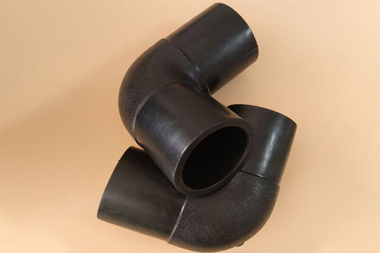
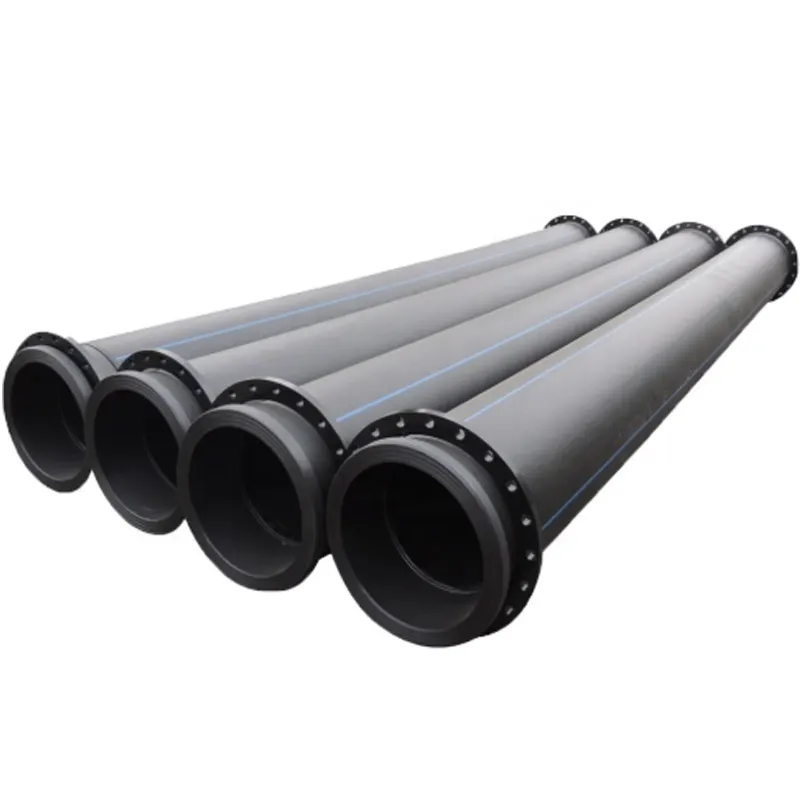
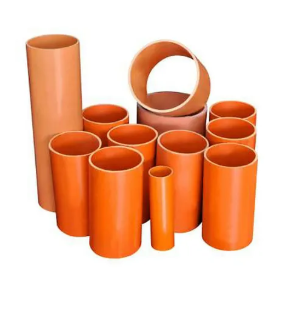
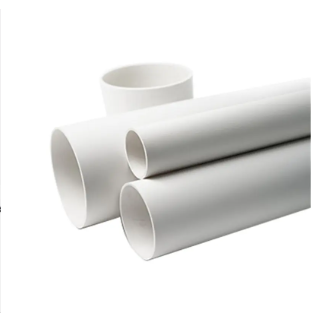
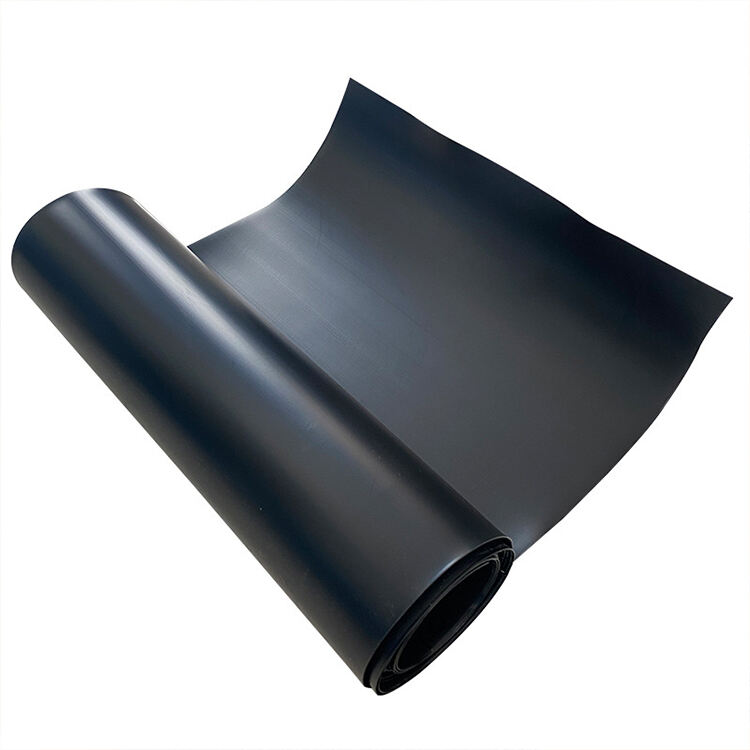
HDPE Pipe Flexibility: Superior Performance and Installation Advantages for Modern Infrastructure

Get a Free Quote

Our representative will contact you soon.
Email
Mobile
Name
Message
0/1000

hdpe pipe flexibility

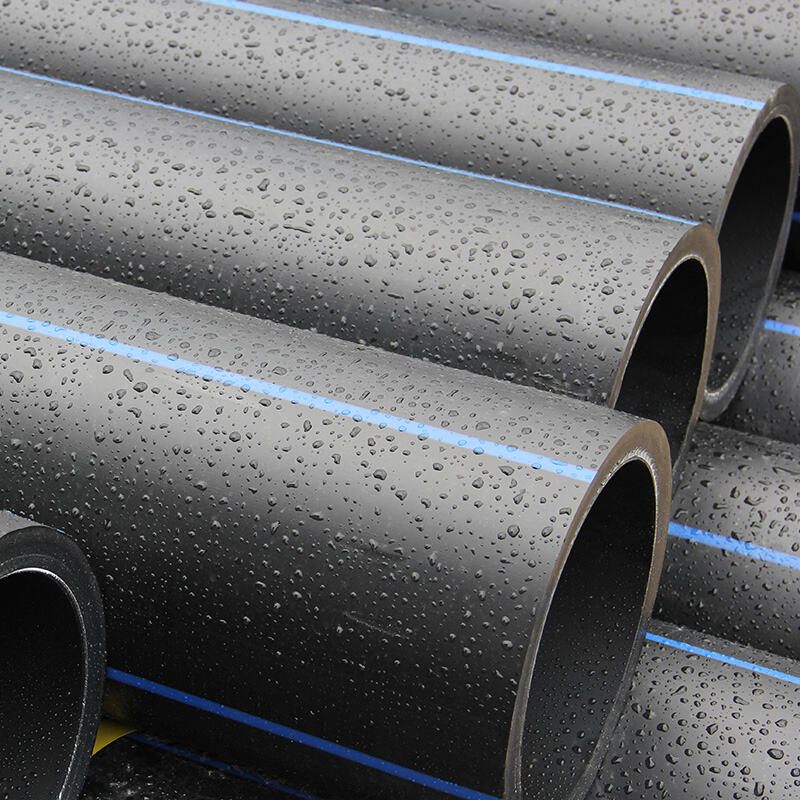
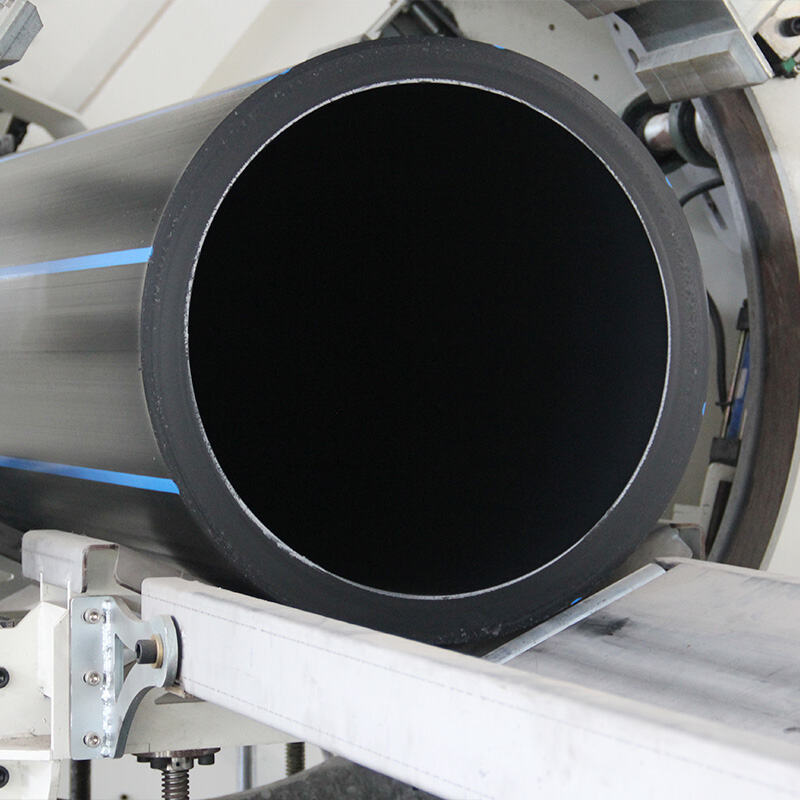
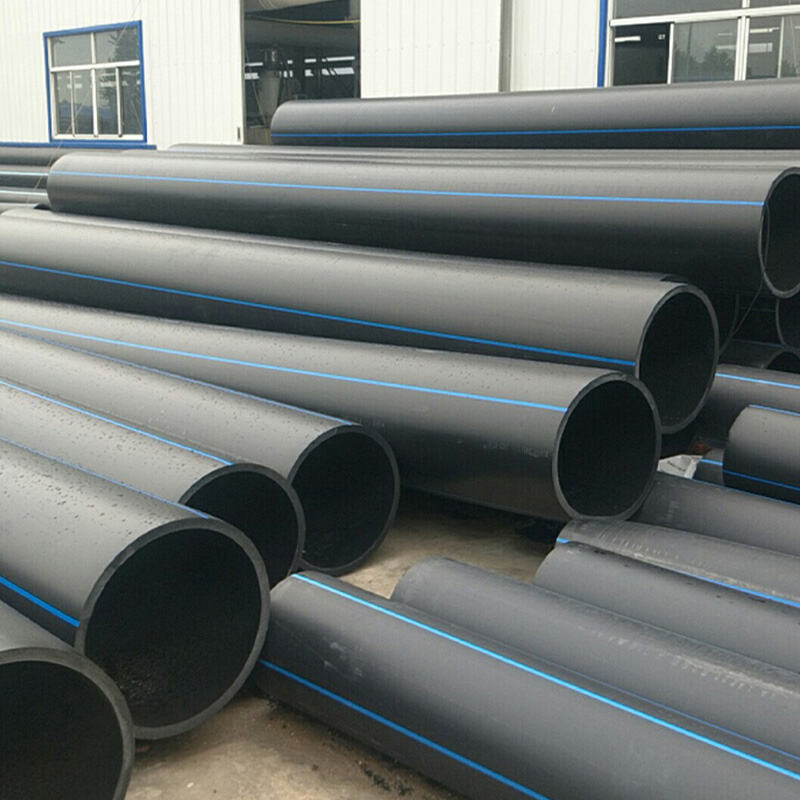
HDPE pipe flexibility represents one of the most significant advantages in modern piping systems, offering unparalleled adaptability for diverse infrastructure projects. High-density polyethylene pipes demonstrate remarkable bendability that allows them to conform to challenging terrain conditions without compromising structural integrity. This hdpe pipe flexibility stems from the material's unique molecular structure, which creates a balance between strength and malleability that traditional rigid pipes cannot match. The flexibility characteristics enable these pipes to withstand ground movement, thermal expansion, and seismic activity while maintaining optimal flow performance. Engineers and contractors increasingly rely on hdpe pipe flexibility to navigate complex installation routes, reduce the need for fittings, and minimize potential leak points in pipeline systems. The technological features of flexible HDPE pipes include superior impact resistance, excellent chemical compatibility, and outstanding fatigue resistance under cyclic loading conditions. These pipes can bend to radii significantly smaller than conventional materials, allowing for curved installations that follow natural contours or avoid underground obstacles. The main functions of hdpe pipe flexibility include accommodating differential settlement, absorbing shock loads, and providing stress relief in long pipeline runs. Applications span across municipal water distribution, natural gas transmission, telecommunications conduit systems, and industrial process piping where adaptability is crucial. The flexibility also enables trenchless installation methods such as horizontal directional drilling and pipe bursting, reducing excavation costs and environmental disruption. Modern manufacturing techniques ensure that hdpe pipe flexibility maintains consistent performance across varying temperature ranges, from arctic conditions to desert environments. Quality control measures guarantee that the flexibility properties remain stable throughout the pipe's expected service life, providing reliable performance for decades. This combination of technological advancement and practical functionality makes HDPE pipes the preferred choice for projects requiring both durability and adaptability in challenging installation conditions.

New Products

The advantages of hdpe pipe flexibility create substantial value for construction projects and infrastructure development through multiple practical benefits that directly impact project costs and long-term performance. First, the inherent bendability reduces installation complexity significantly, allowing crews to navigate around existing utilities, geological formations, and property boundaries without extensive excavation work. This hdpe pipe flexibility eliminates the need for numerous elbow fittings and coupling joints that would otherwise be required with rigid piping systems, directly reducing material costs and potential failure points. Projects experience faster installation times because flexible pipes can follow curved paths in single continuous runs rather than requiring multiple straight sections connected by fittings. The labor savings translate into reduced project timelines and lower overall construction expenses, making hdpe pipe flexibility a cost-effective solution for budget-conscious projects. Another significant advantage involves the superior resistance to ground movement and seismic activity that hdpe pipe flexibility provides. Unlike rigid pipes that crack or break under stress, flexible HDPE pipes absorb movement and return to their original shape, preventing costly repairs and service interruptions. This resilience proves especially valuable in areas prone to soil settlement, freeze-thaw cycles, or earthquake activity where traditional piping systems often fail. The flexibility also accommodates thermal expansion and contraction without creating excessive stress on pipe joints or connections, ensuring long-term system reliability. Maintenance advantages emerge from the self-healing properties that hdpe pipe flexibility enables, as minor deformations from external forces typically resolve without permanent damage. The smooth interior surface combined with flexibility maintains optimal flow characteristics even when pipes bend around obstacles, preventing pressure drops that could affect system performance. Installation versatility represents another key advantage, as hdpe pipe flexibility supports various trenchless technologies including horizontal directional drilling, pipe ramming, and microtunneling methods. These techniques minimize surface disruption in urban environments, preserve landscaping, and reduce traffic interference during construction. Environmental benefits stem from reduced excavation requirements and the ability to avoid sensitive ecological areas by routing pipes around rather than through protected zones. The chemical resistance inherent in HDPE materials combines with flexibility to create piping systems that withstand aggressive soil conditions and industrial environments without degradation. Long-term cost benefits accumulate through reduced maintenance requirements, extended service life, and lower replacement costs compared to rigid alternatives that require frequent repairs or complete system overhauls.

Latest News

HDPE Fitting: A key component for connecting future pipeline systems

18

Sep

HDPE Fitting: A key component for connecting future pipeline systems

View More
Maximizing Efficiency with Dredging Pipelines: A Comprehensive Guide

24

Jun

Maximizing Efficiency with Dredging Pipelines: A Comprehensive Guide

Explore the role of booster pumps in optimizing dredging pipeline efficiency, enhancing slurry velocity, and reducing operational costs. Understand strategic placement, calculate critical velocities, and delve into advanced technologies for modern dredging operations using HDPE solutions.
View More
Choosing the Right HDPE Pipes for Your Industrial Applications

24

Jun

Choosing the Right HDPE Pipes for Your Industrial Applications

Discover the core selection criteria for industrial HDPE pipes, including pressure and temperature specifications, chemical resistance, and application-specific considerations for industries like water management, oil & gas, and mining operations. Learn about HDPE's advantages in corrosion resistance, long-term durability, and environmental impact, along with best practices for installation and maintenance. Perfect for those seeking sustainable and efficient industrial solutions.
View More
HDPE Pipes: The Environmental Benefits of a Sustainable Piping Material

24

Jun

HDPE Pipes: The Environmental Benefits of a Sustainable Piping Material

Discover the environmental and economic benefits of HDPE recycled materials in supporting a circular economy, with advantages in durability, low carbon footprint, and applications in municipal systems and renewable energy.
View More

Get a Free Quote

Our representative will contact you soon.
Email
Mobile
Name
Message
0/1000

hdpe pipe flexibility

Superior Seismic and Ground Movement Resistance

Superior Seismic and Ground Movement Resistance

The exceptional seismic resistance capabilities of hdpe pipe flexibility provide unmatched protection against ground movement, earthquakes, and soil settlement that commonly damage traditional rigid piping systems. This flexibility allows HDPE pipes to absorb and dissipate seismic energy through controlled deformation rather than catastrophic failure, making them ideal for regions with high earthquake risk or unstable soil conditions. When seismic forces occur, the hdpe pipe flexibility enables the entire pipeline to move as a cohesive unit, bending and flexing with ground motion while maintaining structural integrity and preventing breaks that could cause service disruptions or environmental contamination. Engineering studies demonstrate that flexible HDPE pipes can withstand ground displacements exceeding several inches without permanent damage, far surpassing the capabilities of concrete, steel, or cast iron alternatives. The molecular structure of high-density polyethylene creates a memory effect where pipes return to their original configuration after stress removal, ensuring long-term performance even after multiple seismic events. This characteristic proves invaluable for critical infrastructure applications such as water treatment facilities, hospitals, and emergency services where uninterrupted service is essential. The hdpe pipe flexibility also accommodates differential settlement that occurs when structures or pipeline sections settle at different rates due to varying soil conditions or loading patterns. Traditional rigid pipes often crack or separate at joints when subjected to uneven settlement, requiring expensive repairs and system shutdowns. In contrast, flexible HDPE pipes adapt to these conditions by gradually conforming to new positions without compromising the pressure boundary or flow capacity. Freeze-thaw cycling, which causes significant ground movement in cold climates, presents another challenge effectively addressed by hdpe pipe flexibility. As soil expands and contracts with temperature changes, flexible pipes accommodate these movements without the brittleness and cracking associated with rigid materials. The impact resistance of flexible HDPE pipes provides additional protection against external forces such as construction equipment, rock impacts during backfilling, and hydrostatic pressure variations. This comprehensive resistance to various ground movement scenarios reduces maintenance costs, extends system lifespan, and ensures reliable service delivery under challenging environmental conditions that would compromise less flexible piping systems.

Streamlined Installation and Reduced Fitting Requirements

Streamlined Installation and Reduced Fitting Requirements

The installation advantages provided by hdpe pipe flexibility revolutionize pipeline construction by dramatically reducing the number of fittings, joints, and connections required for complex routing scenarios. Traditional rigid piping systems necessitate numerous elbow fittings, tees, and couplings to navigate around obstacles or follow curved paths, creating multiple potential leak points and increasing both material and labor costs. The remarkable hdpe pipe flexibility allows single continuous pipe runs to bend around obstacles, follow natural terrain contours, and accommodate directional changes without requiring intermediate fittings. This capability reduces material costs by eliminating expensive fittings and specialized connection hardware while simultaneously decreasing installation time through simplified assembly procedures. Construction crews can complete installations faster when working with flexible pipes because fewer connections mean fewer welding or joining operations, reduced quality control checkpoints, and minimized risk of installation errors. The hdpe pipe flexibility enables innovative installation techniques such as horizontal directional drilling, where pipes must navigate curved bore paths that would be impossible with rigid materials. These trenchless methods preserve surface conditions, minimize traffic disruption, and reduce environmental impact compared to traditional open-cut installation approaches. The flexibility also facilitates pipe pulling operations where continuous lengths are drawn through existing conduits or directional drill holes, eliminating the need for intermediate connections that could snag or fail during installation. Quality control benefits emerge from the reduced number of joints and connections, as each fitting represents a potential failure point requiring inspection, testing, and ongoing maintenance throughout the system's operational life. By minimizing these connections through hdpe pipe flexibility, projects achieve higher reliability ratings and lower long-term maintenance requirements. The ability to pre-fabricate curved sections or custom routing configurations in controlled environments further enhances installation efficiency and quality assurance. Temperature considerations during installation become less critical with flexible pipes because they accommodate thermal expansion and contraction without creating excessive stress on connections or supports. This characteristic allows construction schedules to proceed in various weather conditions without compromising system integrity. The hdpe pipe flexibility also simplifies tie-in procedures when connecting new pipeline sections to existing infrastructure, as the pipes can flex to accommodate slight misalignments or elevation differences that would require complex fitting arrangements with rigid systems.
Enhanced Flow Performance and System Efficiency

Enhanced Flow Performance and System Efficiency

The flow performance advantages created by hdpe pipe flexibility contribute significantly to overall system efficiency through maintained hydraulic characteristics even when pipes bend to accommodate installation requirements or ground movement. Unlike rigid piping systems where directional changes require elbow fittings that create turbulence and pressure losses, the smooth curves possible with hdpe pipe flexibility maintain laminar flow conditions and optimal pressure distribution throughout the pipeline network. The smooth interior surface of HDPE material combined with gradual directional changes preserves flow velocity profiles and minimizes energy losses that occur at sharp transitions or fittings in conventional systems. This enhanced flow efficiency translates directly into reduced pumping costs and improved system capacity, providing long-term operational savings that offset initial installation investments. The hdpe pipe flexibility allows designers to optimize pipeline routing for hydraulic performance rather than being constrained by the limitations of rigid materials that require numerous fittings to change direction. System designers can create flowing curves that follow natural gradients and minimize elevation changes, reducing the need for pumping stations or pressure-boosting equipment. The absence of internal protrusions from fittings and connections eliminates flow disturbances that can cause cavitation, erosion, or sediment accumulation in other piping systems. Maintenance advantages emerge from the self-cleaning properties enhanced by hdpe pipe flexibility, as the smooth continuous bore prevents debris accumulation at connection points and allows natural flow velocities to transport particles effectively. The flexibility also enables periodic hydrostatic testing and cleaning operations without concern for joint separation or fitting displacement under pressure variations. Pipeline surge protection benefits significantly from hdpe pipe flexibility because the material can absorb pressure waves and water hammer effects that damage rigid systems. The inherent dampening characteristics reduce stress on pumps, valves, and control equipment while preventing the catastrophic failures associated with pressure surges in inflexible pipelines. Temperature effects on flow performance remain minimal due to the thermal expansion accommodation provided by hdpe pipe flexibility, ensuring consistent hydraulic characteristics across seasonal temperature variations. The chemical compatibility of HDPE material prevents internal corrosion or scale buildup that reduces flow capacity in metal pipes, while the flexibility allows periodic maintenance access without system modifications. Long-term flow performance stability results from the material's resistance to fatigue and stress cracking under cyclic pressure loading, conditions that gradually degrade rigid piping systems and reduce their hydraulic efficiency over time.
Inquiry HDPE Pipe Flexibility: Superior Performance and Installation Advantages for Modern Infrastructure Inquiry HDPE Pipe Flexibility: Superior Performance and Installation Advantages for Modern Infrastructure HDPE Pipe Flexibility: Superior Performance and Installation Advantages for Modern Infrastructure HDPE Pipe Flexibility: Superior Performance and Installation Advantages for Modern Infrastructure
Write down your question

We are not only a product manufacturer, but also a solution provider. Whether you have questions or quotation requests, we will help you.

Get a Quote

Contact Us

Your email address will not be published. Required fields are marked *
Email
Name
Mobile
Message
0/1000