Premium HDPE Pipes: Durable, Efficient Piping Solutions for Industrial and Municipal Applications

Get a Free Quote

Our representative will contact you soon.
Email
Mobile
Name
Message
0/1000

hdpe pipes

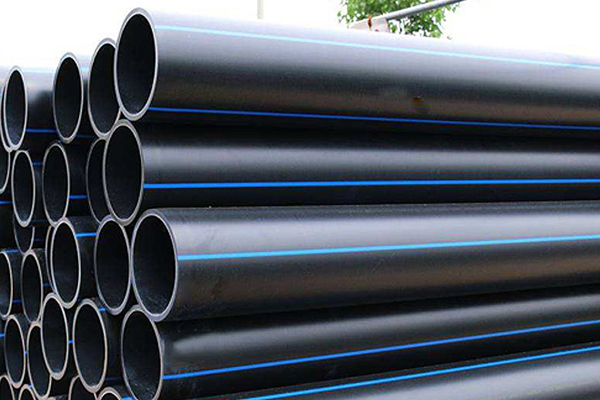
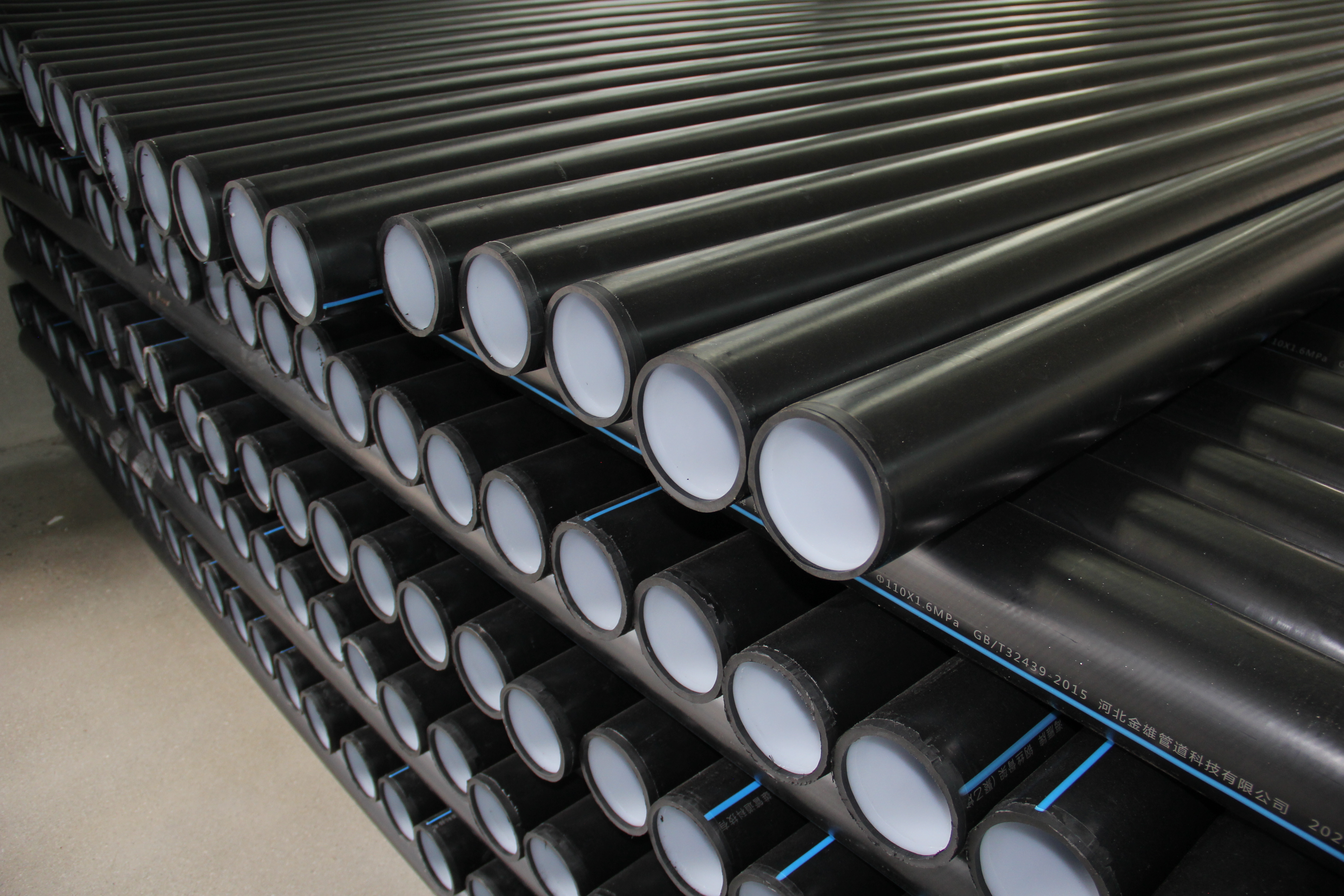
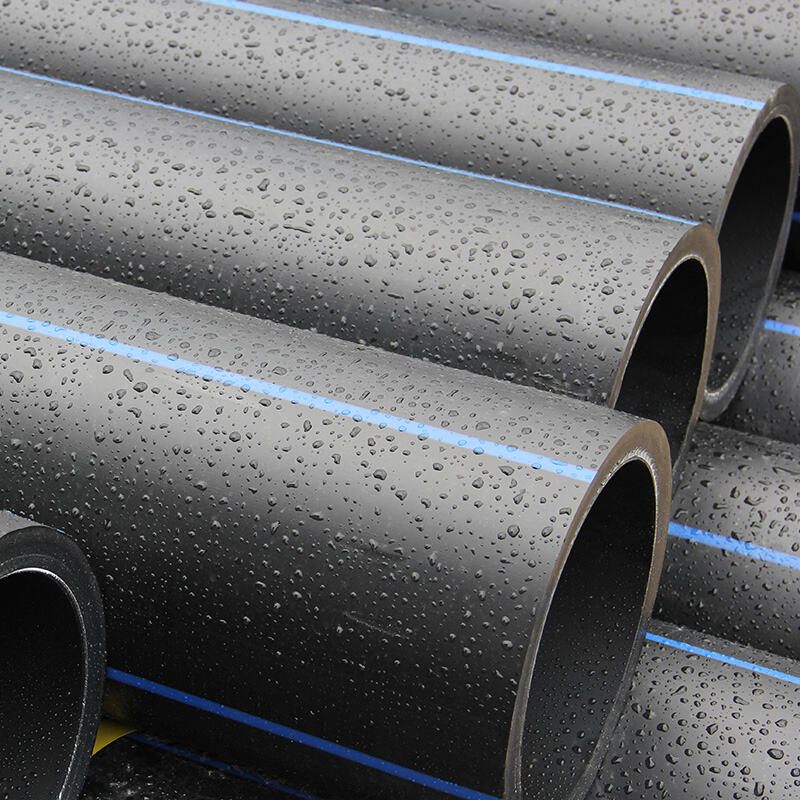
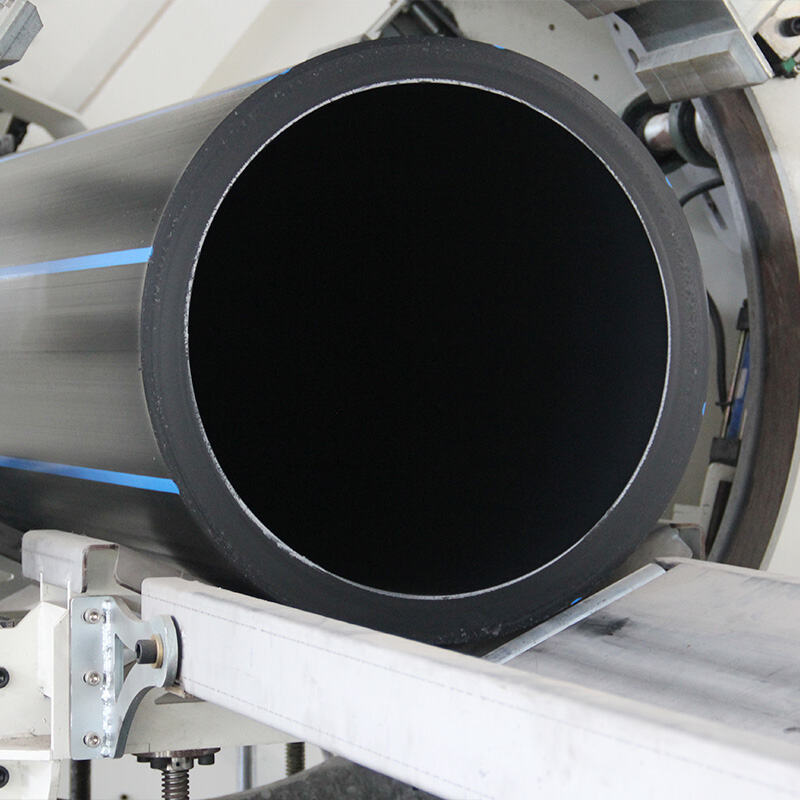
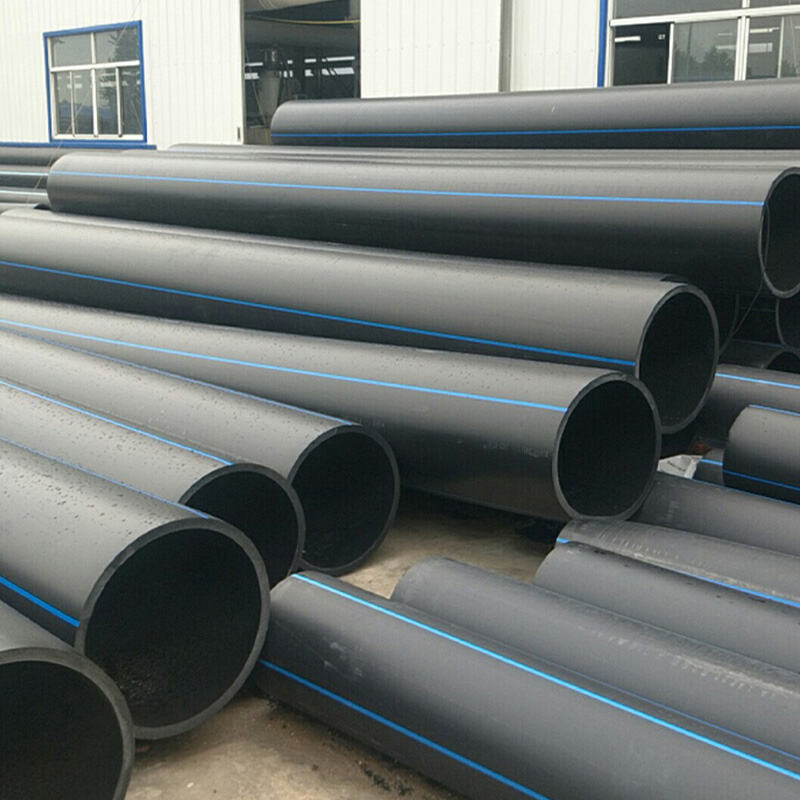
HDPE pipes represent a revolutionary advancement in modern piping systems, manufactured from high-density polyethylene that delivers exceptional performance across diverse applications. These innovative pipes serve as the backbone for water distribution networks, gas transmission systems, and industrial fluid transport solutions worldwide. The primary functions of HDPE pipes encompass potable water delivery, wastewater management, natural gas distribution, and chemical transfer operations in various industries. Their technological features include superior molecular structure that provides enhanced strength-to-weight ratios, making them lighter yet stronger than traditional materials. The manufacturing process involves advanced extrusion techniques that create seamless pipe walls with consistent thickness and diameter precision. HDPE pipes demonstrate remarkable flexibility, allowing installation in challenging terrains without compromising structural integrity. Their smooth interior surface reduces friction losses, improving flow efficiency and reducing energy consumption in pumping systems. The material exhibits excellent resistance to environmental stress cracking, ensuring long-term reliability under varying pressure conditions. Applications span municipal water systems, agricultural irrigation networks, mining operations, marine outfalls, and residential plumbing installations. Industrial applications include chemical processing plants, food and beverage facilities, and pharmaceutical manufacturing where purity and contamination prevention are critical. The joining methods for HDPE pipes include heat fusion welding, electrofusion coupling, and mechanical connections, providing versatile installation options for different project requirements. These pipes maintain their performance characteristics across temperature ranges from -40°C to 60°C, making them suitable for diverse climatic conditions. The material's inherent properties resist bacterial growth and biofilm formation, maintaining water quality throughout distribution systems. Environmental considerations make HDPE pipes increasingly popular, as they are fully recyclable and contribute to sustainable infrastructure development practices.


New Product Releases

HDPE pipes offer compelling advantages that transform infrastructure projects and deliver measurable benefits to users across all sectors. The corrosion resistance of these pipes eliminates the deterioration problems that plague metal alternatives, resulting in maintenance-free operation for decades. Unlike steel or iron pipes that rust and degrade over time, HDPE pipes maintain their structural integrity and flow capacity throughout their service life. This resistance extends to chemical exposure, making them ideal for transporting aggressive fluids without material degradation or contamination risks. The lightweight nature of HDPE pipes reduces transportation costs and simplifies installation procedures, requiring less heavy machinery and smaller crews for project completion. Installation teams can handle longer pipe sections manually, reducing joint requirements and potential leak points in the system. The flexibility of HDPE pipes allows them to bend and flex with ground movement, preventing catastrophic failures during earthquakes or soil settlement that would crack rigid materials. This adaptability reduces repair costs and service disruptions, particularly valuable in areas with unstable soil conditions. The smooth interior surface of HDPE pipes maintains consistent flow rates and reduces energy consumption in pumping applications by minimizing friction losses. This efficiency translates to lower operational costs over the pipe's lifetime, providing significant savings for municipalities and industrial facilities. The leak-tight joint systems available for HDPE pipes create permanent connections that eliminate water loss, protecting valuable resources and reducing operational expenses. Environmental benefits include the complete recyclability of HDPE material, supporting circular economy principles and reducing landfill waste. The manufacturing process requires less energy compared to metal pipe production, contributing to reduced carbon footprint for infrastructure projects. The longevity of HDPE pipes, with service lives exceeding 100 years under proper conditions, provides exceptional return on investment for infrastructure developers. These pipes resist freeze-thaw cycles without cracking, eliminating costly winter damage repairs common with other materials. The material's resistance to abrasion and wear ensures consistent performance even when transporting slurries or particulate-laden fluids. Chemical inertness prevents taste and odor transfer in potable water applications, maintaining water quality from source to consumer. The proven track record of HDPE pipes in challenging applications worldwide demonstrates their reliability and performance consistency across diverse operating conditions.

Practical Tips

Pressure test of PE steel mesh skeleton

14

Sep

Pressure test of PE steel mesh skeleton

View More
 Ensuring Integrity in PE Steel Wire Mesh Skeleton Systems Through Pressure Testing

14

Sep

Ensuring Integrity in PE Steel Wire Mesh Skeleton Systems Through Pressure Testing

View More
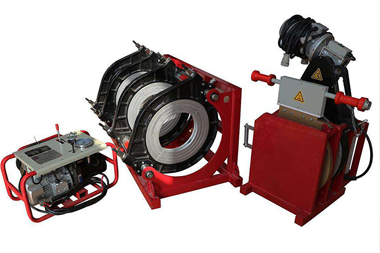
HDPE Welding Machine: A technological tool that shapes a new era of pipeline connection

18

Sep

HDPE Welding Machine: A technological tool that shapes a new era of pipeline connection

View More
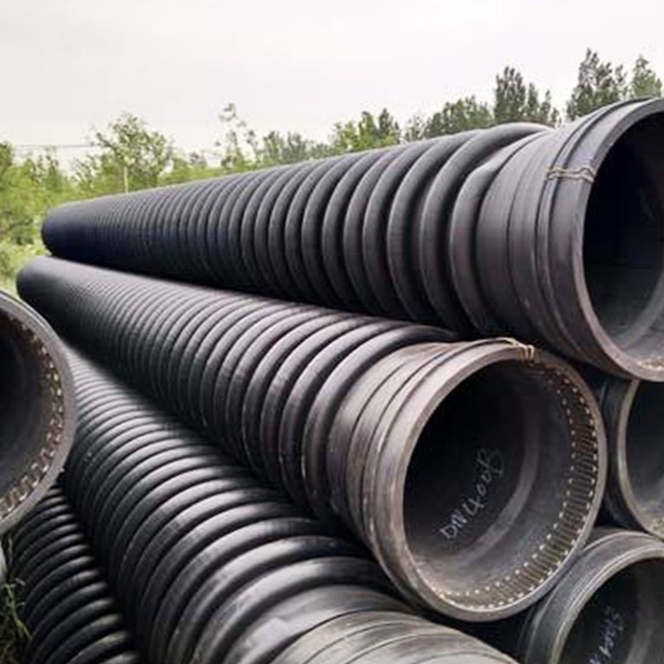
Krah Pipes: The Ultimate Solution for Large-Scale Drainage Projects

30

Jun

Krah Pipes: The Ultimate Solution for Large-Scale Drainage Projects

Explore the advantages of Krah Pipes in drainage systems. Learn how their high ring stiffness, lightweight design, and adaptability make them ideal for large-scale projects, providing cost-effective and durable solutions.
View More

Get a Free Quote

Our representative will contact you soon.
Email
Mobile
Name
Message
0/1000

hdpe pipes

Exceptional Durability and Longevity Performance

Exceptional Durability and Longevity Performance

The outstanding durability of HDPE pipes stems from their advanced molecular structure and manufacturing processes that create products designed to last for generations. These pipes demonstrate exceptional resistance to environmental stress cracking, a critical failure mode that affects many plastic materials under sustained pressure and chemical exposure. The high-density polyethylene material maintains its mechanical properties even after decades of service, ensuring consistent performance throughout the pipe's operational life. Laboratory testing and field experience confirm that properly installed HDPE pipes can serve reliably for over 100 years, making them one of the most cost-effective infrastructure investments available today. The material's inherent flexibility allows it to accommodate ground movement, thermal expansion, and dynamic loading without developing stress concentrations that lead to premature failure. This flexibility proves particularly valuable in seismic zones where rigid pipes often fail catastrophically during earth movements. The resistance to fatigue failure under cyclic loading conditions makes HDPE pipes ideal for applications with varying pressure conditions, such as water distribution systems with daily demand fluctuations. The pipes maintain their structural integrity even when subjected to surge pressures that would damage other materials. The smooth surface finish of HDPE pipes resists scaling and buildup that can reduce flow capacity over time, ensuring consistent hydraulic performance throughout the service life. Unlike metal pipes that gradually lose capacity due to corrosion and tuberculation, HDPE pipes maintain their full bore diameter and flow characteristics. The material's resistance to biological attack prevents the deterioration that affects some plastic materials in soil environments containing aggressive bacteria or fungi. This biological resistance, combined with chemical inertness, ensures that HDPE pipes maintain their structural properties even in challenging subsurface conditions. The proven performance of HDPE pipes in extreme applications, from Arctic permafrost to tropical climates, demonstrates their versatility and reliability across diverse environmental conditions. Field studies of HDPE pipes installed decades ago show minimal degradation and continued excellent performance, validating the long-term durability claims and providing confidence for future installations.
Superior Installation Efficiency and Cost Savings

Superior Installation Efficiency and Cost Savings

The installation advantages of HDPE pipes deliver substantial cost savings and project timeline reductions that benefit contractors, municipalities, and industrial facilities. The lightweight characteristics of HDPE pipes enable smaller crews to handle installation tasks that would require heavy equipment and larger teams for traditional materials. This weight advantage translates directly to reduced labor costs and faster project completion times, particularly important for projects with tight schedules or budget constraints. The flexibility of HDPE pipes allows installation using trenchless methods such as horizontal directional drilling, pipe bursting, and slip lining techniques that minimize surface disruption and restoration costs. These advanced installation methods prove especially valuable in urban environments where open-cut installation would disrupt traffic, damage pavement, or interfere with existing utilities. The heat fusion joining process creates permanent, leak-proof connections that are stronger than the pipe itself, eliminating the ongoing maintenance costs associated with mechanical joints that can loosen or fail over time. Fusion joints require no gaskets, bolts, or other components that might deteriorate, ensuring long-term system integrity without periodic replacement or adjustment. The coil availability of smaller diameter HDPE pipes reduces the number of joints required for long runs, further improving installation efficiency and reducing potential leak points in the system. Installation crews can lay continuous lengths of pipe over considerable distances, eliminating numerous joints that would be required with rigid materials supplied in fixed lengths. The resistance of HDPE pipes to handling damage during installation reduces material waste and eliminates delays caused by replacing damaged sections. The pipes can withstand the stresses of installation without developing micro-cracks or other defects that might compromise long-term performance. The compatibility of HDPE pipes with various bedding materials and installation techniques provides flexibility in construction methods, allowing contractors to optimize procedures for specific site conditions. The pipes perform reliably whether installed in sand, native soil, or controlled low-strength materials, simplifying backfill requirements and reducing material costs. The ability to pressure test HDPE pipe systems immediately after installation provides instant verification of system integrity, allowing projects to proceed without extended curing or waiting periods required for other materials.
Outstanding Chemical Resistance and Safety Features

Outstanding Chemical Resistance and Safety Features

The exceptional chemical resistance of HDPE pipes makes them the preferred choice for demanding applications where material compatibility and safety are paramount considerations. These pipes demonstrate remarkable inertness to a wide range of chemicals, acids, bases, and solvents that would rapidly degrade other piping materials, ensuring safe and reliable transport of diverse fluids. The molecular structure of high-density polyethylene creates a barrier that prevents chemical penetration and degradation, maintaining pipe integrity even in aggressive chemical environments. This resistance extends to common soil chemicals, groundwater contaminants, and industrial process fluids that can attack metal or concrete pipes. The non-toxic nature of HDPE material ensures that it will not leach harmful substances into transported fluids, making it ideal for potable water systems and food-grade applications where purity is critical. Regulatory approvals from health authorities worldwide confirm the safety of HDPE pipes for drinking water applications, providing assurance to municipalities and consumers about water quality protection. The smooth interior surface of HDPE pipes resists bacterial adhesion and biofilm formation, reducing the risk of contamination and maintaining microbiological water quality throughout distribution systems. This antimicrobial property eliminates the need for aggressive disinfection procedures that can damage other piping materials or create harmful byproducts. The electrical resistivity of HDPE pipes provides natural protection against galvanic corrosion and stray current damage that can severely impact metal piping systems, particularly in industrial environments or areas with electrical infrastructure. The non-conductive properties also enhance safety for workers during installation and maintenance activities around electrical equipment. The resistance to oxidation and UV degradation, when properly formulated with stabilizers, allows HDPE pipes to perform reliably in above-ground installations without the protective coatings required for other materials. The material's ability to handle thermal cycling without degradation ensures consistent performance in applications with temperature variations, from heated process fluids to seasonal temperature changes in buried installations. The proven compatibility of HDPE pipes with disinfection chemicals used in water treatment ensures that system integrity is maintained during routine disinfection procedures, unlike some materials that can be damaged by chlorine or other oxidizing agents. The inherent safety features of HDPE pipes, including their resistance to brittle failure modes and their ability to absorb impact energy, provide additional protection against catastrophic failures that could endanger personnel or cause environmental damage.
Inquiry Premium HDPE Pipes: Durable, Efficient Piping Solutions for Industrial and Municipal Applications Inquiry Premium HDPE Pipes: Durable, Efficient Piping Solutions for Industrial and Municipal Applications Premium HDPE Pipes: Durable, Efficient Piping Solutions for Industrial and Municipal Applications Premium HDPE Pipes: Durable, Efficient Piping Solutions for Industrial and Municipal Applications
Write down your question

We are not only a product manufacturer, but also a solution provider. Whether you have questions or quotation requests, we will help you.

Get a Quote

Contact Us

Your email address will not be published. Required fields are marked *
Email
Name
Mobile
Message
0/1000