PE Sewer Pipe: Advanced Polyethylene Solutions for Modern Wastewater Systems

Get a Free Quote

Our representative will contact you soon.
Email
Mobile
Name
Message
0/1000

pe sewer pipe

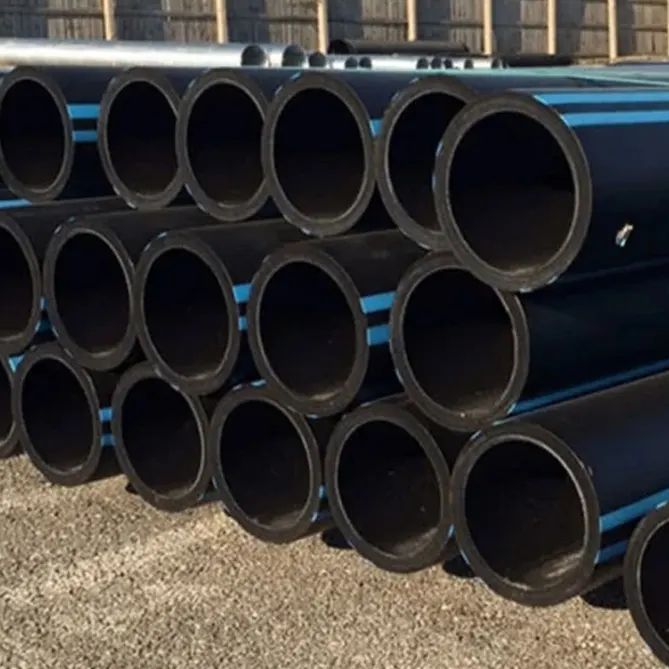
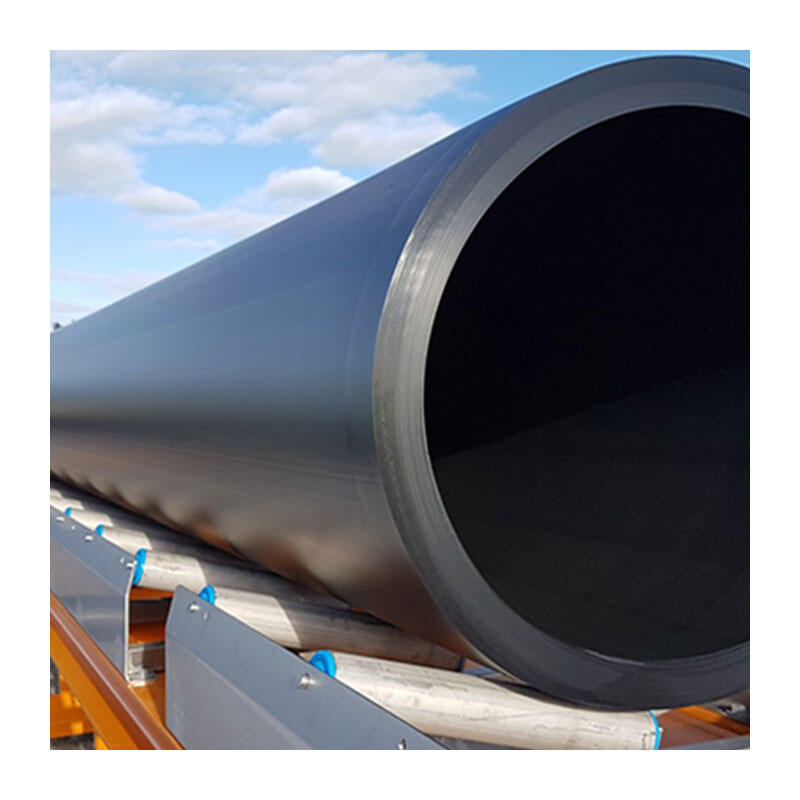
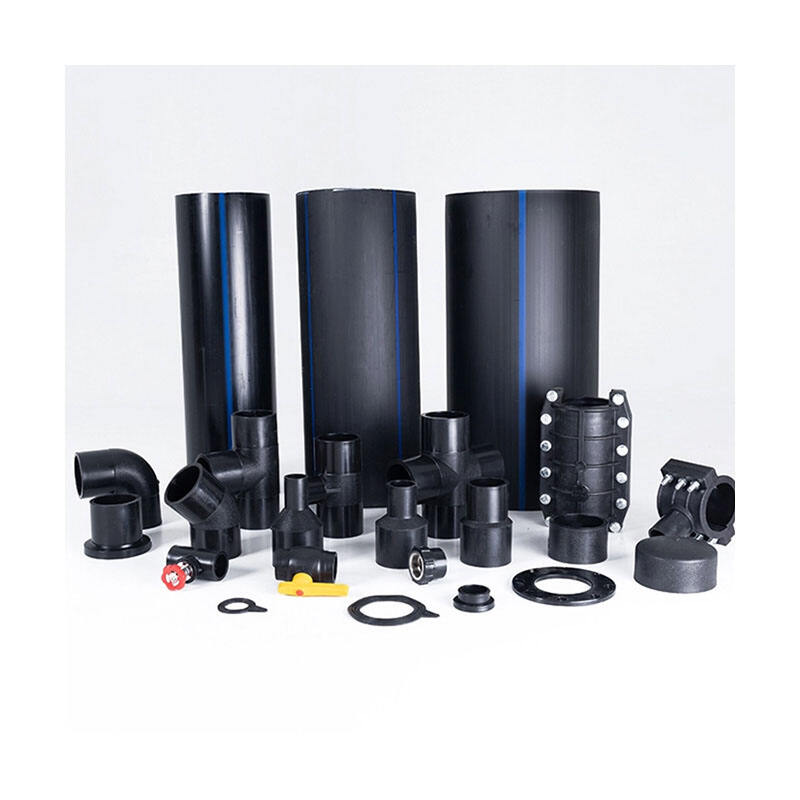
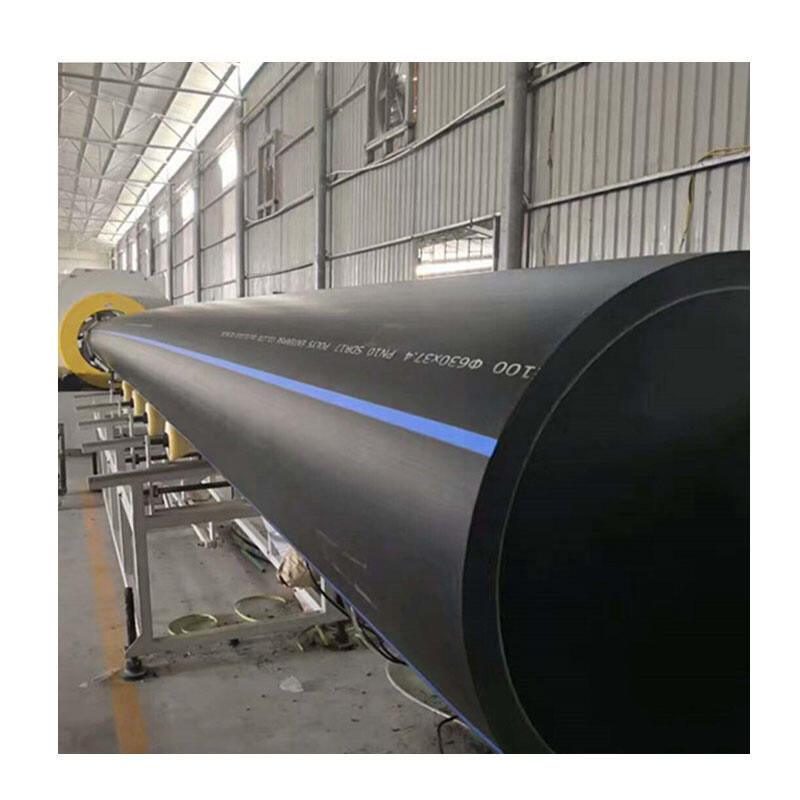
Polyethylene sewer pipe, commonly known as PE sewer pipe, represents a modern evolution in municipal and residential wastewater management systems. This advanced piping solution utilizes high-density polyethylene materials engineered specifically for sewage applications, delivering exceptional performance in challenging underground environments. The PE sewer pipe serves as the backbone of contemporary drainage infrastructure, efficiently transporting wastewater from residential, commercial, and industrial sources to treatment facilities. Its primary function involves collecting and conveying sewage through gravity flow systems, ensuring reliable waste removal while maintaining structural integrity over extended service periods. The technological foundation of PE sewer pipe rests on advanced polymer science, incorporating specialized additives that enhance chemical resistance and mechanical properties. Modern manufacturing processes create smooth interior surfaces that optimize hydraulic efficiency, reducing friction losses and maintaining consistent flow rates. The pipe's molecular structure provides inherent flexibility, allowing it to adapt to ground movement and thermal expansion without compromising performance. Quality control measures during production ensure consistent wall thickness and dimensional accuracy, meeting stringent industry standards for sewage applications. PE sewer pipe finds extensive applications across diverse sectors, from residential subdivisions to large-scale municipal projects. Urban planners frequently specify this material for new construction developments, renovation projects, and infrastructure upgrades. The pipe's versatility makes it suitable for various installation methods, including traditional trenching, trenchless technologies, and specialized boring techniques. Industrial facilities utilize PE sewer pipe for process wastewater systems, while agricultural operations employ it for drainage and irrigation management. The pipe's compatibility with modern joining systems enables seamless integration with existing infrastructure, facilitating system expansions and modifications. Environmental considerations drive increased adoption of PE sewer pipe, as its recyclable composition supports sustainable construction practices while delivering long-term performance reliability in wastewater management applications.

New Product Releases

PE sewer pipe offers remarkable cost-effectiveness throughout its entire lifecycle, providing significant savings compared to traditional materials. Installation costs decrease substantially due to the pipe's lightweight construction, reducing equipment requirements and labor intensity during placement. Workers can handle longer sections manually, accelerating project timelines while minimizing heavy machinery needs. The smooth joining process eliminates complex welding procedures, allowing faster connections with reliable sealing performance. Maintenance expenses remain minimal throughout the pipe's service life, as its chemical composition resists common sewage-related degradation factors. Property owners benefit from reduced long-term replacement costs, as PE sewer pipe typically outlasts conventional alternatives by decades. The material's resistance to root intrusion prevents costly blockages that frequently plague traditional pipe systems, eliminating expensive cleaning and repair interventions. Chemical resistance stands as another paramount advantage, protecting the PE sewer pipe from corrosive elements commonly found in wastewater streams. Acidic conditions, alkaline solutions, and organic compounds cannot penetrate the pipe's molecular structure, maintaining structural integrity over time. This resistance extends to industrial applications where harsh chemicals might damage other materials, ensuring consistent performance across diverse operating conditions. The pipe's immunity to electrochemical corrosion eliminates the galvanic reactions that destroy metallic alternatives, particularly in environments with varying soil conditions. Installation flexibility represents a crucial benefit for contractors and engineers working with challenging terrain or space constraints. PE sewer pipe bends naturally around obstacles without requiring additional fittings, reducing joint count and potential failure points. The material's impact resistance withstands installation stresses, including backfilling operations and ground compaction procedures. Temperature variations do not brittle the pipe, maintaining ductility across seasonal changes and geographic locations. Trenchless installation methods become feasible with PE sewer pipe, minimizing surface disruption in established areas. This capability proves invaluable for urban retrofits where excavation would disrupt traffic, landscaping, or existing structures. The pipe's fusion joining creates monolithic systems without mechanical connections, eliminating infiltration and exfiltration concerns. Environmental benefits enhance the PE sewer pipe's appeal for sustainable construction projects, as the material contains no toxic additives that could leach into surrounding soil or groundwater.

Practical Tips

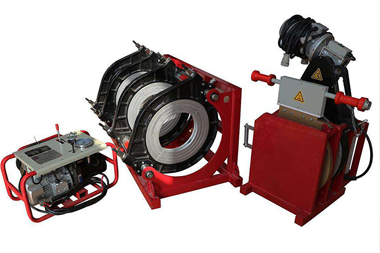
HDPE Welding Machine: A technological tool that shapes a new era of pipeline connection

18

Sep

HDPE Welding Machine: A technological tool that shapes a new era of pipeline connection

View More
Why HDPE Double Wall Corrugated Pipes Are Ideal for Stormwater Management

24

Jun

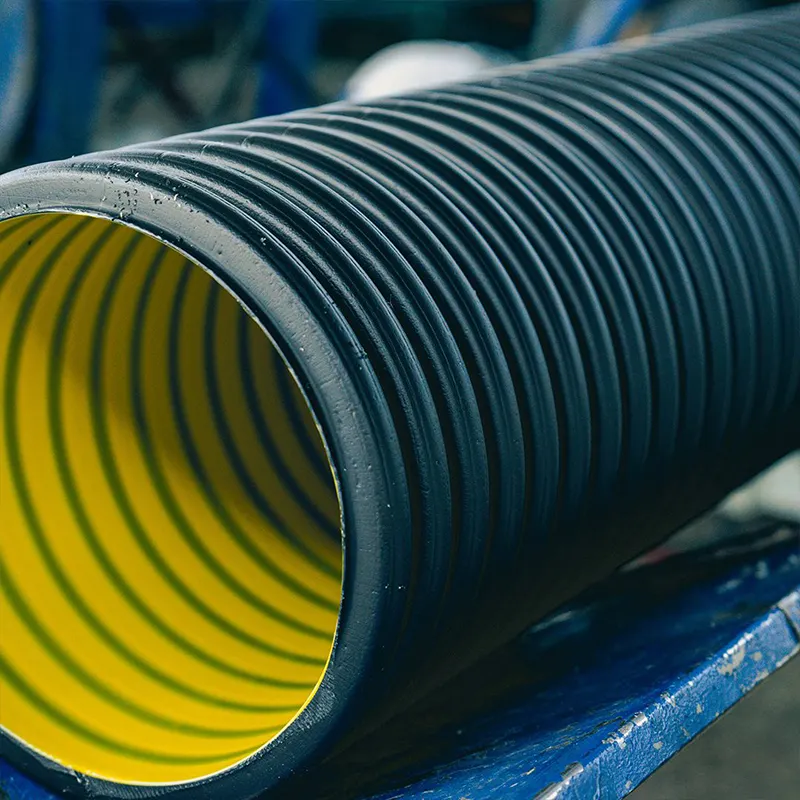
Why HDPE Double Wall Corrugated Pipes Are Ideal for Stormwater Management

Explore the growing significance of stormwater management amid urbanization and climate change. Discover how HDPE double wall corrugated pipes enhance infrastructure resilience, offering superior load-bearing capacity, corrosion resistance, and sustainability benefits.
View More
How to Choose the Right Dredging Pipeline for Your Project

30

Jun

How to Choose the Right Dredging Pipeline for Your Project

Explore the key requirements for dredging pipelines, including sediment type, project scope, and environmental regulations, to ensure optimal performance and compliance with industry standards. Learn about HDPE pipe advantages and considerations for efficient sediment transport.
View More
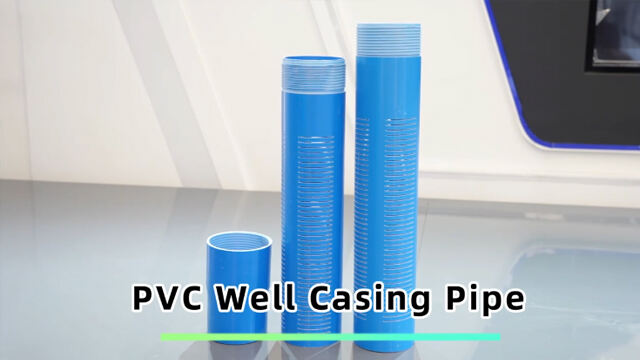
PVC-U Pipes: The Ultimate Solution for Well Construction – Unmatched Performance and Durability

04

Jun

PVC-U Pipes: The Ultimate Solution for Well Construction – Unmatched Performance and Durability

View More

Get a Free Quote

Our representative will contact you soon.
Email
Mobile
Name
Message
0/1000

pe sewer pipe

Superior Durability and Longevity Performance

Superior Durability and Longevity Performance

The exceptional durability of PE sewer pipe stems from its advanced molecular engineering, designed to withstand decades of continuous service in harsh underground environments. Unlike traditional materials that deteriorate through chemical attack or physical wear, PE sewer pipe maintains its structural properties through innovative polymer chains that resist environmental stressors. The material's inherent flexibility allows it to accommodate ground movement, frost heave, and seismic activity without developing stress cracks or joint failures. This adaptability proves crucial in regions with challenging soil conditions, where rigid alternatives often fail prematurely due to ground shifting or settlement. Laboratory testing demonstrates that PE sewer pipe retains over 80 percent of its original strength after 50 years of simulated service conditions, far exceeding industry requirements for municipal infrastructure. The pipe's resistance to fatigue loading ensures reliable performance under varying hydraulic conditions, from normal flow rates to surge events during storm conditions. Chemical aging studies confirm that common sewage constituents, including hydrogen sulfide, organic acids, and alkaline compounds, cannot degrade the pipe's molecular structure. This resistance extends to industrial wastewater applications where concentrated chemicals might rapidly destroy conventional materials. The smooth interior surface of PE sewer pipe maintains its hydraulic efficiency throughout the service life, preventing the roughening that reduces flow capacity in other materials. Biological resistance prevents bacterial colonization from degrading the pipe walls, a common failure mode in organic-based alternatives. The material's UV stability, enhanced through specialized additives, protects exposed sections during storage and installation phases. Root intrusion resistance eliminates a primary cause of sewer system blockages, as tree roots cannot penetrate the pipe's seamless construction. Field installations from the 1970s continue operating at original specifications, providing real-world validation of the material's longevity claims. This proven track record gives municipalities confidence in specifying PE sewer pipe for critical infrastructure projects requiring multi-generational service life. The combination of chemical resistance, mechanical durability, and environmental stability makes PE sewer pipe the optimal choice for sustainable wastewater management systems.
Advanced Installation Efficiency and Versatility

Advanced Installation Efficiency and Versatility

PE sewer pipe revolutionizes installation practices through its unique combination of lightweight construction and advanced joining technologies that dramatically reduce project timelines and costs. The material's density, approximately one-eighth that of concrete alternatives, enables manual handling of extended pipe sections, eliminating crane requirements and reducing site congestion. Installation crews can position longer runs with minimal equipment, decreasing joint count and potential leak points while accelerating project completion. The heat fusion joining process creates molecularly bonded connections stronger than the parent material, forming continuous pipeline systems without mechanical fasteners or gaskets that might fail over time. This welding technique requires only portable equipment, enabling installation in confined spaces where traditional joining methods prove impractical. The process creates permanent, leak-proof seals that eliminate infiltration and exfiltration concerns, protecting groundwater resources while preventing system overloading during wet weather events. Trenchless installation capabilities set PE sewer pipe apart from rigid alternatives, allowing deployment through horizontal directional drilling, pipe bursting, and slip-lining techniques. These methods minimize surface disruption in established areas, preserving landscaping, pavement, and existing utilities while reducing restoration costs. The pipe's flexibility accommodates directional changes without requiring fitted connections, simplifying routing around obstacles and utilities. Installation in challenging conditions becomes feasible through the material's temperature tolerance, maintaining workability in extreme weather when other materials become brittle or unmanageable. The coiled delivery format available for smaller diameters eliminates joints over extended runs, creating truly continuous installations with zero leak potential. Quality control during installation benefits from simplified procedures, as heat fusion creates visible confirmation of proper joining through standardized bead formation. Testing protocols become streamlined, with pressure testing confirming system integrity across entire sections rather than individual joints. The material's impact resistance during backfilling operations prevents damage from compaction equipment or stone contact, common failure causes with brittle alternatives. Specialized fittings integrate seamlessly with straight pipe sections, maintaining hydraulic efficiency while accommodating grade changes and direction modifications. The installation learning curve remains minimal, as standard procedures apply across different diameters and applications, reducing training requirements for installation crews.

Exceptional Hydraulic Efficiency and Flow Optimization

Exceptional Hydraulic Efficiency and Flow Optimization

The hydraulic performance of PE sewer pipe surpasses traditional materials through its molecularly smooth interior surface that maintains optimal flow characteristics throughout the system's service life. The manufacturing process creates uniform wall thickness with surface roughness coefficients significantly lower than concrete, clay, or corrugated alternatives, resulting in reduced friction losses and improved carrying capacity. This smooth surface prevents the tuberculation and mineral buildup that progressively reduce flow capacity in metallic systems, ensuring consistent hydraulic performance over decades of operation. The pipe's circular cross-section provides maximum hydraulic radius for any given diameter, optimizing flow efficiency compared to alternative shapes that might be used in specialized applications. Advanced computational fluid dynamics modeling confirms that PE sewer pipe maintains laminar flow patterns at higher velocities than rough-surface alternatives, reducing turbulence-induced energy losses. The material's chemical inertness prevents interaction with sewage constituents that might create surface deposits or biological films, maintaining the original hydraulic characteristics throughout the service period. Self-cleaning velocities occur at lower flow rates due to the smooth surface, helping prevent sediment accumulation during low-flow periods common in residential collection systems. The pipe's flexibility allows installation with gradual grade changes that optimize hydraulic gradients while avoiding sharp transitions that create turbulence and energy loss. Pressure flow applications benefit from the smooth bore, as friction losses remain consistently low across the operating range, reducing pumping energy requirements in force main applications. The material's thermal properties provide slight expansion accommodation without creating flow restrictions, unlike rigid systems where thermal stress might deform cross-sections. Joint-free installations eliminate hydraulic discontinuities that create turbulence and reduce capacity in segmented systems, providing truly smooth flow paths. Surge pressure resistance prevents hydraulic shock damage during rapid flow changes, protecting system integrity during storm events or operational variations. The pipe's dimensional stability maintains circular cross-sections under soil loading, preventing the deflection that reduces hydraulic capacity in flexible systems with inadequate structural design. Mathematical modeling demonstrates capacity improvements of 15-25 percent compared to traditional materials with equivalent nominal diameters, allowing smaller pipe sizes for equivalent flow requirements. This hydraulic efficiency translates directly into cost savings through reduced excavation requirements and smaller system infrastructure while maintaining performance specifications.
Inquiry PE Sewer Pipe: Advanced Polyethylene Solutions for Modern Wastewater Systems Inquiry PE Sewer Pipe: Advanced Polyethylene Solutions for Modern Wastewater Systems PE Sewer Pipe: Advanced Polyethylene Solutions for Modern Wastewater Systems PE Sewer Pipe: Advanced Polyethylene Solutions for Modern Wastewater Systems
Write down your question

We are not only a product manufacturer, but also a solution provider. Whether you have questions or quotation requests, we will help you.

Get a Quote

Contact Us

Your email address will not be published. Required fields are marked *
Email
Name
Mobile
Message
0/1000