PP FRP Pipe Solutions: Superior Chemical Resistance and Lightweight Strength for Industrial Applications

Get a Free Quote

Our representative will contact you soon.
Email
Mobile
Name
Message
0/1000

pp frp pipe

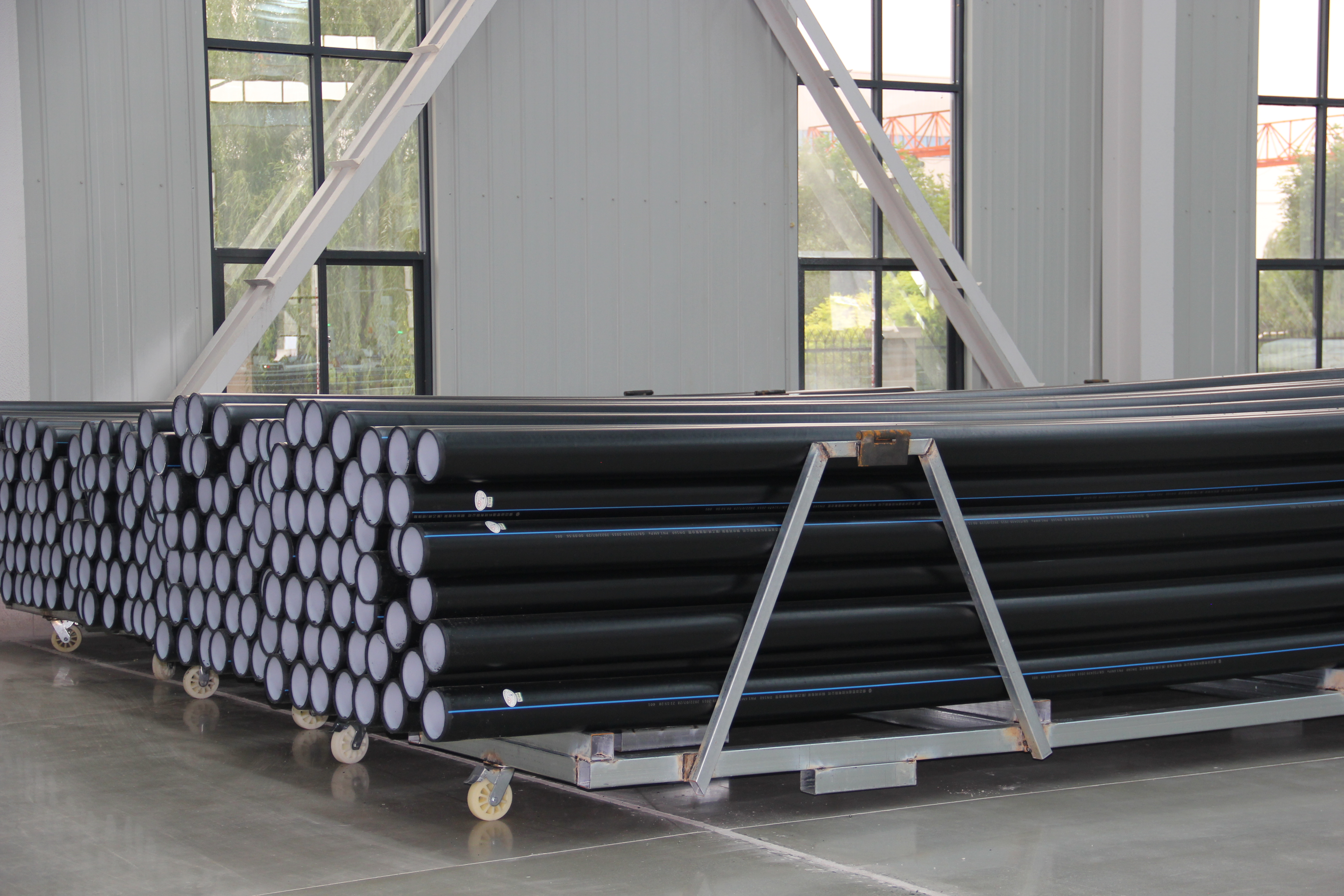
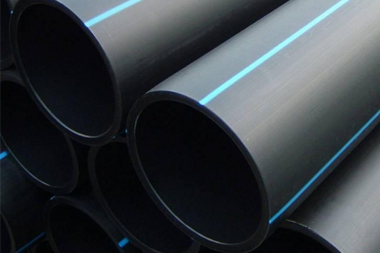
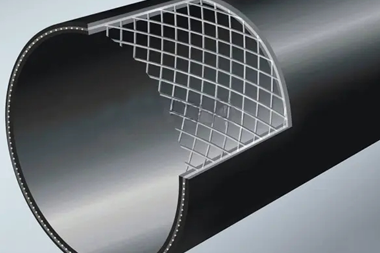
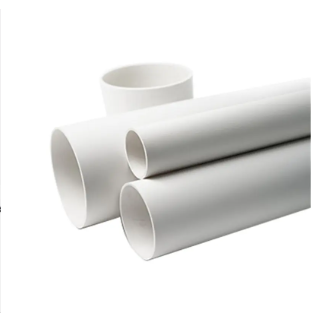
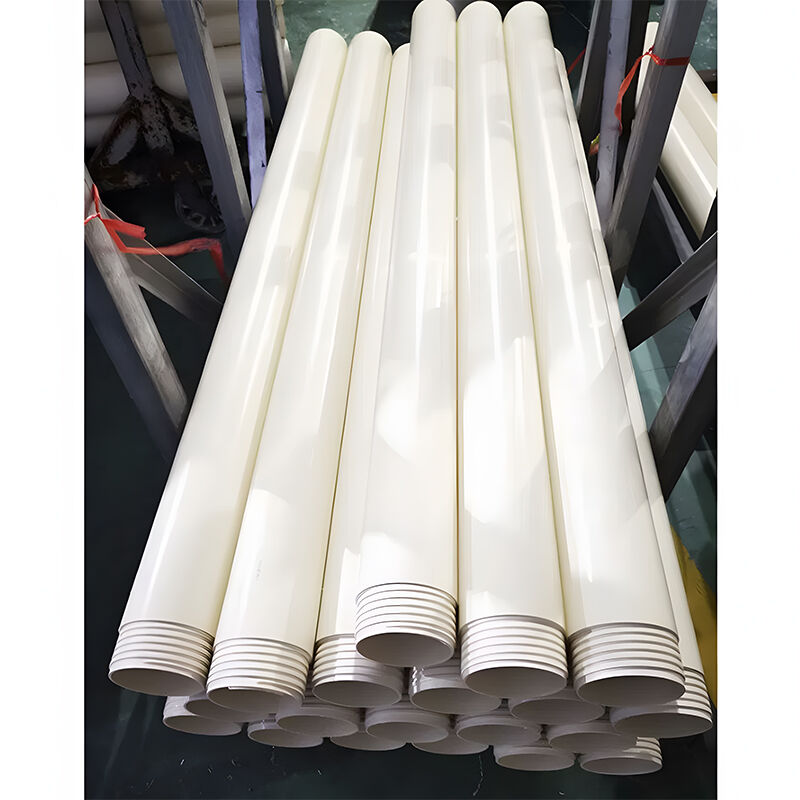
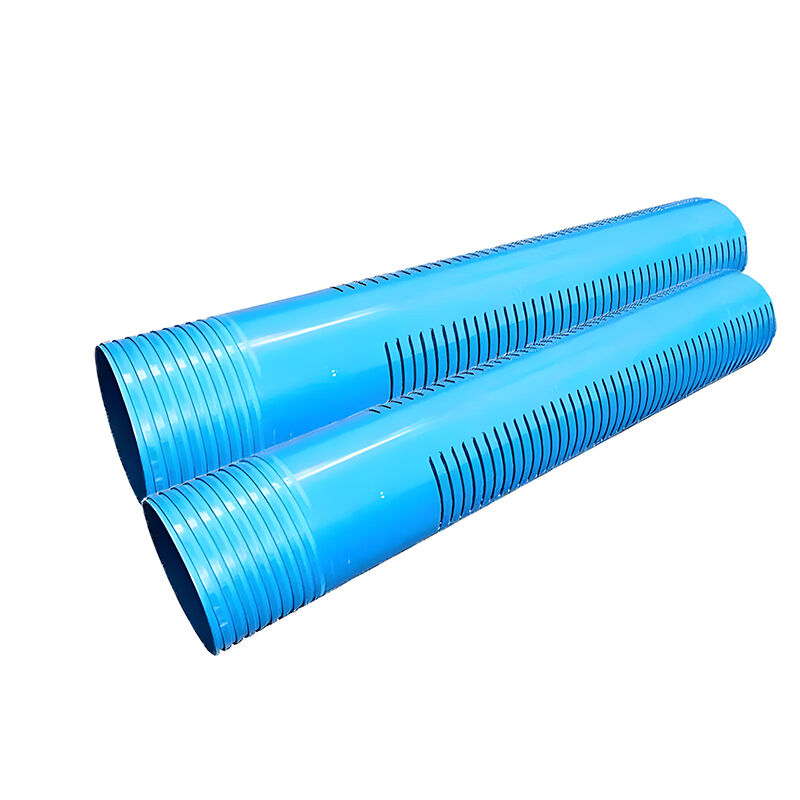
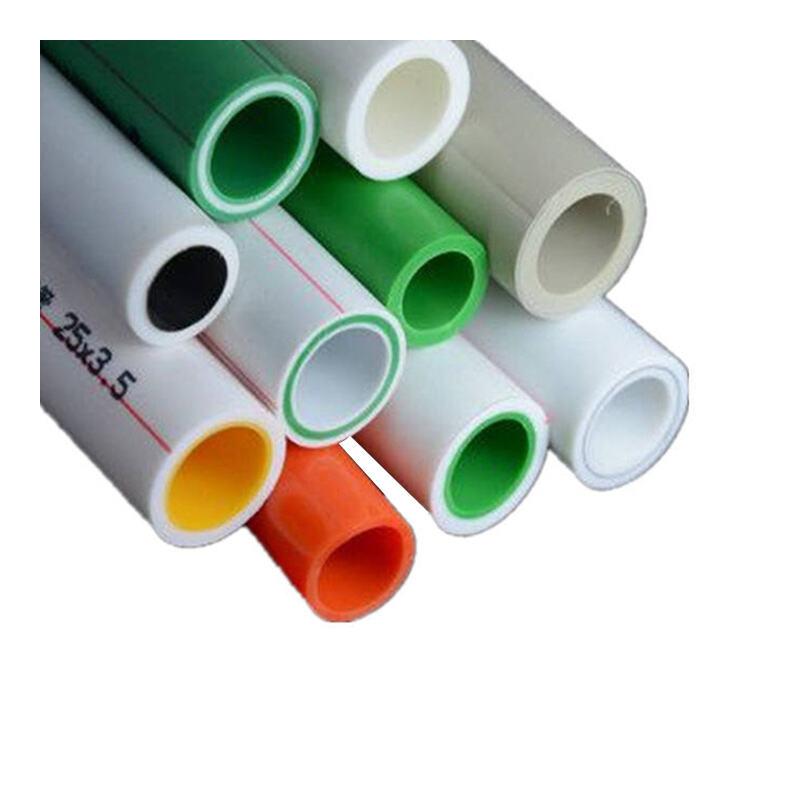
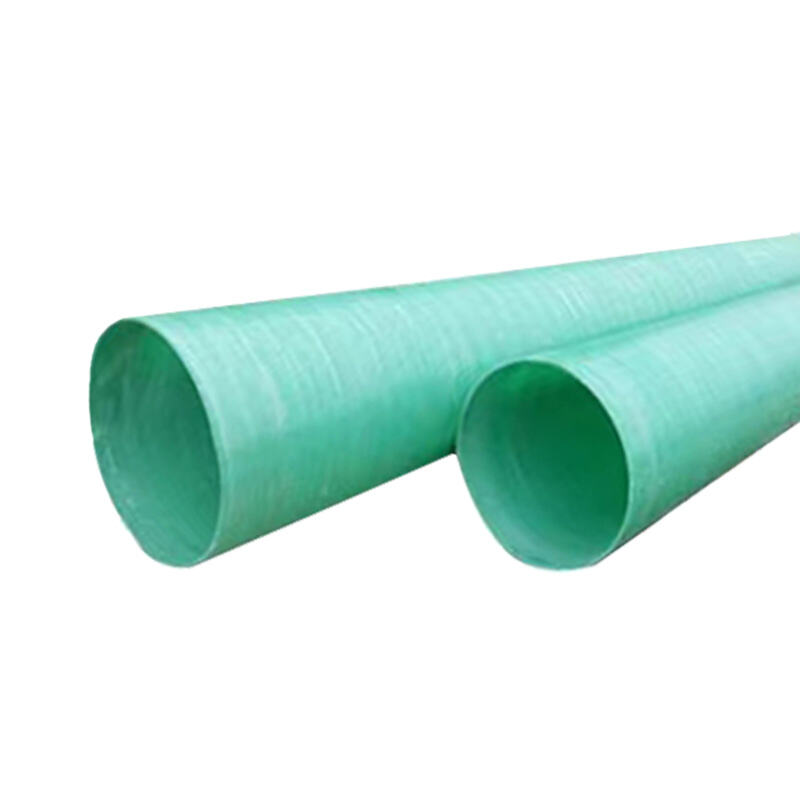
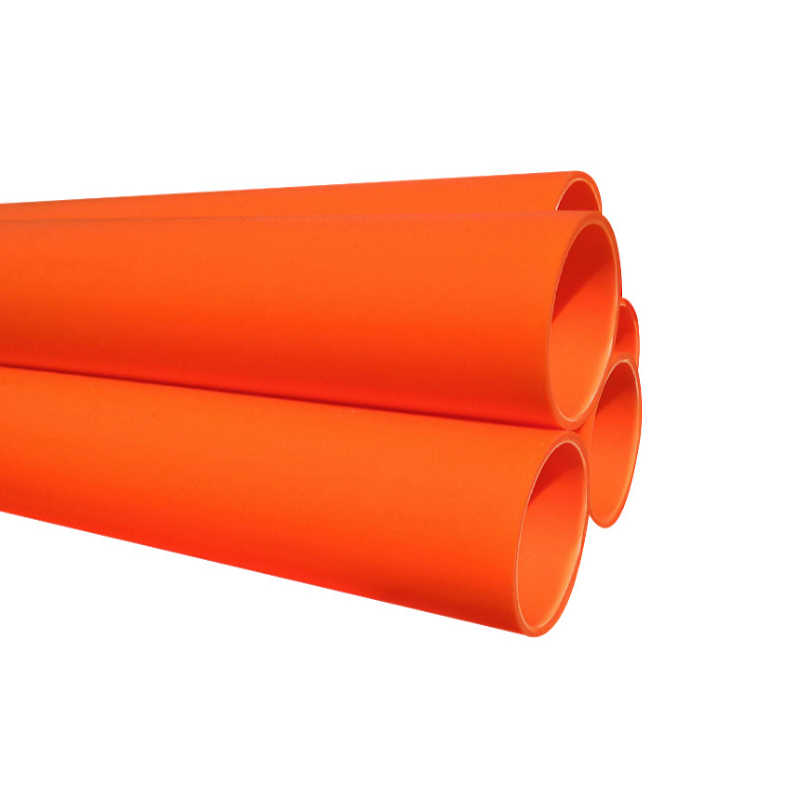
PP FRP pipe represents a revolutionary advancement in modern piping technology, combining the exceptional properties of polypropylene (PP) with fiber-reinforced plastic (FRP) construction. This innovative piping solution delivers superior performance across diverse industrial applications, making it an essential component for businesses seeking reliable and cost-effective fluid transport systems. The PP FRP pipe features a unique composite structure that integrates thermoplastic materials with reinforcing fibers, creating a product that exceeds traditional piping limitations. The main functions of PP FRP pipe include transporting corrosive chemicals, handling high-temperature fluids, managing industrial wastewater, and facilitating various manufacturing processes. These pipes excel in environments where conventional materials fail, providing consistent performance under challenging operational conditions. The technological features of PP FRP pipe encompass advanced manufacturing techniques that ensure uniform wall thickness, precise dimensional control, and exceptional structural integrity. The production process involves specialized resin systems combined with high-strength reinforcing materials, resulting in pipes that maintain their properties throughout extended service life. Key applications for PP FRP pipe span chemical processing plants, water treatment facilities, pharmaceutical manufacturing, food processing industries, and marine environments. The versatility of PP FRP pipe makes it suitable for both above-ground and underground installations, adapting to various system configurations and operational requirements. Engineers and project managers choose PP FRP pipe for critical applications because it delivers consistent results while reducing maintenance costs and system downtime. The pipe's resistance to thermal expansion, chemical degradation, and mechanical stress ensures reliable operation in demanding industrial settings. Modern PP FRP pipe systems incorporate innovative joining methods, including fusion welding and mechanical connections, providing flexibility during installation while maintaining system integrity. These technological advancements make PP FRP pipe an ideal choice for contemporary industrial infrastructure projects requiring long-term reliability and performance excellence.


New Product Recommendations

PP FRP pipe offers numerous practical advantages that make it superior to traditional piping materials in demanding applications. The corrosion resistance of PP FRP pipe stands out as its most significant benefit, protecting systems from aggressive chemicals that would quickly destroy metal pipes. This resistance translates directly into reduced replacement costs and extended system lifespan, providing substantial savings for industrial operations. The lightweight nature of PP FRP pipe simplifies installation procedures, reducing labor costs and equipment requirements during construction projects. Workers can handle larger sections easily, accelerating installation timelines and minimizing project disruptions. The smooth internal surface of PP FRP pipe maintains consistent flow characteristics throughout its service life, preventing the buildup of deposits that plague other materials. This smooth surface reduces pumping costs and maintains system efficiency, delivering ongoing operational savings. Temperature stability represents another key advantage, as PP FRP pipe performs reliably across wide temperature ranges without compromising structural integrity. This stability eliminates the need for frequent thermal expansion joints, simplifying system design and reducing potential failure points. The electrical insulation properties of PP FRP pipe provide safety benefits in applications where electrical conductivity poses risks, protecting both equipment and personnel from electrical hazards. Manufacturing precision ensures that PP FRP pipe maintains tight dimensional tolerances, enabling reliable connections and system compatibility across different pipe sections. The chemical inertness of PP FRP pipe prevents contamination of transported fluids, making it ideal for pharmaceutical, food processing, and high-purity applications where product quality is paramount. Long-term durability reduces maintenance requirements, allowing facilities to focus resources on core operations rather than constant pipe replacement and repair activities. The flexibility of PP FRP pipe accommodates ground movement and thermal cycling without cracking or failure, making it suitable for challenging installation environments. Environmental benefits include recyclability and reduced environmental impact during production compared to traditional materials. These combined advantages make PP FRP pipe an intelligent investment for facilities seeking reliable, cost-effective piping solutions that deliver consistent performance over decades of operation.

Practical Tips

Advanced Features and Maintenance Strategies for PE Steel Wire Mesh Skeleton Pipes

14

Sep

Advanced Features and Maintenance Strategies for PE Steel Wire Mesh Skeleton Pipes

View More
HDPE Pipe: Key Material for Modern Pipe Systems

18

Sep

HDPE Pipe: Key Material for Modern Pipe Systems

View More
HDPE Pipe: a solid foundation for shaping future pipe systems

18

Sep

HDPE Pipe: a solid foundation for shaping future pipe systems

View More
HDPE Pipes: The Environmental Benefits of a Sustainable Piping Material

24

Jun

HDPE Pipes: The Environmental Benefits of a Sustainable Piping Material

Discover the environmental and economic benefits of HDPE recycled materials in supporting a circular economy, with advantages in durability, low carbon footprint, and applications in municipal systems and renewable energy.
View More

Get a Free Quote

Our representative will contact you soon.
Email
Mobile
Name
Message
0/1000

pp frp pipe

Superior Chemical Resistance and Longevity

Superior Chemical Resistance and Longevity

The exceptional chemical resistance of PP FRP pipe makes it the preferred choice for industries handling aggressive chemicals and corrosive substances. This remarkable property stems from the carefully engineered combination of polypropylene resin and fiber reinforcement, creating a barrier that withstands exposure to acids, bases, salts, and organic solvents that would rapidly deteriorate conventional piping materials. The molecular structure of PP FRP pipe prevents chemical penetration, ensuring that the pipe maintains its structural integrity even after prolonged contact with harsh industrial chemicals. This resistance extends beyond surface protection, as the entire pipe wall composition resists chemical attack, eliminating the risk of sudden failure due to localized corrosion. Industries such as chemical processing, metal finishing, and wastewater treatment benefit enormously from this chemical resistance, as it eliminates the costly cycle of frequent pipe replacement that characterizes metal piping systems. The longevity advantage of PP FRP pipe translates into significant cost savings over the system lifecycle, as facilities can operate for decades without experiencing the downtime and replacement costs associated with corroded piping. Real-world applications demonstrate that PP FRP pipe systems continue functioning reliably after twenty years of service in environments where steel pipes would require replacement multiple times. The economic impact extends beyond material costs, encompassing reduced labor for replacements, eliminated system shutdowns, and decreased maintenance inventory requirements. Environmental benefits also emerge from this longevity, as fewer pipe replacements mean reduced waste generation and lower demand for raw materials. The consistent performance of PP FRP pipe under chemical stress provides engineers with confidence when designing critical systems, knowing that the piping infrastructure will support operations without unexpected failures. This reliability factor becomes particularly valuable in continuous process industries where unplanned shutdowns can result in significant financial losses and safety concerns.
Lightweight Design with Exceptional Strength

Lightweight Design with Exceptional Strength

PP FRP pipe achieves an optimal balance between lightweight construction and exceptional mechanical strength, delivering performance advantages that traditional heavy piping materials cannot match. The innovative fiber reinforcement technology embedded within the polypropylene matrix creates a composite structure that provides superior strength-to-weight ratios, enabling the pipe to withstand high internal pressures and external loads while remaining significantly lighter than steel or concrete alternatives. This weight advantage transforms installation procedures, as crews can handle longer pipe sections manually, reducing the need for heavy lifting equipment and accelerating project completion schedules. The reduced weight also minimizes structural support requirements, allowing for more economical building designs and reduced foundation costs in new construction projects. Transportation benefits emerge from the lightweight properties, as more PP FRP pipe can be shipped per load, reducing freight costs and environmental impact associated with material delivery. Despite its lightweight nature, PP FRP pipe maintains impressive mechanical properties, including high tensile strength, excellent impact resistance, and superior fatigue performance under cyclic loading conditions. The fiber reinforcement system distributes stress evenly throughout the pipe wall, preventing crack propagation and ensuring reliable performance under varying load conditions. Installation crews appreciate the ergonomic benefits of working with lightweight PP FRP pipe, as reduced physical strain leads to improved safety conditions and higher productivity levels on construction sites. The combination of light weight and high strength makes PP FRP pipe particularly valuable in applications where traditional materials would require extensive support structures, such as elevated process piping and long-span installations. Engineering calculations for PP FRP pipe systems often reveal significant savings in structural steel requirements compared to heavy piping alternatives. The material efficiency achieved through this strength-to-weight optimization represents a fundamental advantage that influences every aspect of system design, installation, and long-term operation, making PP FRP pipe an intelligent choice for modern industrial infrastructure projects.
Smooth Flow Characteristics and Energy Efficiency

Smooth Flow Characteristics and Energy Efficiency

The exceptionally smooth internal surface of PP FRP pipe creates optimal flow characteristics that deliver substantial energy savings and operational benefits throughout the system's service life. This smoothness results from the manufacturing process, which produces a uniform interior finish with minimal surface roughness, eliminating the flow restrictions and turbulence that characterize rougher piping materials. The hydraulic advantages of smooth PP FRP pipe surfaces translate directly into reduced pumping energy requirements, as fluids encounter minimal friction resistance while moving through the system. Engineering calculations demonstrate that the smooth surface of PP FRP pipe can reduce pumping costs by fifteen to twenty-five percent compared to rougher alternatives, creating significant operational savings over the system's lifetime. The sustained smoothness represents a crucial advantage, as PP FRP pipe maintains its optimal flow characteristics throughout decades of service, while other materials may develop scale buildup, corrosion products, or biofilm formation that progressively restrict flow capacity. Industries processing viscous fluids particularly benefit from the smooth bore of PP FRP pipe, as reduced wall friction enables more efficient transport of challenging materials such as polymers, adhesives, and food products. The consistent internal diameter of PP FRP pipe ensures predictable hydraulic performance, enabling precise system calculations and optimal equipment sizing during the design phase. Flow modeling studies reveal that the smooth surface characteristics of PP FRP pipe support laminar flow conditions across wider velocity ranges, reducing turbulence-induced wear and extending system component life. Maintenance advantages emerge from the smooth surface properties, as cleaning operations become more effective and less frequent, reducing operational disruptions and chemical consumption for system cleaning. The energy efficiency benefits extend beyond direct pumping costs to encompass reduced wear on pumps, valves, and other system components, as smooth flow conditions minimize cavitation and mechanical stress throughout the piping network. Environmental benefits include reduced energy consumption and lower carbon footprint associated with fluid transport operations, supporting sustainability goals while delivering economic advantages to facility operators.
Inquiry PP FRP Pipe Solutions: Superior Chemical Resistance and Lightweight Strength for Industrial Applications Inquiry PP FRP Pipe Solutions: Superior Chemical Resistance and Lightweight Strength for Industrial Applications PP FRP Pipe Solutions: Superior Chemical Resistance and Lightweight Strength for Industrial Applications PP FRP Pipe Solutions: Superior Chemical Resistance and Lightweight Strength for Industrial Applications
Write down your question

We are not only a product manufacturer, but also a solution provider. Whether you have questions or quotation requests, we will help you.

Get a Quote

Contact Us

Your email address will not be published. Required fields are marked *
Email
Name
Mobile
Message
0/1000