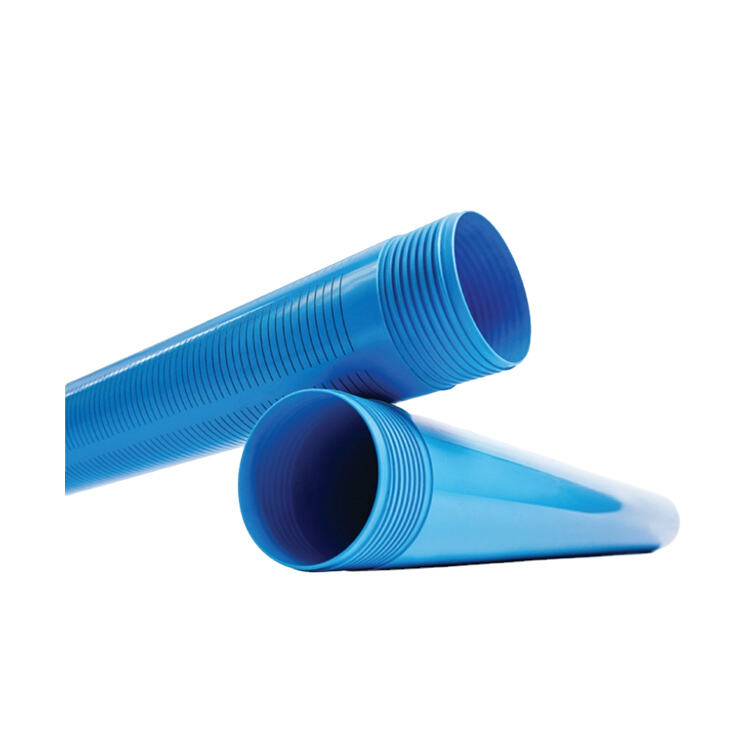
pvc pipe drainage
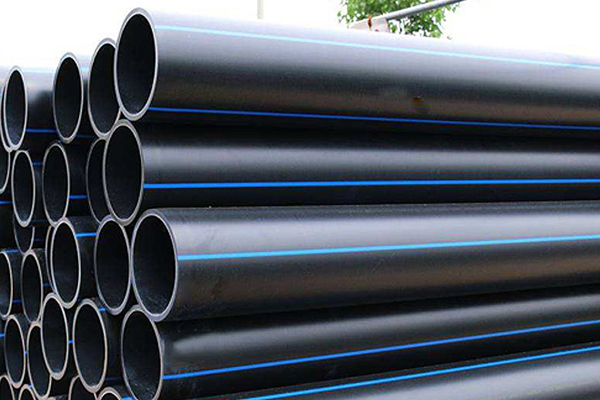
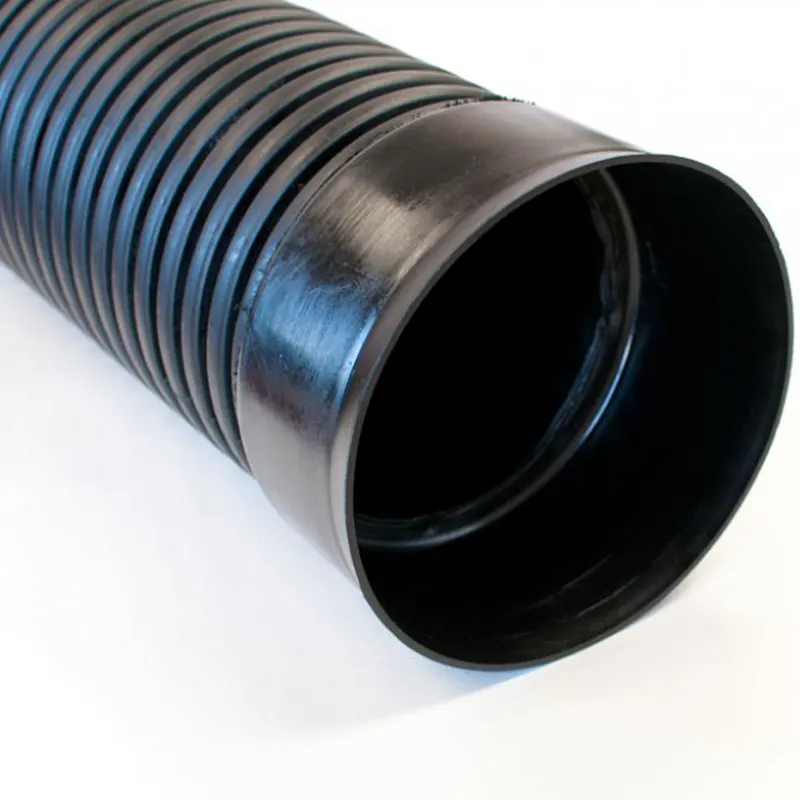
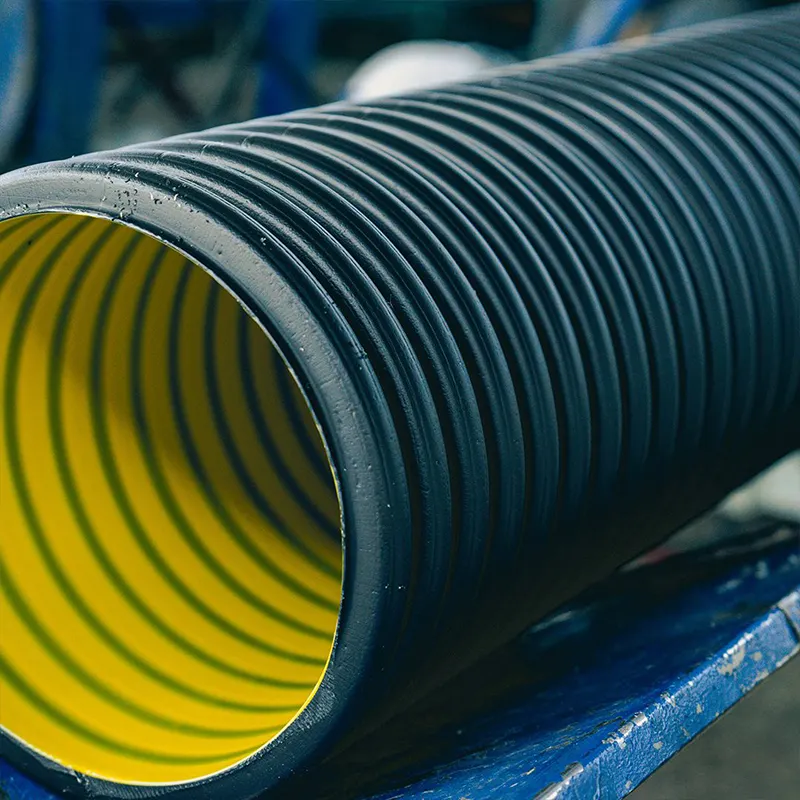
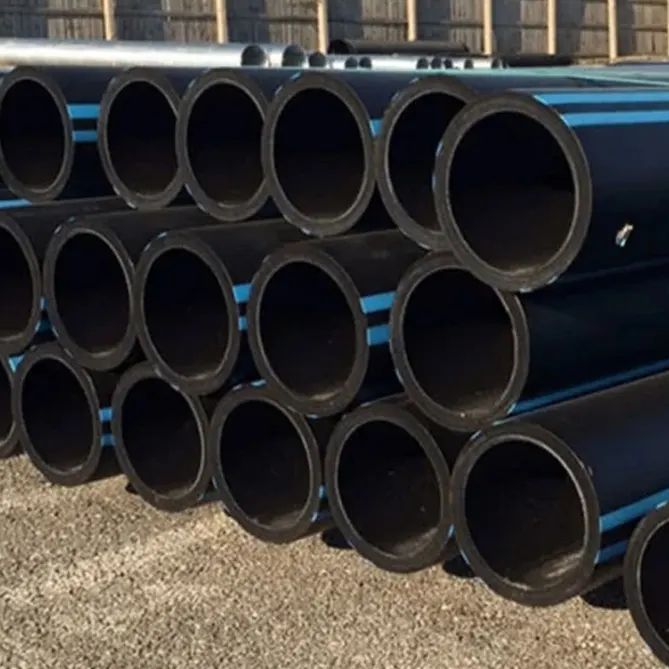
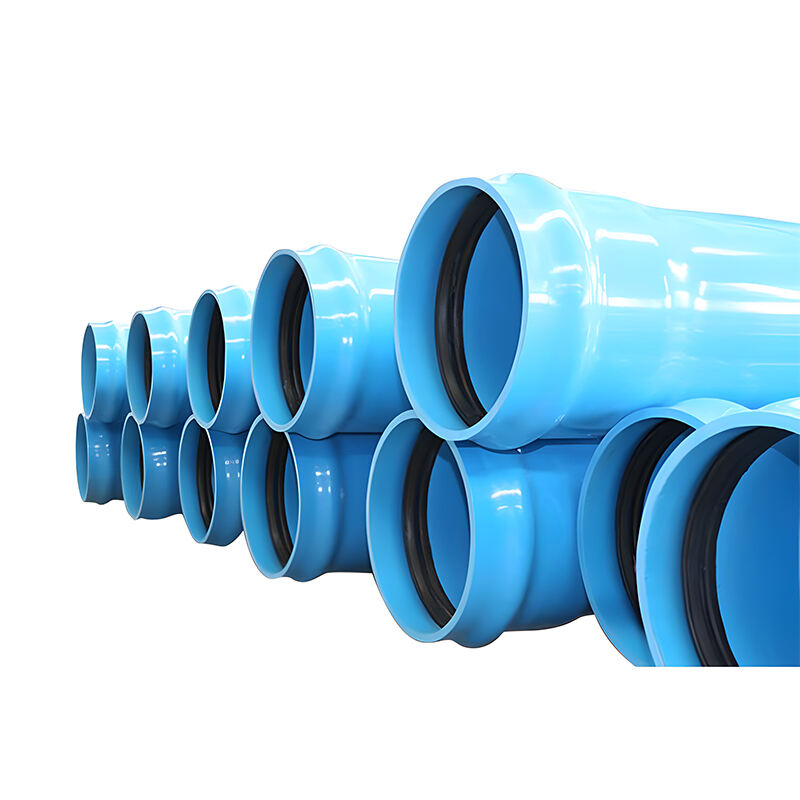
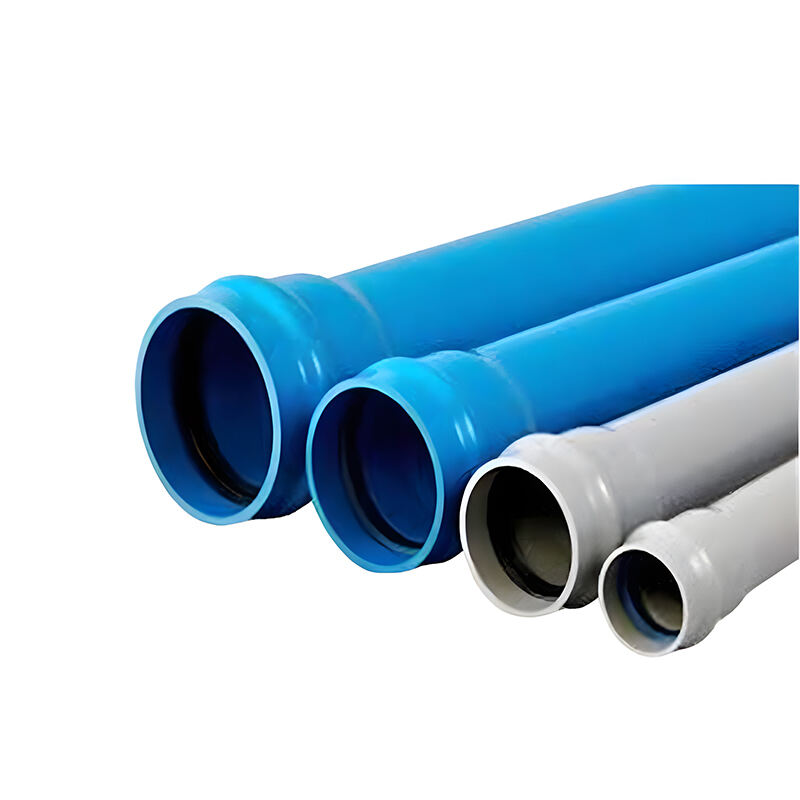
PVC pipe drainage systems represent a cornerstone of modern plumbing infrastructure, delivering reliable water management solutions for residential, commercial, and industrial applications. These polyvinyl chloride pipes excel in channeling wastewater, stormwater, and sewage from buildings to treatment facilities or disposal points. The primary function of PVC pipe drainage involves creating efficient pathways that prevent water accumulation, protect structures from moisture damage, and maintain sanitary conditions. The technological foundation of PVC pipe drainage stems from advanced polymer chemistry that produces lightweight yet durable conduits resistant to corrosion, chemicals, and environmental stresses. Manufacturing processes involve precision extrusion techniques that ensure consistent wall thickness and diameter specifications across various pipe sizes. The smooth interior surface of PVC pipe drainage minimizes friction losses, enabling optimal flow rates while reducing energy requirements for pumping systems. These pipes incorporate bell-and-spigot joints or solvent-welded connections that create leak-proof assemblies capable of withstanding significant hydraulic pressures. The applications of PVC pipe drainage span numerous sectors including municipal sewerage networks, residential plumbing systems, agricultural irrigation, industrial waste management, and stormwater collection infrastructure. Building codes worldwide recognize PVC pipe drainage as acceptable materials for gravity-fed and pressurized drainage applications. The versatility extends to underground installations where PVC pipe drainage maintains structural integrity despite soil loads and temperature fluctuations. Environmental considerations favor PVC pipe drainage due to recyclability and lower carbon footprint compared to traditional materials. Installation flexibility allows PVC pipe drainage to accommodate complex routing requirements while maintaining system performance standards.