Cost-Effective Installation and Maintenance Benefits
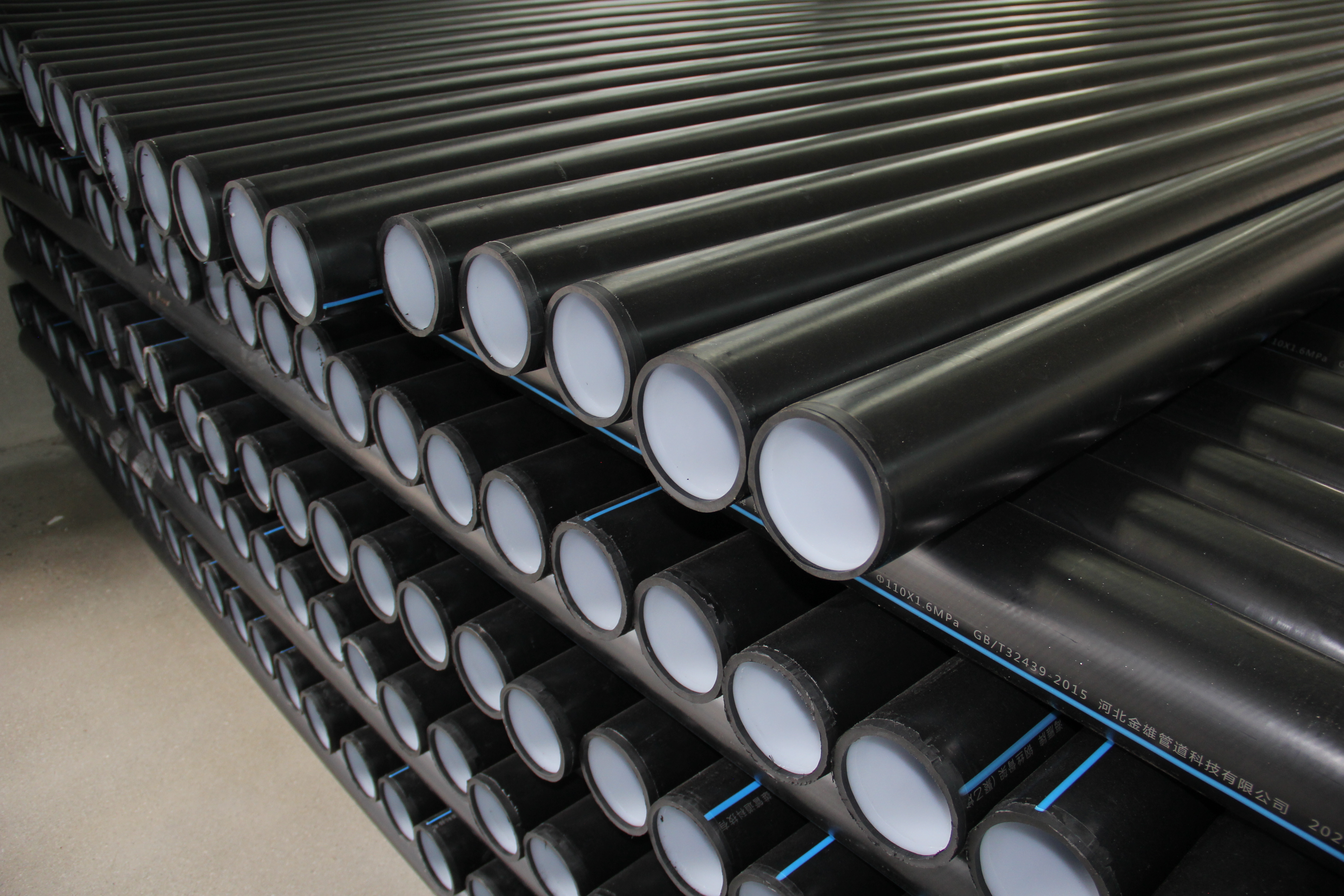
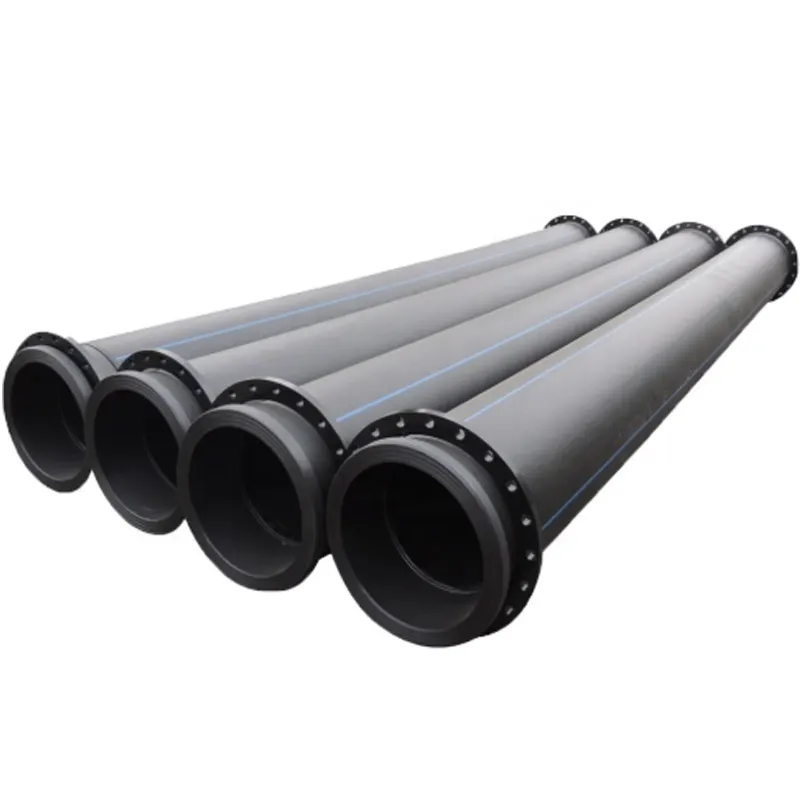
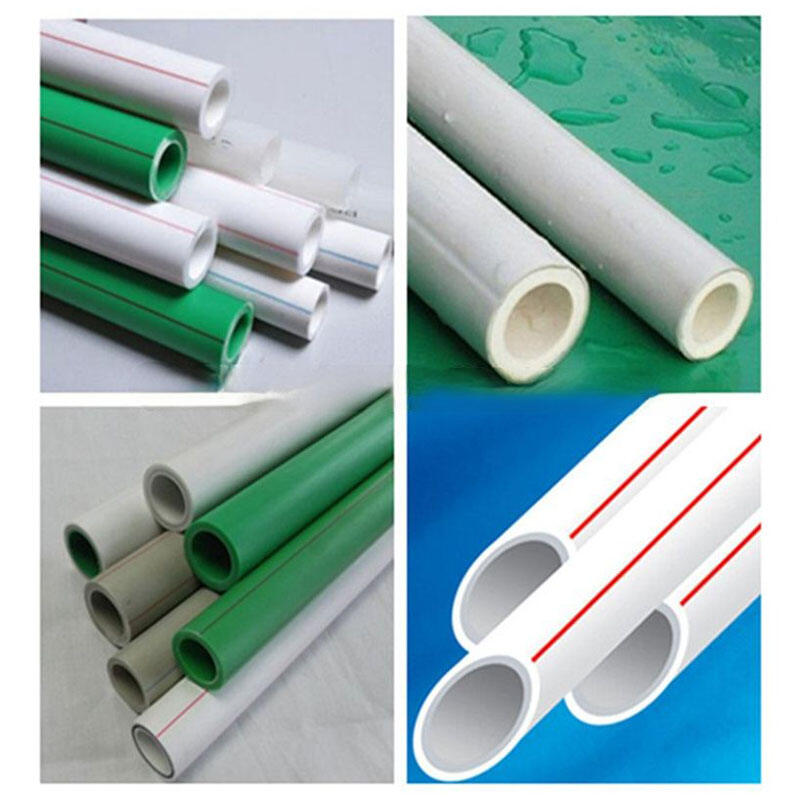
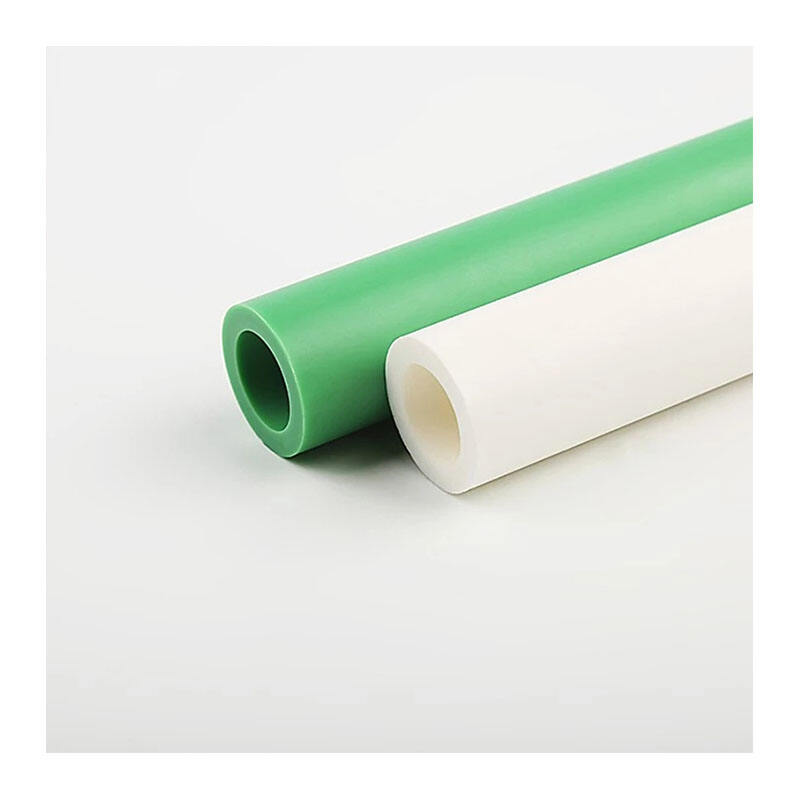
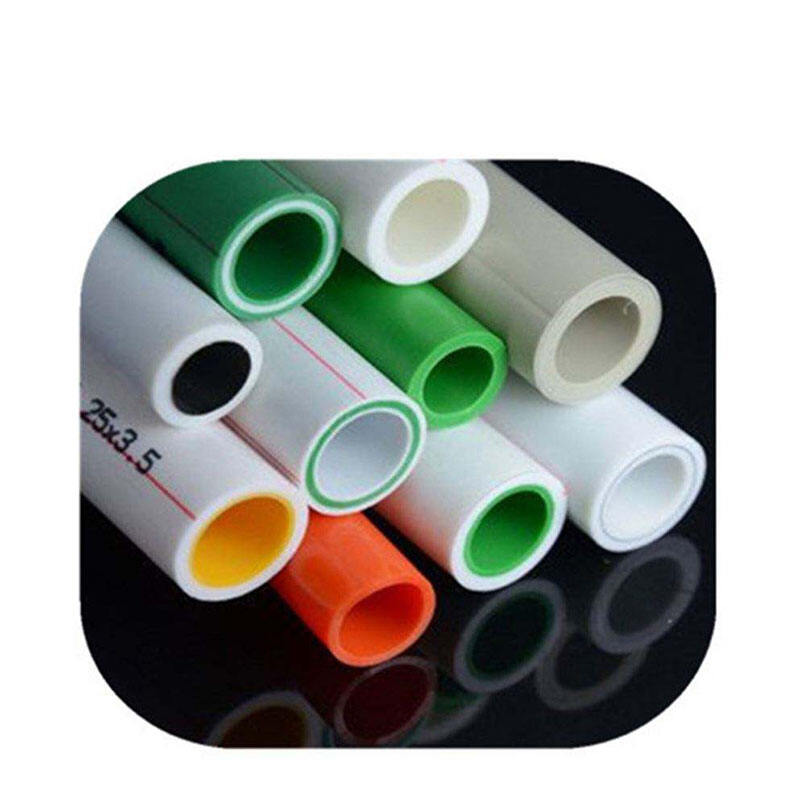
PPR pipe for drinking water delivers outstanding cost-effectiveness through simplified installation procedures, reduced labor requirements, and minimal maintenance needs over its extended service life. The heat fusion joining method eliminates the need for expensive fittings, gaskets, or chemical adhesives required by other piping systems, significantly reducing material costs and inventory requirements. Installation teams can complete PPR pipe for drinking water projects faster than traditional systems because the welding process creates immediate, permanent joints without curing time or secondary operations. The lightweight nature of PPR pipe for drinking water, approximately one-seventh the weight of steel pipes, reduces transportation costs, eliminates the need for heavy lifting equipment, and allows smaller installation crews to handle large-diameter pipes safely. Training requirements for installers are minimal, as the fusion welding technique can be mastered quickly using portable, affordable equipment that costs significantly less than specialized tools required for other piping systems. The flexibility of PPR pipe for drinking water reduces the number of fittings needed in complex routing situations, as pipes can bend around obstacles and accommodate direction changes with fewer joints. Long-term maintenance costs approach zero because PPR pipe for drinking water does not corrode, scale, or degrade, eliminating the periodic replacement cycles required with metal pipes. The smooth interior surface maintains consistent flow characteristics throughout the system's life, preventing efficiency losses and pressure drops that increase pumping costs in metal pipe systems. Energy savings result from the excellent thermal insulation properties of PPR pipe for drinking water, which reduce heat loss in hot water distribution systems and prevent condensation-related issues in cold water applications. Repair procedures, when necessary, use the same simple fusion welding technique as original installation, allowing for quick fixes without system drainage or extensive excavation. The chemical resistance of PPR pipe for drinking water eliminates the need for cathodic protection systems, chemical treatments, or protective coatings required by metal pipes, further reducing lifecycle costs and maintenance complexity.