Exceptional Chemical Resistance and Environmental Durability
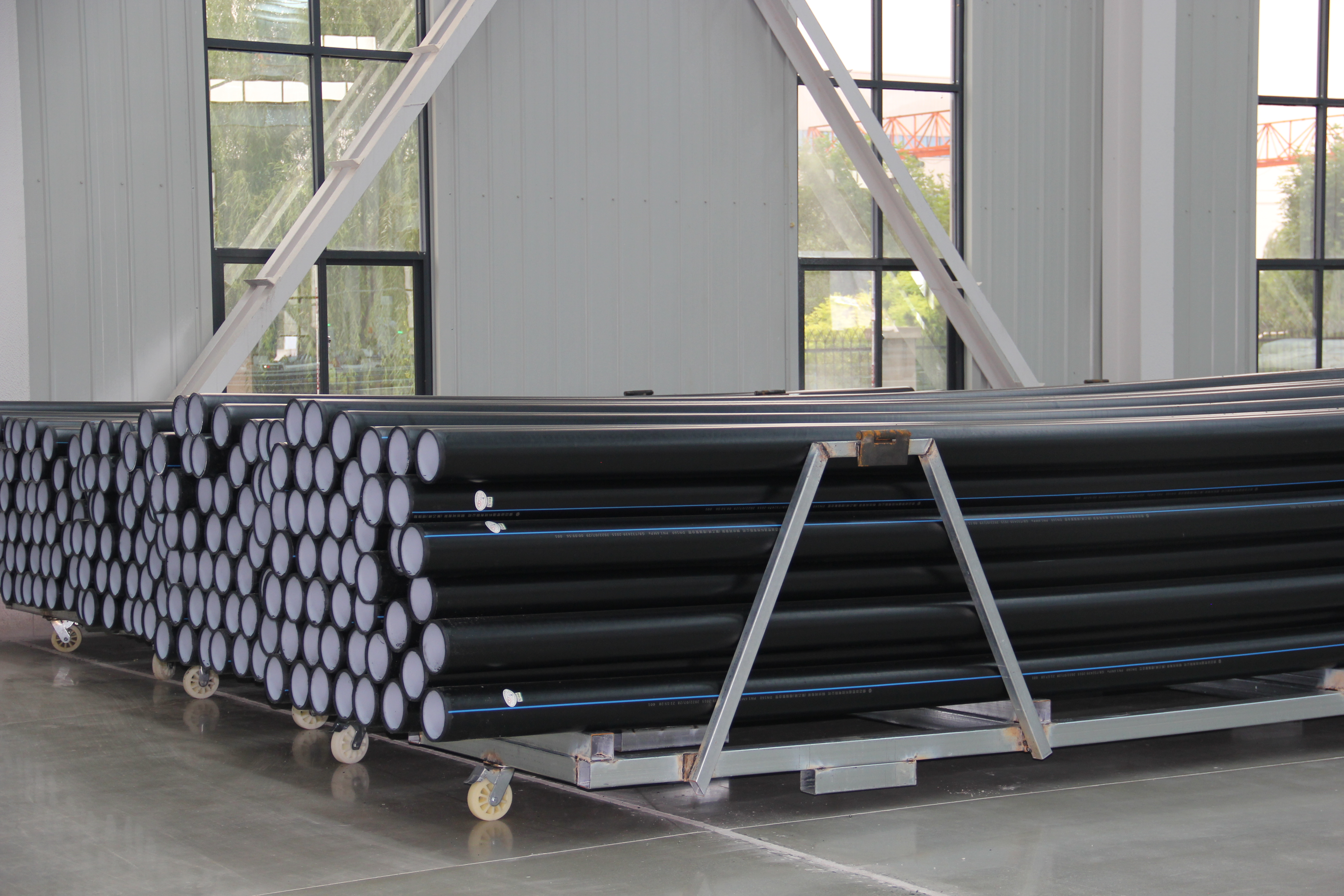
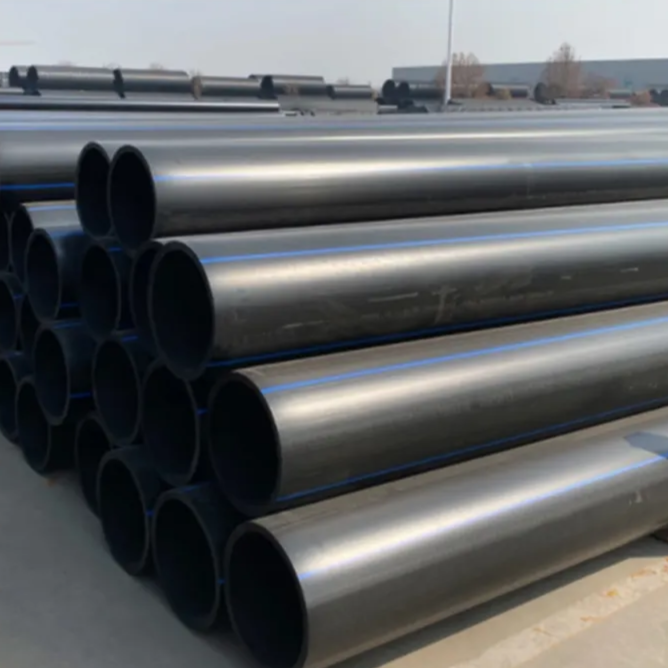
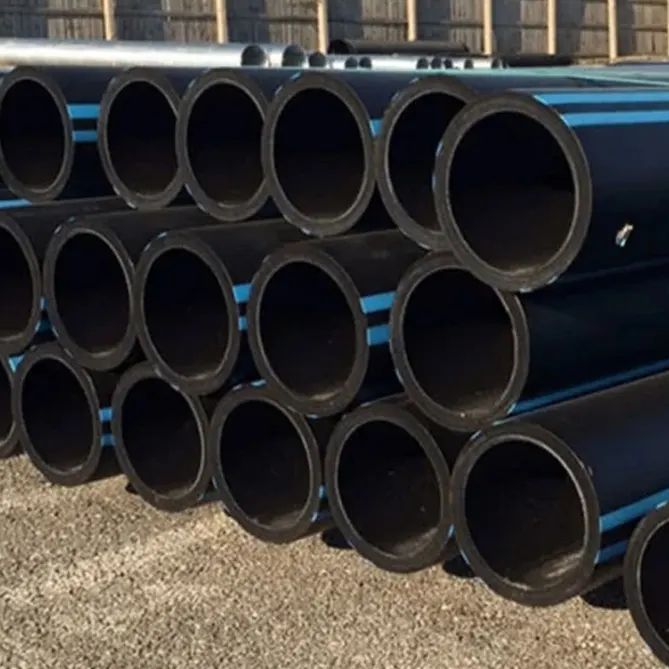
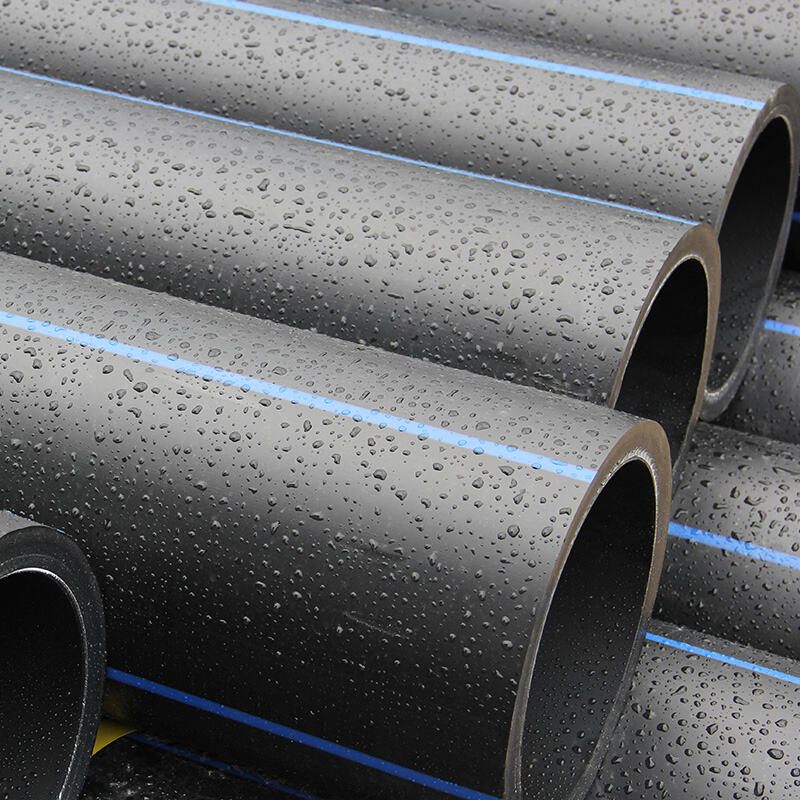
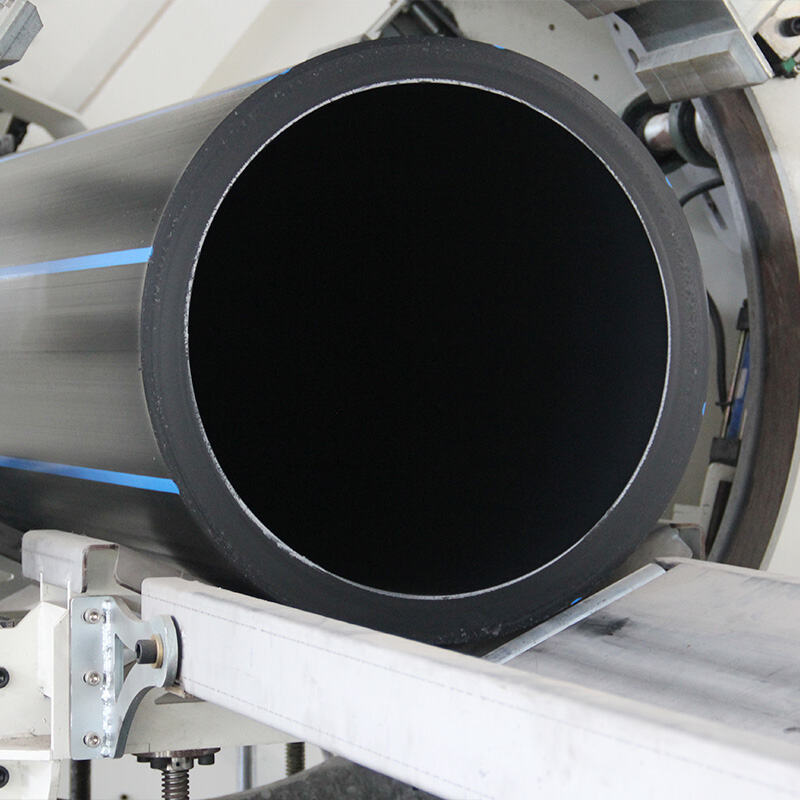
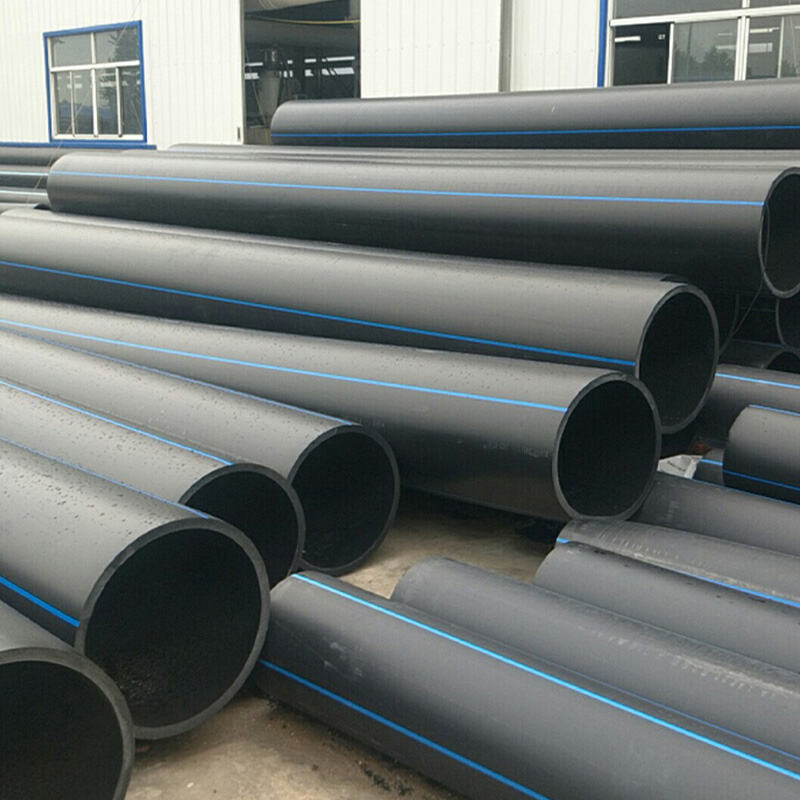
The outstanding chemical resistance properties of double walled HDPE pipe stem from the inherent characteristics of high-density polyethylene material, which provides unparalleled protection against a wide spectrum of aggressive chemicals, acids, bases, and organic compounds. This comprehensive chemical compatibility makes double walled HDPE pipe the preferred choice for industrial applications where exposure to harsh chemicals could rapidly degrade alternative piping materials. The molecular structure of HDPE creates a barrier that prevents chemical penetration and subsequent material degradation, ensuring that the pipe maintains its structural integrity and performance characteristics even after decades of exposure to challenging environments. Unlike metallic alternatives that suffer from corrosion, scaling, and electrochemical reactions, the double walled HDPE pipe remains chemically inert, preventing contamination of transported fluids and maintaining system purity. This chemical stability eliminates the need for expensive internal linings, protective coatings, or chemical inhibitor programs that add significant costs to traditional piping systems. Environmental durability extends beyond chemical resistance to include exceptional performance under extreme temperature variations, ultraviolet radiation exposure, and harsh weather conditions. The double walled HDPE pipe maintains its flexibility and strength across a wide temperature range, from sub-zero conditions to elevated operating temperatures, without experiencing brittleness or thermal degradation. The material's resistance to environmental stress cracking ensures long-term reliability in applications where thermal cycling or mechanical stress could compromise inferior materials. Biological resistance represents another crucial advantage, as the smooth interior surface of double walled HDPE pipe resists biofilm formation and bacterial growth that can plague other piping materials. This biological inertness maintains flow capacity over time and reduces maintenance requirements associated with cleaning and sterilization procedures. The UV stabilization inherent in quality HDPE formulations protects above-ground installations from solar degradation, extending service life and maintaining structural properties even in exposed applications.