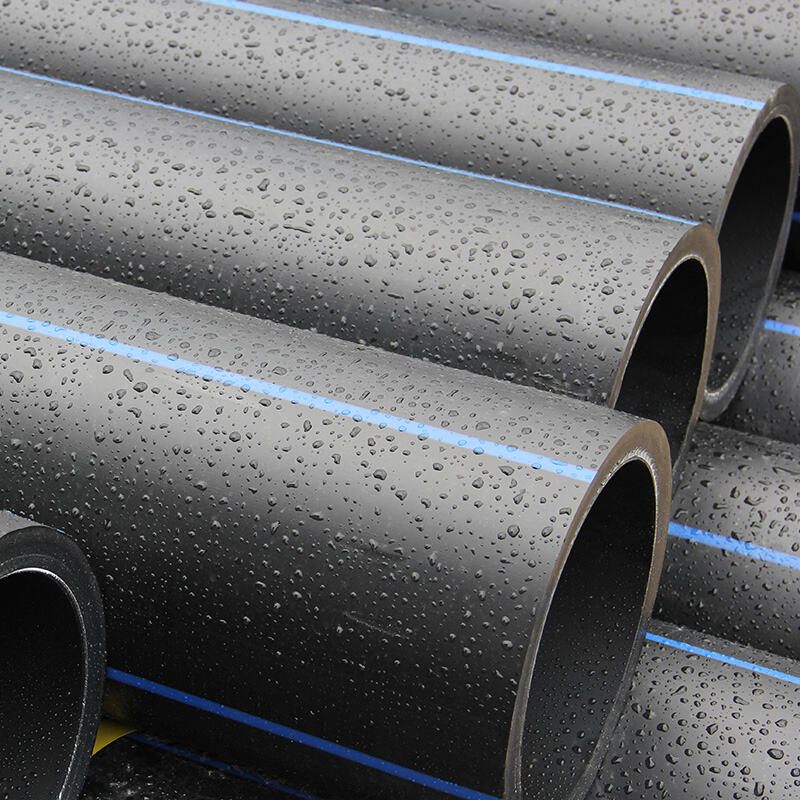
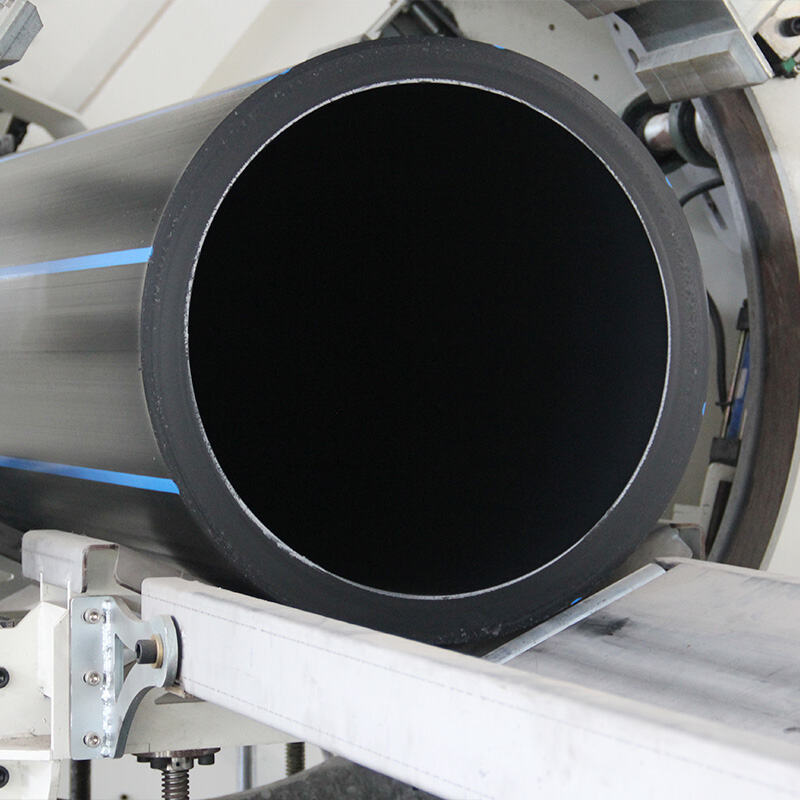
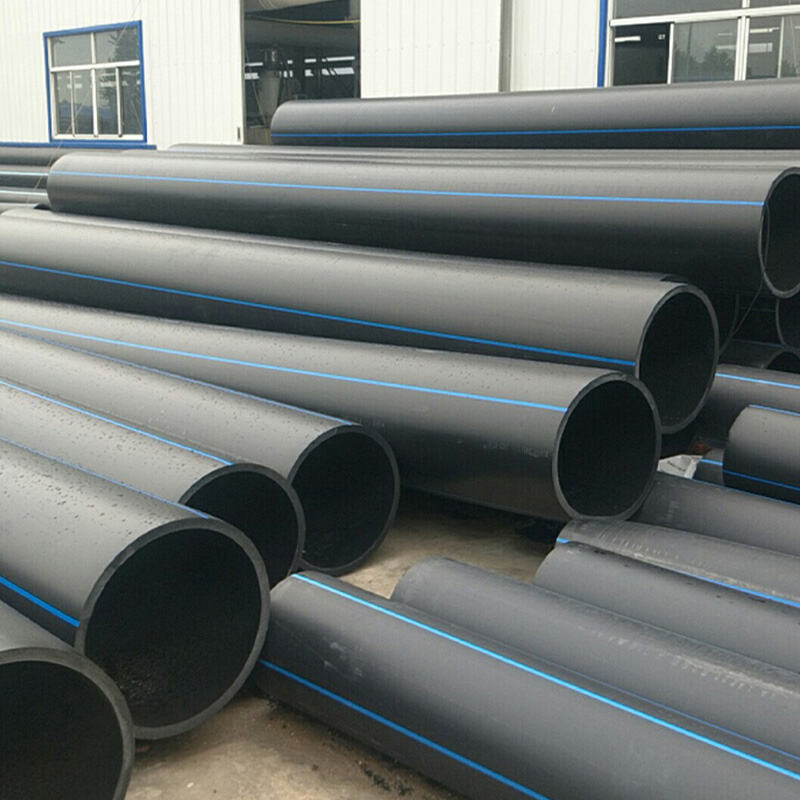
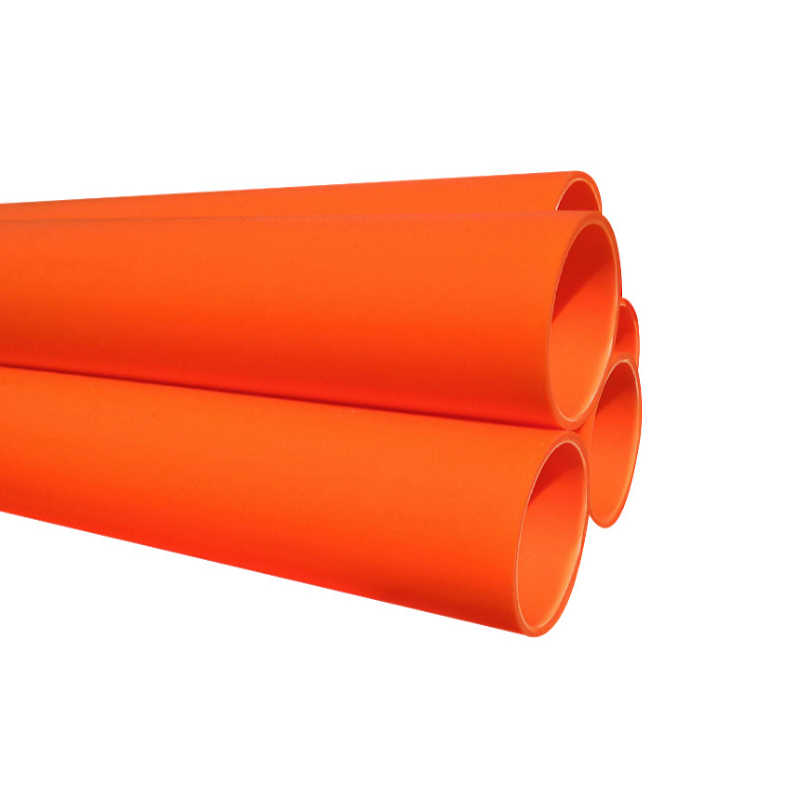
drainage hdpe pipe
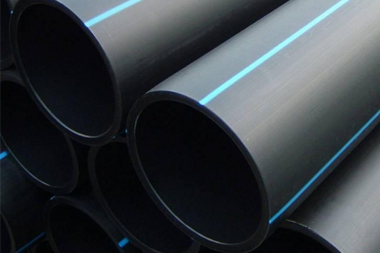
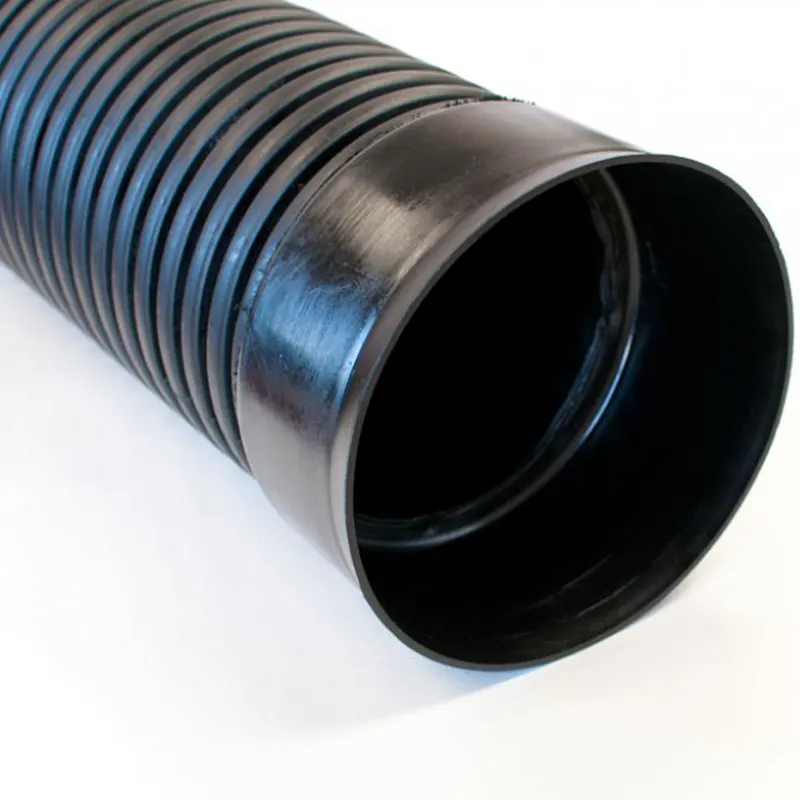
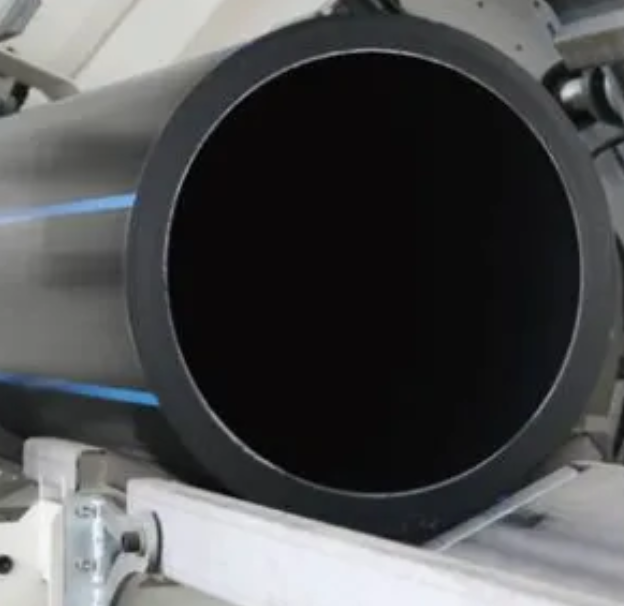
Drainage HDPE pipe represents a revolutionary solution in modern water management systems, engineered from high-density polyethylene materials that deliver exceptional performance across diverse applications. These specialized pipes serve as the backbone of effective drainage infrastructure, designed to efficiently transport wastewater, stormwater, and other fluids while maintaining structural integrity under challenging conditions. The primary function of drainage HDPE pipe systems focuses on creating reliable pathways for water evacuation, preventing flooding, and protecting property foundations from moisture damage. Technological features of drainage HDPE pipe include advanced polymer composition that provides superior chemical resistance, UV stability, and long-term durability. The manufacturing process incorporates precision extrusion techniques that ensure consistent wall thickness and optimal flow characteristics. These pipes feature smooth interior surfaces that minimize friction loss and reduce the likelihood of blockages, while their flexible nature allows for easy installation around obstacles and through varying terrain conditions. The corrugated exterior design of many drainage HDPE pipe variants provides enhanced ring stiffness and load-bearing capacity, making them suitable for both shallow and deep burial applications. Applications for drainage HDPE pipe span residential, commercial, and industrial sectors, including foundation drainage, agricultural field drainage, roadway culverts, septic system effluent lines, and municipal storm sewer networks. The versatility of drainage HDPE pipe makes it an ideal choice for landscaping projects, golf course drainage, airport runway systems, and landfill leachate collection. These pipes excel in environments where traditional materials might fail, offering reliable performance in acidic soils, high groundwater conditions, and areas subject to frequent freeze-thaw cycles. The lightweight nature of drainage HDPE pipe facilitates rapid installation while reducing transportation costs and labor requirements compared to conventional concrete or metal alternatives.